2026 Top Trends in Automatic Packaging Machine Technology for Efficiency?
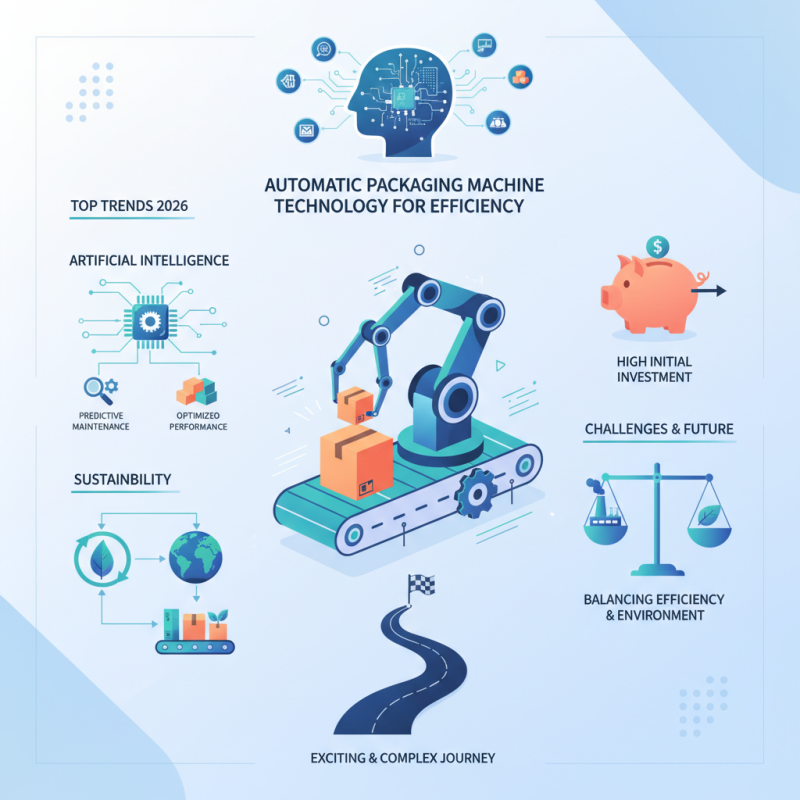
The landscape of packaging technology is evolving rapidly. In 2026, automatic packaging machines will be at the forefront of this transformation. These machines streamline operations, increase production speed, and reduce labor costs. Innovations will make them smarter and more efficient.
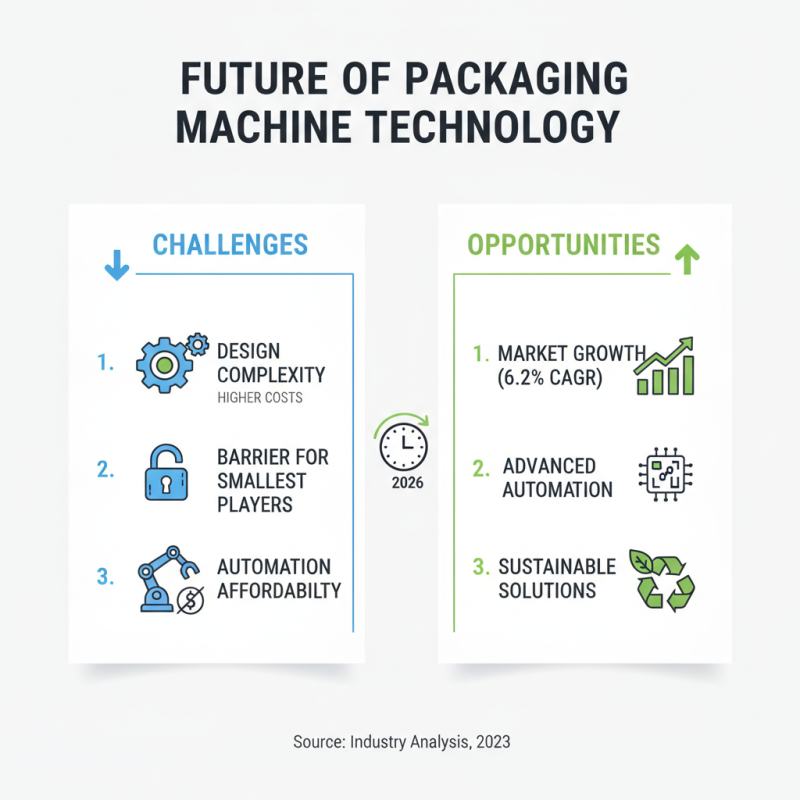
One notable trend is the integration of artificial intelligence. AI-driven systems can predict maintenance needs and optimize performance. They can adapt to various product types too. Yet, some challenges remain. Companies may struggle with the high initial investment for these technologies.
Sustainability is another key focus. Many manufacturers are exploring eco-friendly materials and processes. Automatic packaging machines must evolve to support these initiatives. There is still much work to do in balancing efficiency with environmental responsibility. As we approach 2026, the journey for automatic packaging machines is both exciting and complex.
Emerging Technologies in Automatic Packaging Machines for 2026
The landscape of automatic packaging machines is evolving rapidly as we approach 2026. Emerging technologies are driving efficiency and innovation in this sector. For instance, machine learning algorithms are being adopted to optimize packaging processes. These intelligent systems can analyze data in real-time, making adjustments to improve throughput.
Another trend is the use of sustainable materials in packaging machines. Biodegradable films and recyclable materials are gaining traction. This shift aims to meet growing consumer demand for eco-friendly options. However, integrating these materials poses challenges. Companies must reengineer their equipment to handle different properties.
Moreover, automation continues to advance. Robotics is increasingly enabling faster and more precise packaging. Yet, the reliance on technology raises questions about workforce impact and job displacement. Regular assessments of these advancements are necessary to ensure a balanced approach that doesn't overlook human factors.
Key Features Enhancing Efficiency in Packaging Automation
In recent years, automatic packaging machine technology has evolved significantly. These innovations focus on enhancing efficiency. Key features include improved speed, precision, and adaptability. Modern machines now operate faster, reducing downtime during production. This increase in speed often comes at a price; manufacturers must consider the balance between speed and quality.
Smart sensors are now common in packaging machines. They monitor product integrity and detect errors in real-time. This feature helps in minimizing waste. However, relying solely on these sensors can lead to issues if they malfunction. It is essential to have human oversight, ensuring smooth operations.
Tips: Regularly train staff on machine maintenance. A well-informed team can better prevent downtime. Additionally, consider software upgrades. They can enhance machine capabilities, but be cautious of compatibility issues. Overall, efficient automation is vital, but reflection on potential flaws is equally necessary.
2026 Trends in Automatic Packaging Machine Technology for Efficiency
Sustainability Trends Impacting Packaging Machine Development
As the world shifts towards sustainability, packaging machines must evolve. Manufacturers are exploring eco-friendly materials. Many are prioritizing energy efficiency in their designs. This reduces waste and lowers operational costs. However, achieving true sustainability is complex.
Biodegradable and recyclable materials are on the rise. Yet, integrating these materials into existing systems remains a challenge. There’s also a need for better waste management processes. Some companies may struggle with proper disposal methods. This inconsistency undermines the commitment to sustainability.
Developing flexible packaging solutions can help. These innovations allow for efficient use of resources. Automated systems that adapt to varying materials minimize waste. However, not all companies can implement these changes. A lack of technical knowledge can hinder progress. Emphasizing education and training may be essential for success.
Integration of AI and Robotics in Automatic Packaging Solutions
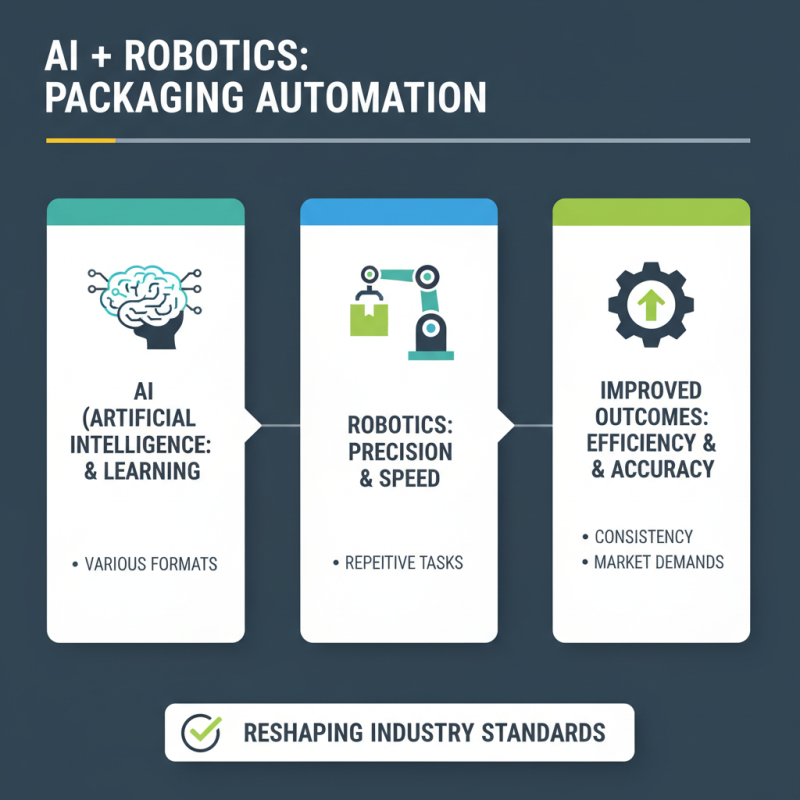
The integration of AI and robotics in automatic packaging solutions is reshaping the industry. These technologies improve efficiency and accuracy significantly. Robots perform repetitive tasks with unmatched precision. They can adapt to various packaging formats easily. Speed and consistency are vital in today's market, and automation meets these demands.
However, the transition to automated systems poses challenges. Many companies struggle with the high initial costs. Training staff to operate new technologies is another hurdle. Additionally, not all products fit the robotic systems seamlessly. Some packaging processes may still require human oversight.
Despite these issues, the future looks promising. AI can analyze data to optimize workflows continuously. Robotics can take on labor-intensive tasks, freeing up human workers for complex duties. The goal is not to replace humans but to enhance productivity. Collaboration between humans and machines could lead to unprecedented efficiency in packaging.