Top Benefits of Industrial Vacuum Packing Machine for Business?
In today's competitive landscape, businesses increasingly rely on efficiency and preservation. An industrial vacuum packing machine offers significant advantages in this regard. According to recent industry reports, vacuum packaging can extend product shelf life by up to 500%. This is crucial for sectors like food, pharmaceuticals, and electronics, where product integrity is paramount.
Efficiency is not just about saving time; it also involves resource management. The use of an industrial vacuum packing machine can reduce material waste. Studies show that businesses adopting this technology can see a reduction in packaging costs by nearly 30%. The growth of e-commerce further highlights the need for effective packaging solutions to enhance customer satisfaction.
However, reliance on automation can raise debates about the human touch in packaging. The balance between efficiency and artisanal quality remains a point of reflection for many operators. Embracing technology while ensuring product authenticity is an ongoing challenge. Businesses must weigh these factors as they integrate industrial vacuum packing machines into their operations.
Benefits of Enhanced Product Preservation with Vacuum Packing Machines
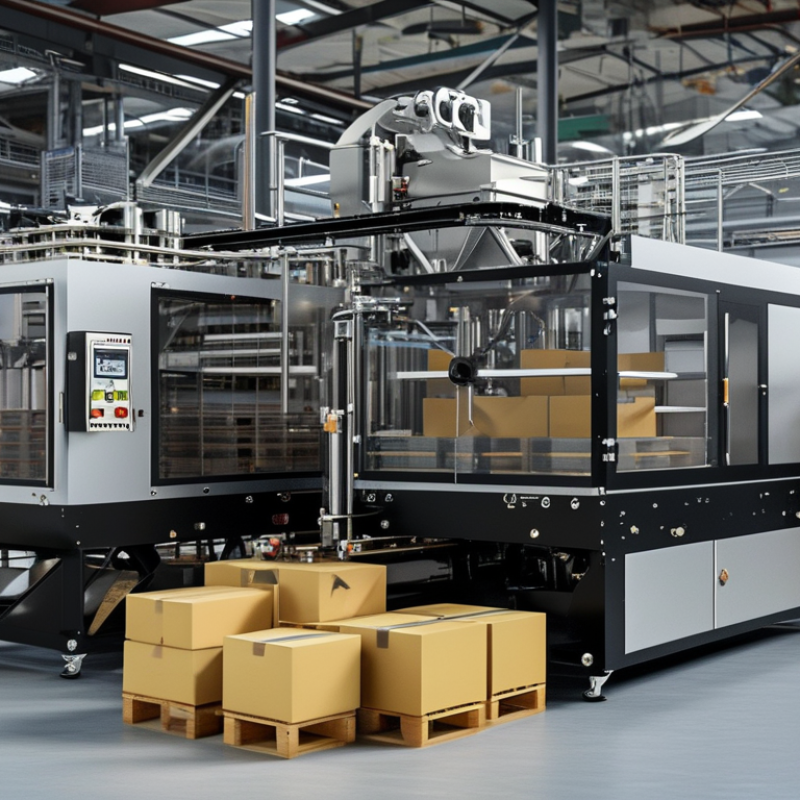
Vacuum packing machines offer significant advantages for enhancing product preservation across various industries. They create airtight seals that prevent air, moisture, and contaminants from degrading the quality of products. This technology is especially beneficial for food items, which can spoil quickly. Without proper packaging, perishables may lose flavor and nutritional value within days. With vacuum packing, businesses can extend shelf life considerably.
Moreover, vacuum packing helps in maintaining the texture and aroma of products. Consider the impact on meat products. Unpacked meat can dry out and lose its juiciness. When vacuum sealed, it retains moisture and flavor, making it more appealing to consumers. Additionally, vacuum packing reduces the risk of freezer burn, preserving product quality even when stored long-term.
However, businesses must understand that vacuum packing is not a cure-all. Proper storage conditions are still essential. If the sealed products are not stored correctly, they can still spoil. Additionally, some products may not perform well with this method. Finding the balance between vacuum packing and other preservation methods can be a critical aspect of product management.
Top Benefits of Industrial Vacuum Packing Machine for Business
| Benefit |
Description |
Impact on Business |
| Enhanced Shelf Life |
Removes air to prevent oxidation and microbial growth. |
Reduces spoilage and waste, increasing profitability. |
| Improved Product Quality |
Maintains flavor, texture, and aroma for a better customer experience. |
Enhances brand reputation and customer loyalty. |
| Cost Efficiency |
Reduces the need for preservatives and extends product life. |
Saves money in the long term through reduced waste. |
| Space Optimization |
Compact packaging allows for more efficient storage and shipping. |
Increases storage capacity, lowering logistics costs. |
| Versatility |
Suitable for a wide range of products, including liquids and solids. |
Expands product line potential and market reach. |
Improved Operational Efficiency through Automated Vacuum Packing Processes
The integration of industrial vacuum packing machines significantly enhances operational efficiency. Automated vacuum packing processes reduce manual labor and minimize human error. According to industry reports, companies report a 30% increase in packing speed after implementing automated systems. This shift allows businesses to allocate resources more effectively.
Additionally, improved consistency in packaging quality is crucial. Automated machines provide uniform seals, reducing the likelihood of product spoilage. Research indicates that consistent packaging can lead to a 20% decrease in food waste. This reduction not only benefits the bottom line but also aligns with sustainability goals.
Investing in automation does come with challenges. Initial setup costs can be high, and staff training is essential. Moreover, businesses may encounter technical issues that require timely resolutions. Balancing technology with human oversight is vital. Organizations must evaluate their needs and capabilities before adopting these advanced systems, ensuring that the benefits outweigh the drawbacks.
Reduction of Waste and Spoilage in Food and Packaging Industries
The reduction of waste and spoilage in the food and packaging industries is critical. According to the Food and Agriculture Organization, roughly one-third of food produced globally is wasted. This staggering figure underscores the importance of effective packaging methods. Industrial vacuum packing machines offer a solution to combat this issue.
By removing air from packaging, these machines significantly extend shelf life. A study from the Institute of Food Technologists reveals that vacuum-packed products can last 2-3 times longer than those in standard packaging. This method not only enhances freshness but also helps to preserve taste and nutritional quality. It minimizes exposure to oxidizing agents that cause spoilage.
Moreover, the utilization of vacuum packing reduces the amount of packaging needed. This leads to fewer materials in landfills and reduces recycling pressures. Though initial investment costs can be significant, the long-term savings from reduced waste and increased product longevity often justify this expense. Companies must balance these costs against their waste management goals. Adopting vacuum packing can be a critical step toward sustainability in their operations.
Top Benefits of Industrial Vacuum Packing Machine for Business
This chart illustrates the top benefits businesses gain from utilizing industrial vacuum packing machines, highlighting the significant reduction of waste, extended shelf life of products, cost savings, improved product quality, and better inventory management.
Cost-Effectiveness of Using Industrial Vacuum Packing for Large Scale Operations
Industrial vacuum packing machines offer significant cost savings for large-scale operations. By efficiently sealing products, these machines
reduce spoilage and extend shelf life. This leads to lower waste costs. Businesses can maintain fresh inventory without constant reorders.
The initial investment in vacuum packing technology can yield returns in a short period.
Moreover, enhanced packaging reduces shipping costs. Lighter and more compact packages translate to lower freight fees. This benefit often goes unnoticed,
but it accumulates over time. Choosing the right materials further adds to the savings. Using durable, high-quality bags ensures products remain undamaged in transit.
While upfront costs may seem daunting, the long-term financial benefits are undeniable.
However, transitioning to industrial vacuum packing isn't without its challenges. Training staff to operate advanced machinery is essential.
Mistakes in packing can lead to product damage. Regular maintenance of machines is another consideration. Companies must be vigilant about upkeep to maintain efficiency.
Despite these concerns, the advantages in cost-effectiveness and operational reliability make industrial vacuum packing a worthwhile investment for many businesses.
Versatility in Applications Across Various Industries Using Vacuum Packing Machines
Industrial vacuum packing machines are essential tools across diverse sectors. Their applications range from food packaging to electronic device protection. In food industries, these machines preserve freshness and extend shelf life. They minimize air exposure, which reduces the growth of bacteria. Using a vacuum pack machine can enhance product quality and customer satisfaction.
In pharmaceuticals, vacuum packing ensures that medicine stays uncontaminated. The ability to keep products safe from moisture and air makes them reliable for consumers. In electronics, vacuum packing protects sensitive components from dust and moisture. This is crucial for maintaining product integrity during shipping and storage.
While many businesses embrace this technology, not all do it efficiently. Some organizations struggle with optimizing cycle times or understanding packaging materials. This highlights the need for more training and awareness. A deeper understanding of how to best implement vacuum packing can lead to greater operational efficiency.