What Is the Best Automatic Packaging Machine in 2026?

Choosing the best automatic packaging machine in 2026 requires more than comparing prices or production speeds. A suitable machine must match the product, packaging material, line layout, and daily workload. A compact pouch machine may suit a growing food producer, while a robust cartoning system may better serve a high-volume manufacturer.

Real-world performance matters. Operators notice details that brochures often overlook. Film changes should be quick. Seals should remain even after long production runs. The control panel should be clear, even when a new technician takes over a night shift. Cleaning access, spare-part availability, energy use, and service support also affect the machine’s true value.

There is no universal winner. That is worth remembering.

This guide examines leading machine types through practical and technical criteria. It considers filling accuracy, speed, flexibility, safety features, maintenance demands, and total ownership cost. It also separates verified capabilities from marketing promises, because impressive numbers can hide difficult operating conditions. A machine rated for 120 packages per minute may perform differently with dusty powder, fragile snacks, or irregular products.

The right automatic packaging machine should deliver consistent results without creating unnecessary complexity. Buyers should review product trials, service records, warranty terms, and operator feedback before making a final decision. Some recommendations may change as materials, regulations, and production targets evolve. That uncertainty deserves honest attention in any serious 2026 purchasing guide.
What Is the Best Automatic Packaging Machine in 2026?

What Is an Automatic Packaging Machine?

An automatic packaging machine is equipment that prepares products for storage, shipping, or sale with limited manual handling. Depending on its design, it may fill containers, wrap items, seal pouches, apply labels, or group products into cartons. Sensors and controls guide each step, while operators load materials, set operating parameters, and monitor results. It is not a single machine type. A small tabletop sealer and a high-speed carton line solve very different problems.

In practical use, the right setup depends on product size, packaging material, required output, and available floor space. For example, a line handling jars needs stable containers and accurate filling; a pouch system must control film tension and seal temperature. Changeovers matter, too. If products vary often, quick adjustments can save time, though they may require training. Automation can reduce repetitive work, but it does not eliminate inspection or maintenance. Even a well-designed line can misfeed when packaging materials vary slightly.

Tips: Match the machine to your real daily output, not a peak figure from a sales sheet. Ask for a trial using your product and packaging. Watch for jams, uneven seals, and how quickly operators can clear faults. Keep spare sealing parts nearby. Small details matter. A rushed choice can be expensive, and specifications alone do not tell the whole story.

How Automatic Packaging Machines Work

What Is the Best Automatic Packaging Machine in 2026?

How Automatic Packaging Machines Work

An automatic packaging machine turns a product into a sealed, labeled package through a sequence of coordinated steps. The process often starts with a conveyor or feeder that delivers products at a steady pace. Sensors detect each item and signal the control system when it reaches the correct position. A programmable controller then coordinates motors, belts, and sealing components. Timing matters. If products arrive unevenly, packages may be underfilled or misaligned.

Depending on the product, the machine may form a pouch from film, fill a container, or place an item into a carton. For example, a pouch machine can draw film from a roll, shape it around a forming tube, measure a portion, and seal the edges with heated jaws. Temperature and pressure need careful adjustment; too much heat can weaken film, while too little may leave a poor seal. Operators should check seals, fill weights, and sensor readings during production. Even a well-tuned line needs attention. Dust, product variation, or a worn belt can disrupt its rhythm. The best machine is therefore not simply the fastest one, but the one suited to the product, package, and required output.

Key Types of Automatic Packaging Machines in 2026

Automatic packaging machines in 2026 fall into several practical categories, each suited to a different product and package. Vertical form-fill-seal systems create bags from a roll of film, then fill and seal them. They often handle powders, grains, and small snack products. Horizontal form-fill-seal machines wrap solid items, such as bars or medical supplies, in a flat, pillow-shaped pack. Product shape and film behavior affect how reliably either system runs.

Premade pouch machines open, fill, and close bags that are already formed. They can handle stand-up pouches with zippers, but changeovers may take time when pouch sizes vary. Cartoning machines place products into cartons, while case packers group cartons or individual items into shipping cases. A line may also include automatic weighing, labeling, and inspection equipment. Fit matters more. A fast filler can still create delays if it feeds a slower cartoner.

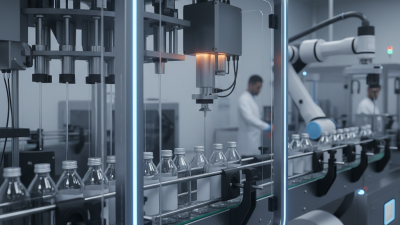
For liquids, filling and capping machines control dose and reduce spills; thicker products may need different pumps than water-like liquids. Vacuum packaging machines remove air before sealing, which can help protect certain foods during storage. The trade-off is real. Buyers should compare demonstrated speed with the actual product, package material, cleaning needs, and planned changeovers. Published rates may not match a mixed shift with frequent stops. A short production trial, using the intended product and packaging, can reveal awkward handling or inconsistent seals before installation.

How to Compare Performance, Features, and Total Cost

What Is the Best Automatic Packaging Machine in 2026?

The best automatic packaging machine is not always the fastest model. Compare verified output, changeover time, product protection, and uptime under real production conditions. PMMI’s 2024 U.S. Packaging Machinery Report highlights continuing investment in automation, driven by labor pressure and production efficiency. This makes measurable performance more important than attractive specifications.

Ask for factory acceptance tests using your actual product, film, and package size. Record good packs per minute, rejected packs, sealing temperature stability, and recovery time after a fault. A five-minute changeover can save hours each week. The International Federation of Robotics reported 541,302 industrial robots installed worldwide in 2023, showing how quickly automated production is expanding. Still, automation without operator training can create expensive downtime.

Features should support practical work. Look for tool-free adjustments, recipe storage, remote diagnostics, safety interlocks, and compatibility with existing conveyors. Then calculate total cost, including energy, spare parts, labor, film waste, software, maintenance, and installation. A cheaper machine may consume more material or require frequent specialist visits. That mistake is easy to make. I would compare costs across seven to ten years, not just the purchase invoice. Use supplier test data, but challenge it with your own line trials; polished numbers rarely show dust, humidity, awkward products, or tired operators.

What Is the Best Automatic Packaging Machine in 2026? — How to Compare Performance, Features, and Total Cost

There is no single best machine for every product. Compare each machine type against your package format, required output, product characteristics, and full operating costs.

Machine type Typical package or task Indicative operating speed Best suited to Key features to compare Relative upfront cost Total-cost factors
Vertical form-fill-seal (VFFS) Forms bags from a roll of film, fills them, and seals them. Often about 20–120 bags per minute; product, bag size, film, and configuration can change output substantially. Free-flowing products such as snacks, grains, powders, and some liquids when equipped with a suitable dosing system. Filling accuracy; sealing consistency; changeover time; film compatibility; washdown or dust-control options. Medium Film consumption and waste, dosing equipment, cleaning time, sealing parts, and operator training.
Horizontal flow wrapper (HFFS) Wraps individual products in a sealed film pack. Often about 30–300 packs per minute on suitable products and configurations; actual rates depend on product spacing and feeding. Discrete items such as bars, bakery products, hardware, and medical or household goods. Product infeed; pack-length control; registration accuracy; seal quality; format-change speed. Medium to high Film use, infeed labor or automation, change parts, maintenance, and product damage or misfeeds.
Cartoning machine Forms or loads cartons and closes them around products. Often about 30–200 cartons per minute; high-speed systems can exceed this for compatible products and carton designs. Products requiring a retail carton, such as bottles, tubes, blister packs, and multipacks. Carton style and range; product loading method; closure type; leaflet insertion; changeover and jam detection. Medium to high Carton and insert materials, format parts, setup time, glue or closure supplies, and line integration.
Case packer Groups products into shipping cases and closes or seals the cases. Often about 5–30 cases per minute, depending on case size, loading pattern, and product handling. End-of-line packing of bottles, cartons, cans, bags, and other grouped products. Case forming; loading pattern; product orientation; case sealing; handling of different case sizes. Medium to high Corrugated cases, tape or adhesive, change parts, conveying, guarding, and upstream line synchronization.
Palletizer Stacks cases or other unit loads onto pallets; may include stretch wrapping as a separate or integrated step. Output is commonly specified in cases per minute or pallets per hour; capacity depends on case weight, pattern, and infeed stability. Facilities needing automated case stacking, consistent pallet patterns, or reduced manual lifting. Payload; reach; pallet patterns; layer handling; safety systems; pallet and slip-sheet handling. High Installation and safety equipment, floor space, grippers or tooling, maintenance, and pallet or wrap materials.
Automatic filling and capping line Measures product into containers, then applies and tightens closures. Often about 20–200 containers per minute across different line configurations; container shape, viscosity, and closure type affect rate. Liquids, creams, and other products supplied in bottles, jars, or similar containers. Filling principle; dosing accuracy; container handling; cap feeding; changeover; cleanability. Medium to high Product-contact parts, cleaning and changeover labor, container and closure quality, calibration, and maintenance.

How to compare total cost: Consider purchase and installation, tooling, packaging materials, labor, energy, maintenance, changeovers, downtime, and expected service life. Speed ranges are indicative industry benchmarks, not guaranteed specifications; confirm achievable output and total cost with a site-specific product and package trial.

Which Automatic Packaging Machine Best Fits Your Needs?

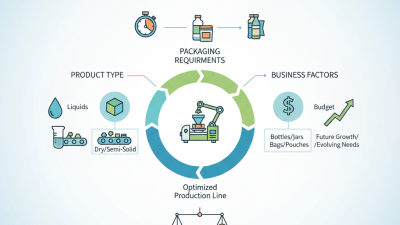
The best automatic packaging machine in 2026 is the one that fits your product, packaging material, output goals, and workspace. A machine designed for small pouches may not suit rigid containers or fragile items. Start with the package itself. Is it a pouch, carton, bottle, or tray? Then check the product’s size, weight, and handling needs. Small details matter, such as a narrow pouch opening or powder that clings to a filling nozzle.

Think about real production, not just the advertised speed. A line may run quickly under ideal conditions but slow down during changeovers or when operators reload film. How many package formats do you need each week? How much floor space is available? Can staff reach the controls and cleaning points without awkward stretching? That matters. Ask for a test using your actual product and packaging material. Record the run rate, seal quality, waste, and time needed to switch formats.

Budget includes more than the purchase price. Consider spare parts, training, maintenance access, and the cost of production stoppages. Check whether the machine can connect with your existing scales, conveyors, or labelers. It is easy to overvalue extra automation and overlook a difficult cleaning routine. I would not treat a specification sheet as proof of fit; real product trials can reveal problems the numbers miss. The right choice may be less impressive on paper, but more dependable on a busy shift.