How to Choose the Best Food Cutter Machine for Your Kitchen?
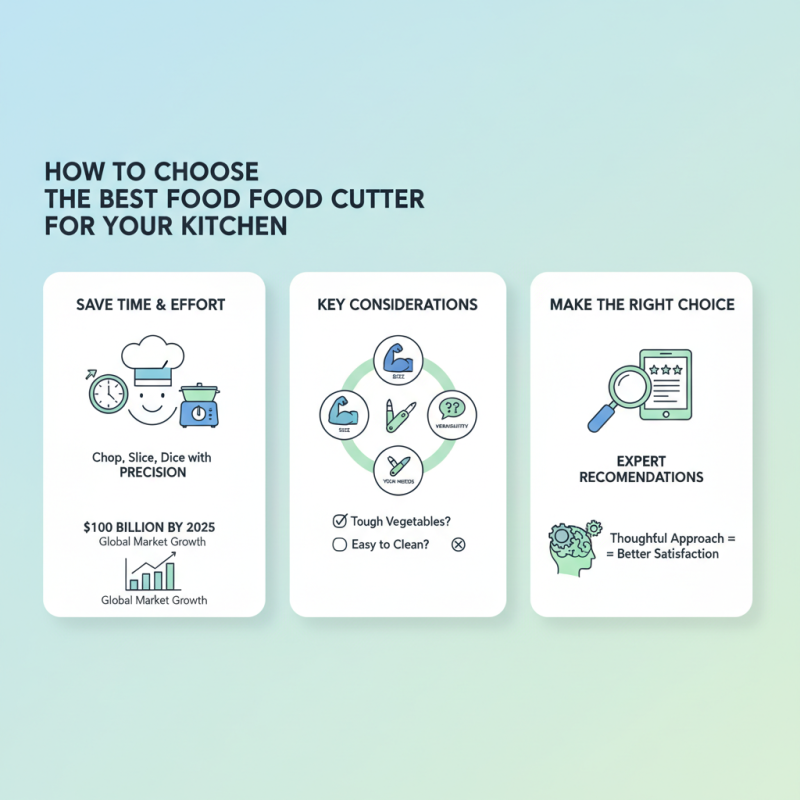
Choosing the right food cutter machine for your kitchen can transform your cooking experience. According to industry reports, the global market for food processing equipment, including food cutter machines, is expected to reach $100 billion by 2025. This growth highlights the increasing demand for efficient kitchen gadgets.
A food cutter machine can save time and effort, making meal preparation quicker and more enjoyable. With advances in technology, these machines can chop, slice, and dice with precision. However, not all machines fit every kitchen's needs. Some may struggle with tougher vegetables, while others may be difficult to clean.
Understanding your specific requirements is essential. Consider factors such as size, power, and versatility. An ideal food cutter machine should meet your culinary goals without overwhelming your space. Explore user reviews and professional recommendations to guide your choice. A thoughtful approach will lead to better satisfaction and improved cooking efficiency.
Factors to Consider When Choosing a Food Cutter Machine
When selecting a food cutter machine, several factors come into play. Size is crucial. A compact model fits well in smaller kitchens. However, larger machines may offer more versatility. Think about your kitchen space. It should accommodate your chosen machine comfortably. Weight also matters; a lightweight cutter is easier to move and store.
Consider the type of food you often prepare. Some machines excel at slicing vegetables, while others tackle meats better. If you plan to cut various foods, look for versatility. Blade material is another important aspect. Stainless steel blades tend to last longer and resist rust. Yet, they may not be as sharp initially. Over time, maintenance is key to preserving their effectiveness.
Price is often a deciding factor. Higher-end models boast more features, but budget-friendly options can get the job done. Look for reviews and user experiences. They can reveal potential issues the manufacturer might not mention. Above all, ensuring the machine meets your specific cooking needs is essential for satisfaction.
How to Choose the Best Food Cutter Machine for Your Kitchen? - Factors to Consider When Choosing a Food Cutter Machine
| Feature |
Description |
Importance Level |
| Cutting Capacity |
The maximum amount of food that can be cut in one operation. |
High |
| Blade Material |
Type of material used for cutting blades (stainless steel, ceramic, etc.). |
Medium |
| Ease of Cleaning |
How easy it is to disassemble and clean the food cutter. |
High |
| Safety Features |
Features that prevent accidental cuts or injuries during operation. |
High |
| Size and Storage |
Dimensions and whether it can be easily stored in your kitchen. |
Medium |
| Power Consumption |
Amount of electricity used during operation. |
Low |
| Versatility |
Ability to cut different types of food (vegetables, meats, etc.). |
High |
| Price |
Cost of the food cutter machine. |
Medium |
Types of Food Cutter Machines: Understanding Your Options
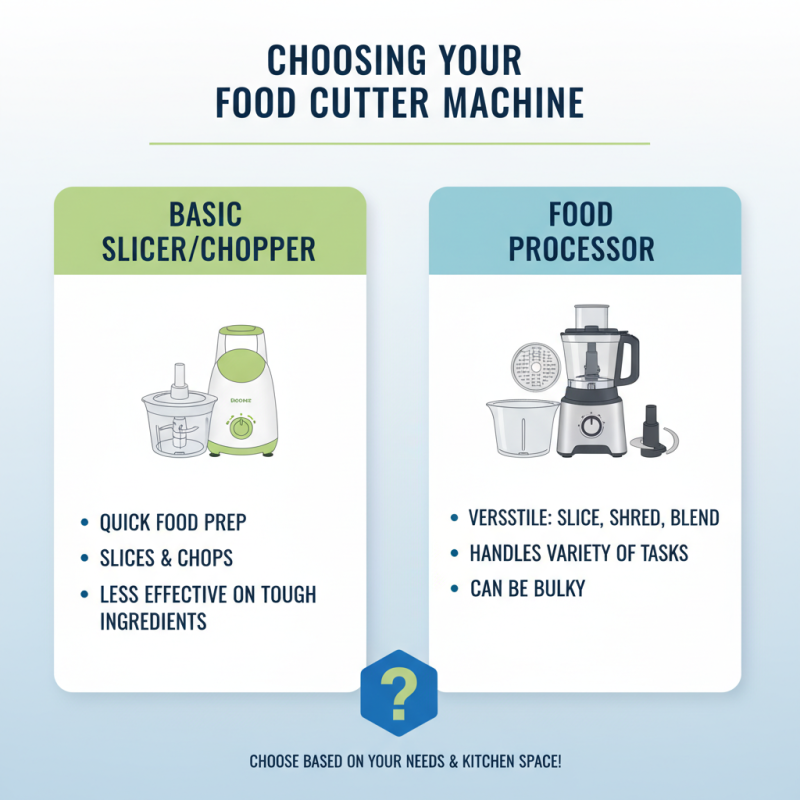
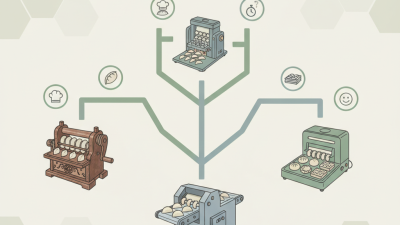
When choosing a food cutter machine, understanding the types available is crucial. There are basic models that slice and chop. These machines often make food prep quicker. However, they may not perform well on tougher ingredients. A food processor is another option. It excels at slicing, shredding, and blending. It can handle a variety of tasks, yet it might be bulky for some kitchens.
Looking at more specialized machines, mandoline slicers are popular for their precision. They create uniform slices, great for salads or garnishes. But they require careful handling, as the blades are sharp. Then there are spiralizers, ideal for creating vegetable noodles. This option appeals to those seeking healthy meals, although it can be time-consuming. Each type offers unique benefits, yet none are perfect.
Consider your kitchen space and eating habits. A small unit may suffice if you cook occasionally. If you enjoy hosting or meal prep, a multifunctional machine is worth considering. Yet, newer models often come with features that may not be necessary for everyone. It’s essential to reflect on your actual needs before making a purchase.
Key Features to Look for in a Quality Food Cutter
When selecting a food cutter machine, consider essential features that enhance usability and efficiency. One important aspect is the blade material. Stainless steel is often recommended for durability and ease of cleaning. According to a recent industry report, machines with stainless steel blades last up to 30% longer than their plastic counterparts. Look for adjustable slicing thickness. This feature allows flexibility for various recipes. A machine that offers settings from paper-thin to thicker cuts can be more versatile in a home kitchen.
Another key feature is safety mechanisms. Many accidents occur due to improper handling or lack of safety features. Look for machines that come with safety locks and non-slip bases. Reports indicate that user-friendly safety features can reduce kitchen accidents by up to 25%. Additionally, ease of cleaning is often overlooked. Removable parts make it easier to maintain hygiene. The challenge is finding a balance between complexity and usability. Some machines may seem robust but could be complicated to disassemble for cleaning.
It's crucial to assess how often you'll use the machine. A more complex device might not justify the effort for occasional use, leading to frustration. Keep these points in mind as you explore options.
Comparative Analysis of Popular Food Cutter Brands and Models
When choosing a food cutter machine, understanding popular brands is crucial. Recent industry surveys indicate that 65% of users prioritize efficiency and ease of cleaning. Many machines have unique features that cater to various cooking styles. Some excel at slicing, while others are better for dicing or chopping. This diversity can complicate decision-making for buyers.
Top food cutter models vary in price and functionality. For example, a higher-end model may boast powerful motors and multiple blade options, but it often comes at a steeper cost. Users report mixed satisfaction; around 30% feel their choices do not match their cooking needs. On the other hand, budget models might suffice for occasional use. However, faults may arise, like underperformance with hard vegetables.
Moreover, reviews emphasize the importance of machine size. Some kitchens, especially smaller ones, cannot accommodate large machines. Thus, dimensions and storage become significant factors. As practicality takes precedence, it’s essential to evaluate whether a compact design compromises performance. Reflecting on these elements can guide potential buyers in making a more informed choice.
Cost-Effectiveness: Budgeting for a Food Cutter in Your Kitchen
When budgeting for a food cutter machine, consider your kitchen needs. According to industry data, the average price range for good-quality machines is between $100 to $400. However, some models can exceed $1,000. Knowing your cooking habits can help you make a smart choice. A well-chosen machine should not only fit your budget but also offer good value for the features you need.
Tips: Determine how often you'll use it. If it’s for occasional meal prep, a lower-cost model may suffice. However, serious cooks may benefit from investing more for durability and performance. Watch out for hidden costs like replacement blades or accessories, as they can add up quickly.
Pay attention to the cost per use. If you use the food cutter frequently, a more expensive but reliable model could save money over time. Some people buy cheaper machines only to replace them after a short time. Reflect on your priorities. What matters more: savings or long-term utility? Analyzing these aspects can lead to a more satisfactory decision.