
How to Choose the Best Vacuum Packing Machine?
Choosing the best vacuum packing machine begins with understanding your product, workflow, and packaging environment. A small butcher shop needs different performance than a busy meal-preparation facility. Meat, cheese, vegetables, coffee, and delicate goods all behave differently inside a vacuum chamber. Their moisture, shape, and storage requirements matter.
Gordon L. Robertson, a respected food-packaging expert, wrote, “Packaging is the art, science, and technology of enclosing and protecting products for distribution, storage, sale, and use.” His principle remains practical today. A reliable vacuum packing machine should remove air consistently, create a strong seal, and protect products during handling and storage. Look closely at chamber size, pump capacity, sealing-bar length, bag compatibility, and cleaning access. Stainless steel construction helps in demanding kitchens. Clear controls reduce mistakes during busy production periods.
However, specifications alone can mislead. A larger pump does not automatically produce better packaging. Excessive suction may crush soft bread or damage fragile foods. A machine that looks impressive may also be difficult to maintain. That weakness is easy to ignore during purchase. It becomes expensive later.
Operators should test real products before committing. Place a wet cut of meat, a small pouch of sauce, and a delicate item inside sample bags. Watch for liquid movement, uneven seals, wrinkles, and trapped air. Check whether staff can operate the machine safely and repeatedly. Energy use, service availability, warranty terms, and replacement parts deserve equal attention. The best vacuum packing machine is not always the fastest or most expensive. It is the model that fits your daily work, protects product quality, and remains dependable after the novelty disappears.
What Is a Vacuum Packing Machine and How Does It Work?
How to Choose the Best Vacuum Packing Machine?
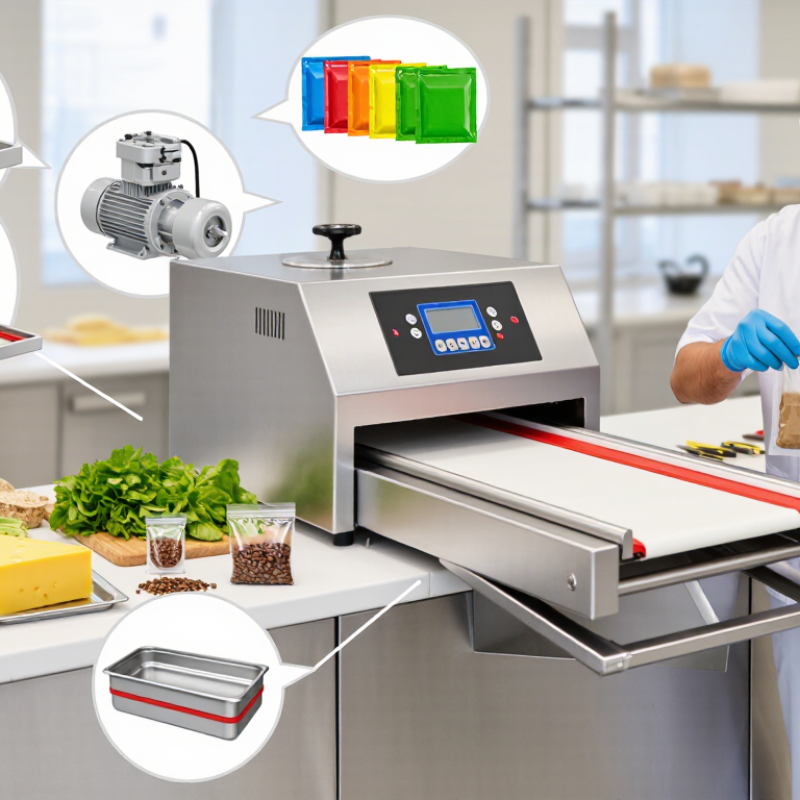
A vacuum packing machine removes air from a specially designed bag before sealing it. It does not create a perfect vacuum. That detail matters when comparing machines. Inside a chamber model, the bag sits in a sealed compartment. A pump reduces the air pressure around the bag. The opening then moves across a heated sealing bar. Heat softens the plastic layers, creating an airtight seam as they cool. External-suction models pull air directly from the bag. They usually need textured bags for steady airflow.
In daily use, dry food should enter the bag with a clean, open edge. Moisture can reach the pump and reduce performance. A rushed test taught me this. I overfilled one bag, and liquid reached the sealing area. The seal looked complete but opened later. That small failure showed why preparation matters as much as machine power. Leave enough empty space for a flat seal, and wipe the bag edge before sealing.
When choosing equipment, match its design to your workload. A wider sealing bar helps with large portions and thicker bags. Adjustable suction and sealing time provide better control for delicate items. A removable drip tray simplifies cleaning after moist foods. Check the pump rating, gasket quality, cord safety, and replacement-part availability. Quiet operation is useful, but sealing consistency matters more. Read technical instructions carefully. Some specifications sound impressive yet provide little practical detail.
How to Choose the Best Vacuum Packing Machine? - What Is a Vacuum Packing Machine and How Does It Work?
| Machine Type | How It Works | Typical Vacuum Level | Suitable Bag Type | Typical Cycle Time | Best For | Main Advantages | Important Limitations |
|---|---|---|---|---|---|---|---|
| External Suction Machine | The open end of the bag is placed outside the machine. Air is removed through the bag opening, and the edge is then heat-sealed. | Approximately 60–90% air removal, depending on the pump, bag material, product shape, and moisture level. | Embossed or textured vacuum bags designed for external suction machines. | About 15–40 seconds per bag. | Home use, small food businesses, dry foods, portioned ingredients, and occasional packaging. | Compact, relatively affordable, easy to operate, and suitable for low-volume packaging. | Usually less effective with liquids, powders, sharp products, and high-moisture foods. The bag opening must remain clean and flat. |
| Single-Chamber Machine | The entire bag is placed inside a chamber. The chamber air is removed before the bag is heat-sealed in the same controlled environment. | Commonly reaches approximately 95–99% air removal under suitable operating conditions. | Smooth vacuum pouches, including many standard multilayer barrier bags. | About 20–60 seconds per cycle. | Restaurants, retail preparation, food processing, meal preparation, and medium-volume production. | More consistent vacuum results, better handling of liquids, and compatibility with smooth bags. | Requires more floor space than an external suction unit. The chamber size limits the maximum product and bag dimensions. |
| Double-Chamber Machine | Two chambers alternate between vacuuming and sealing, allowing the operator to prepare one package while the other chamber is processing. | Commonly reaches approximately 95–99% air removal with suitable bags and products. | Smooth vacuum pouches and other compatible barrier bags. | About 20–45 seconds per cycle, depending on chamber size and settings. | High-volume food production, central kitchens, meat processing, and frequent batch packaging. | Higher throughput than most single-chamber machines and improved operator efficiency. | Larger, heavier, and more expensive. It requires adequate workspace, electrical capacity, and routine maintenance. |
| Nozzle-Type Machine | A retractable nozzle enters the bag to remove air. The bag is then sealed after the target vacuum level is reached. | Approximately 90–99% air removal, depending on the nozzle system and packaging material. | Specially designed smooth bags or pouches that support nozzle insertion and sealing. | About 10–30 seconds per package. | Large products, irregular shapes, industrial parts, and applications where chamber dimensions are restrictive. | Can accommodate large or unusually shaped products and may use less chamber space. | Bag positioning can be more demanding, and the nozzle area must be kept clean to maintain a reliable seal. |
| Continuous Band Machine | Products are fed through a continuous conveyor system while the bag is evacuated and sealed in a repeated process. | Typically approximately 90–99% air removal, depending on the product and machine configuration. | Pre-made bags or compatible bag materials used with continuous sealing systems. | Continuous operation; actual output depends on belt speed and product spacing. | Large-scale production, standardized products, and operations requiring consistent throughput. | High productivity, repeatable sealing, and reduced manual handling. | Higher investment and more complex setup. It is less suitable for highly irregular product sizes or very small batches. |
| Vacuum Skin Packaging Machine | A flexible top film conforms closely to the product and is sealed to a rigid or semi-rigid tray after air is removed. | Often achieves approximately 95–99% air removal, depending on the tray, film, and product geometry. | Rigid trays with compatible skin-pack films. | About 10–30 seconds per tray in many production settings. | Fresh meat, seafood, ready-to-cook products, premium food presentation, and retail display packaging. | Attractive presentation, strong product visibility, reduced package movement, and good protection from air exposure. | Needs compatible trays and films. Equipment and material costs are generally higher than basic bag vacuum packaging. |
Note: Vacuum performance, cycle time, shelf-life extension, and output vary according to product temperature, moisture, shape, bag or film structure, seal width, pump capacity, and operating settings. Vacuum packaging does not replace refrigeration, freezing, hygienic handling, or applicable food-safety controls.
Related Posts
-
2026 Best Industrial Vacuum Packing Machine Features and Benefits?
-
Top 10 Vacuum Packing Machines for Efficient Food Storage?
-
Top Benefits of Using Fruit Sorting Machines for Efficient Processing
-

Top 10 Meatball Maker Machines You Need to Try Today?
-
Why Invest in an Automatic Dumpling Machine for Your Food Business?
-
What is a Cane Juice Machine and How Does It Work for Your Business