How to Choose the Right Food Processing Machine for Your Kitchen?
Choosing the right food processing machine is crucial for any kitchen. The global food processing industry is expected to reach $4.5 trillion by 2025, according to a report by Research and Markets. This growth highlights the importance of selecting quality machines that fit your needs.
Not all machines are created equal. Each model offers unique features that cater to different culinary tasks. For example, some machines are ideal for chopping, while others excel at blending. A poorly chosen machine can lead to frustration and wasted time. This underlines the need for careful consideration before making a purchase.
Many home cooks overlook essential factors. The size, ease of use, and maintenance requirement play significant roles in your decision. Reviews and professional advice can guide you, but personal experience is invaluable. Understanding how a specific food processing machine will fit into your cooking routine is key to making an informed choice.
Understanding the Types of Food Processing Machines Available
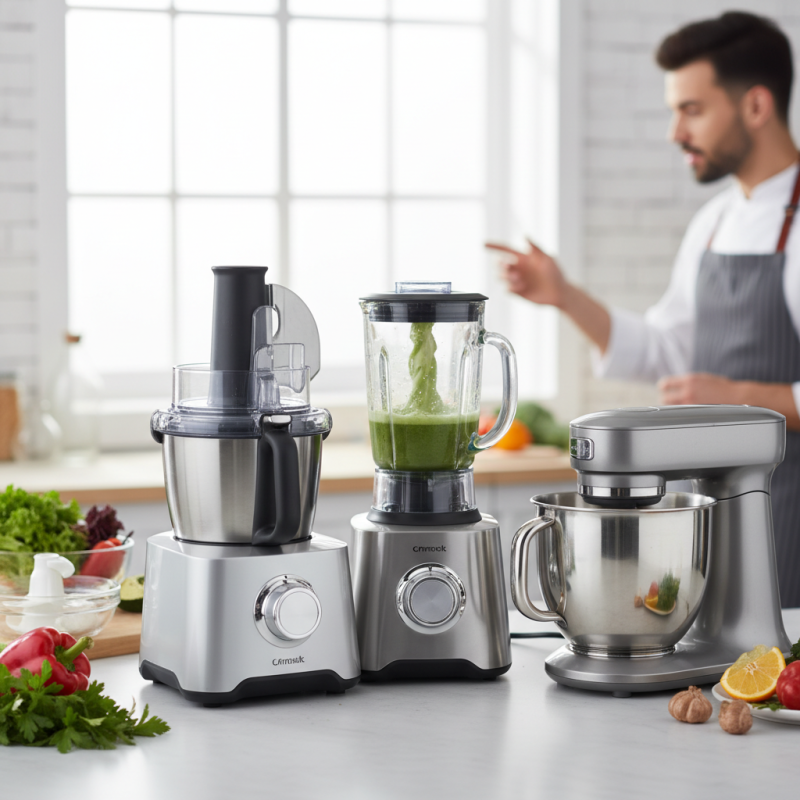
When selecting a food processing machine, understanding the various types available is crucial. Common categories include
mixers, food processors, blenders, and slicers. Each category serves a unique purpose and can significantly enhance kitchen efficiency.
According to industry reports, the food processing equipment market is projected to reach $120 billion by 2026, reflecting the growing demand for efficient cooking solutions.
Mixers are essential for baking, allowing for the incorporation of ingredients seamlessly.
Food processors provide versatility, handling tasks like chopping, shredding, and kneading.
A study by the International Journal of Food Science indicates that households using food processors save 30% more time on meal preparation.
Blenders are perfect for smoothies and soups, while slicers ensure uniformity in food presentation.
However, choosing the right machine requires careful consideration of kitchen space and individual cooking needs.
It's important to reflect on the potential downsides as well.
Some machines can take up significant counter space or require maintenance. A user might find that a powerful blender, while effective, is also loud and may not be suitable for a quiet kitchen.
A thorough understanding of what each machine offers will lead to better decision-making, ensuring the kitchen is equipped with tools that truly meet your cooking style.
Identifying Your Kitchen Needs and Food Preparation Requirements
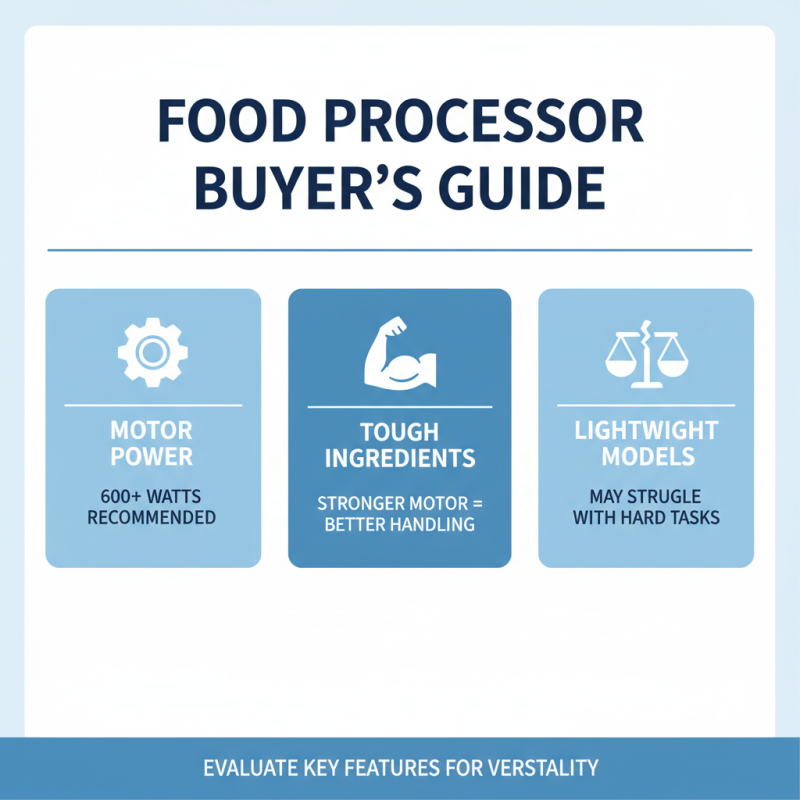
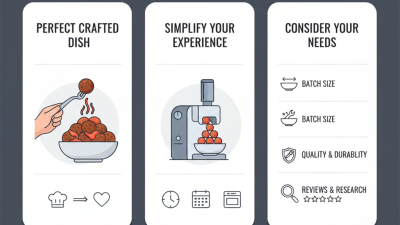
When choosing the right food processing machine, it’s essential to identify your kitchen needs and food preparation requirements. Think about what you cook most often. Do you chop vegetables daily? Perhaps you blend smoothies? Understanding your cooking habits helps in selecting the appropriate machine.
Consider the available space in your kitchen. If counter space is limited, a compact model might be best. Large machines can overwhelm a small kitchen and become a hassle to store. Take measurements before making a purchase. Also, consider the ease of cleaning. Some machines have many components, making them challenging to maintain. A simpler design could save time and effort.
It's also important to reflect on your budget. High-end machines offer more features. However, they may not be necessary for casual cooks. Assess your commitment to cooking. If you cook often, investing in quality makes sense. If not, a more basic option might suffice. Think critically about your needs and make a choice that suits your lifestyle.
How to Choose the Right Food Processing Machine for Your Kitchen?
| Machine Type |
Key Features |
Ideal For |
Price Range |
Power Requirement |
| Food Processor |
Chopping, slicing, grating, mixing |
Vegetable prep, batters, dips |
$50 - $400 |
300 - 1200 watts |
| Blender |
Blending, pureeing, smoothies |
Drinks, soups, sauces |
$25 - $600 |
200 - 1500 watts |
| Mixer |
Mixing, kneading, whipping |
Baking, dough preparation |
$50 - $700 |
300 - 1000 watts |
| Dehydrator |
Dehydrating fruits, vegetables, herbs |
Snacks, food preservation |
$40 - $300 |
300 - 600 watts |
| Sous Vide Cooker |
Precision cooking, water immersion |
Meats, eggs, vegetables |
$50 - $500 |
800 - 1200 watts |
Considering Budget and Brand Reputation in Your Decision-Making
When selecting a food processing machine, budget and brand reputation matter significantly. Research shows that 57% of consumers factor in brand trust when making purchasing decisions. A reliable brand often ensures better customer service and product quality. However, it's important to note that a higher price doesn't always guarantee superior performance. Evaluating actual user reviews can provide insights into the machine's efficiency.
Consider machines within your budget. For instance, reports indicate that mid-range food processors perform well for 85% of home cooking tasks. You may find that spending less allows for savings to be allocated to other kitchen essentials. Investing in durable machines can lead to long-term savings, though it requires careful research and comparison.
Ultimately, it's wise to weigh options beyond brand names. Delve into specifications and warranty terms. A reputable brand may offer robust support, but don't overlook lesser-known brands that excel in performance. Gathering data on product longevity and user satisfaction can unveil hidden gems that fit your needs perfectly. This thoughtful approach fosters more informed choices for your kitchen.
Researching Maintenance and Support Options for Food Processing Machines
When investing in food processing machines, it's crucial to research their maintenance and support options. These machines require regular upkeep to function efficiently. Neglecting maintenance can lead to costly repairs or even machine failure. Understanding the manufacturer's recommendations for servicing can save time and money.
Consider the availability of local technicians. A machine may be top-notch, but if support is far away, it becomes less practical. Look for options that offer training and troubleshooting resources, such as online guides or customer service hotlines. These resources can empower you to address minor issues yourself.
Reflect on your kitchen's specific needs. The ideal machine should match your cooking habits and production volume. If you frequently use a machine, ensure quick and reliable support is accessible. It's important to weigh the long-term support against short-term costs. Choose wisely to enhance your kitchen's efficiency.
Food Processing Machines Maintenance and Support Options