What is an Essential Oil Machine and How Does It Work?
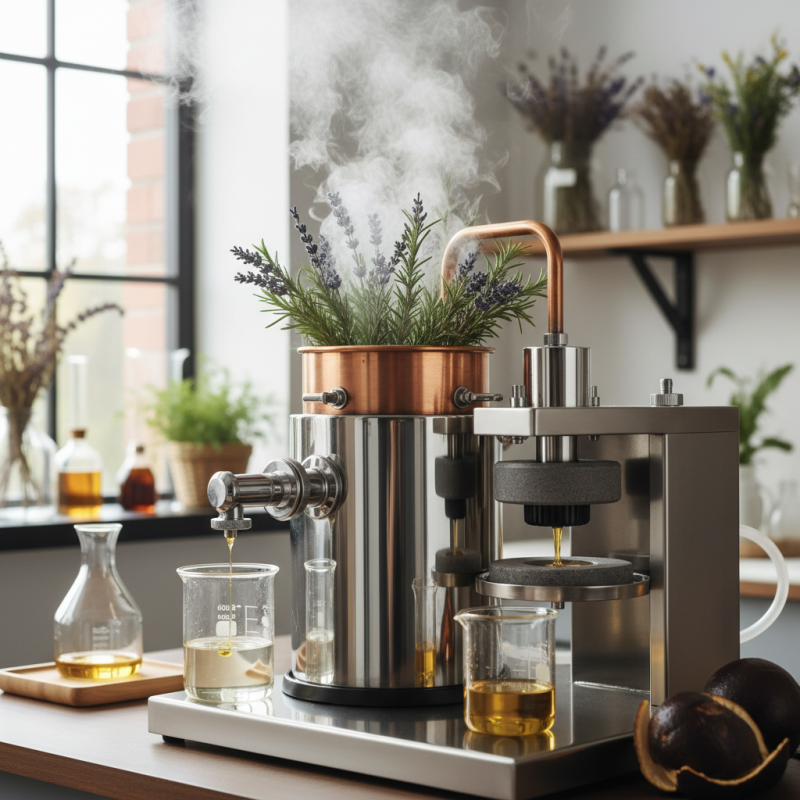
The essential oil machine is an intriguing device that captures the essence of aromatic plants. It transforms botanicals into concentrated oils we often use for wellness. Understanding its workings can enrich your appreciation for aromatherapy.
Using features like steam distillation or cold pressing, the machine extracts valuable compounds. These methods ensure optimal yield and preserve the integrity of the oils. However, one might question the efficiency and output variations. Not all machines perform equally.
Despite advances in technology, producing pure essential oil can be a challenge. Factors such as plant quality and processing techniques impact results. It raises concerns about sourcing and consistency. Hence, exploring the essential oil machine reveals not just its function, but also the broader implications for quality and reliability in the industry.
What is an Essential Oil Machine?
Essential oil machines are innovative devices designed to extract aromatic compounds from plants. They utilize different extraction methods, such as steam distillation and cold pressing. This technology has gained popularity in recent years, reflecting a growing interest in natural wellness products. According to a recent market research report, the essential oils market is projected to reach $13.2 billion by 2026. This growth is indicative of the rising consumer demand for natural and organic products.
These machines can vary widely in their design and functionality. Some are small and portable, while others are larger and more complex. Many home users prefer compact models for convenience. However, some larger machines are used in commercial settings. The process generally involves heating plant material to release essential oils. Here, a challenge arises: not all methods maintain the integrity of the oils. A poorly designed machine can lead to a loss of beneficial properties, rendering the oils less effective.
It’s also essential to consider the materials used in these machines. Many consumer-grade products might contain low-quality components, affecting the final oil's quality. Recent studies suggest that quality varies significantly across different types of machines. This inconsistency could lead to oils that are less potent and less therapeutic. Consumers should be aware of these factors before making a purchase.
What is an Essential Oil Machine and How Does It Work?
| Feature |
Description |
Function |
| Distillation |
A method used to extract essential oils from plants by heating and cooling. |
Extracts pure oil for therapeutic uses. |
| Cold Pressing |
A technique used for citrus oils that involves pressing and grinding the rinds of fruits. |
Preserves the natural fragrance and properties of citrus oils. |
| Steam Extraction |
Utilizes steam to help release essential oils from the plant material. |
Used for extracting oils from various plants while maintaining quality. |
| Safety Features |
Modern machines come with safety features to prevent overheating and over-pressurization. |
Ensures safe operation during oil extraction process. |
| Applications |
Used in aromatherapy, cosmetics, and natural remedies. |
Provides therapeutic benefits and fragrances for various uses. |
The Different Types of Essential Oil Machines
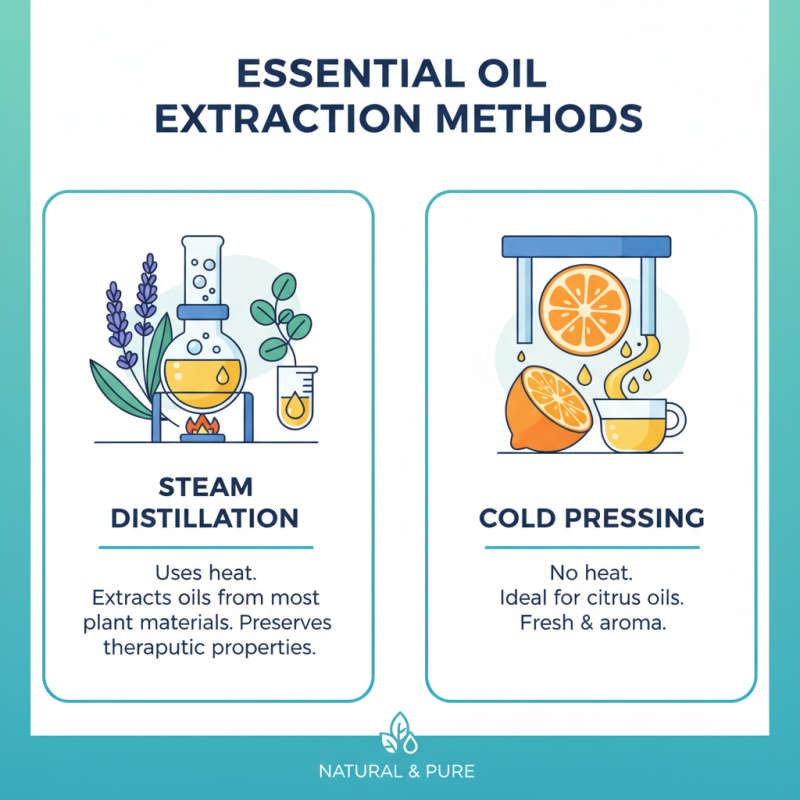
When it comes to essential oil machines, various types are available. Each type serves specific needs and preferences. Steam distillation is one of the most common methods. It uses heat to extract oils from plant materials. Research shows that this method preserves the oil's therapeutic properties effectively. Another popular method is cold pressing, mainly used for citrus oils. This method extracts oils without heat, ensuring a fresh and vibrant scent.
Ultrasonic diffusers are also widely used. They disperse essential oils into the air with ultrasonic waves. This method allows for greater control over the oil's concentration and the duration of diffusion. Reports indicate they can enhance mood and relaxation. However, some people find the scent too subtle.
There are also vacuum distillation machines. These machines operate at lower temperatures, which is beneficial for delicate plants. They can yield higher quality oils but are often more expensive. Each machine has its pros and cons, and the choice can depend on individual needs. It’s important to consider efficiency and quality when selecting a machine for essential oils.
How Essential Oil Machines Extract Oils
Essential oil machines are fascinating devices that extract concentrated plant extracts. These machines use various techniques to obtain essential oils. Each method brings out different qualities of the oils, impacting their aroma and therapeutic properties.
One common technique is steam distillation. In this process, steam passes through plant material. This heat helps release the essential oils, which then vaporize. As the steam cools, the oils condense back into liquid. This method is often effective but not without challenges. Some plants may require specific temperatures to preserve their delicate compounds.
Another popular method is cold pressing. This technique works well for citrus fruits. The outer peel is mechanically pressed to release the oils. However, achieving the right pressure is crucial. Too much force might spoil the quality. Each approach has its unique strengths and weaknesses. Experimentation often leads to better results, but it may take time to find the perfect method.
Essential Oil Extraction Method Comparison
This chart compares different essential oil extraction methods based on their yields and efficiency. The data represents hypothetical values for illustration purposes.
The Benefits of Using an Essential Oil Machine
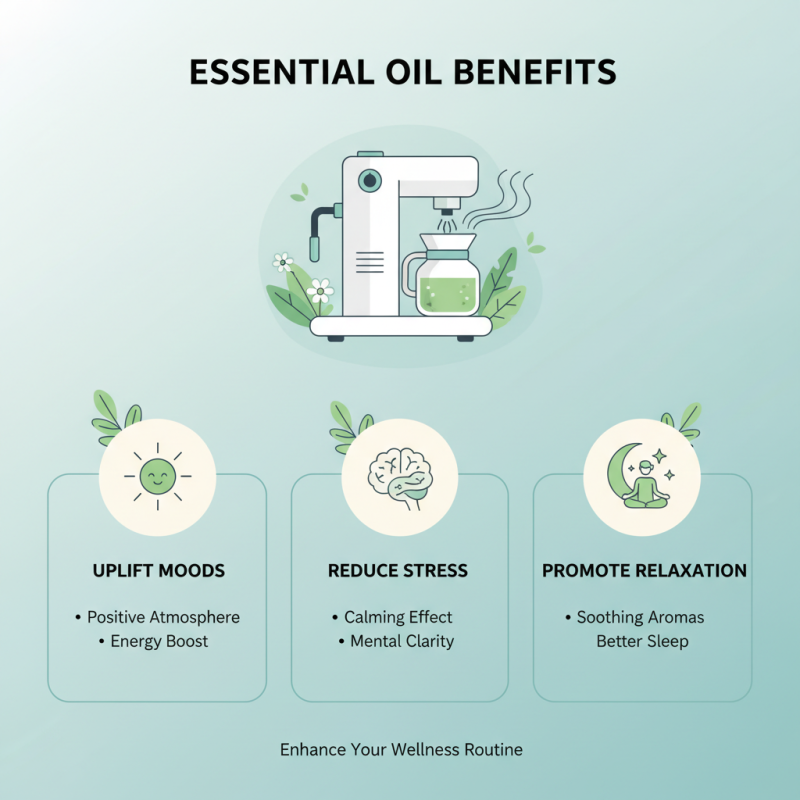
Using an essential oil machine can enhance your wellness routine. These machines allow you to extract pure plant oils, bringing fragrant benefits into your home. Many people enjoy the soothing aromas that fill the air. When essential oils are dispersed, they can uplift moods, reduce stress, and promote relaxation.
However, not all machines are created equal. Some may not provide the purest aromas. It's crucial to choose a quality machine that effectively disperses essential oils. If the oils aren’t released properly, you may miss out on their therapeutic effects.
The calming experience may depend on proper usage. Overfilling can lead to a mess. You might need to adjust settings for desired strength. Remember, not every oil is suitable for every machine. It can take time to find the right combination for your needs. Enjoy the journey of exploring different scents and their effects.
Tips for Choosing the Right Essential Oil Machine
When selecting an essential oil machine, consider your needs. Different types serve various purposes. A diffuser is great for creating ambiance and purifying the air. However, there are also machines that distill oils for therapeutic use. Knowing your primary goal helps narrow your options.
Look at the size and design of the device. Smaller machines are more portable, while larger ones cover bigger spaces. You might want a sleek design that fits your home decor. Features like timers, misting options, and light settings can enhance your experience. But, sometimes, tech-savvy enthusiasts can get overwhelmed with choices. Simplicity might be key.
Check the ease of cleaning and maintenance too. Some machines require regular upkeep, while others are more user-friendly. For the casual user, complicated setups may pose a challenge. Reflect on how often you plan to use the machine. Frequent users might prioritize durability and efficiency over aesthetics. Ensure your choice aligns with your lifestyle and preferences.