10 Essential Tips for Choosing the Best Snack Packaging Machine
Choosing the right snack packaging machine is crucial for any food business. According to food packaging expert Dr. Emily Chen, "The right packaging can make or break your snack product." Many factors influence this decision. Understanding your product’s specific needs is essential.
Different snacks require different packaging approaches. Some snacks may need vacuum sealing, while others require moisture barriers. You must consider both product characteristics and shelf life. Additionally, budget constraints often play a significant role in this choice.
Not all manufacturers provide reliable equipment. Researching and comparing reputable brands is vital for making informed decisions. Keep in mind that the cheapest option may not always be the best. Investing time in understanding available machines can prevent costly mistakes.
Understanding Different Types of Snack Packaging Machines
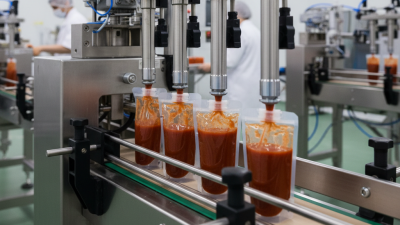
When exploring different types of snack packaging machines, it's vital to understand their unique features. Each machine type offers advantages for specific products. For instance, vertical form-fill-seal machines efficiently package snacks like chips and nuts. These machines can quickly produce attractive pouches that extend shelf life.
Choosing the right machine involves clear considerations. Assess your production volume and product type. If you have diverse snacks, consider a multi-functional machine. Versatility allows for adaptations as your product line grows. Integrating technology can also enhance efficiency. Automation reduces labor costs and improves consistency in packaging.
Do not neglect the importance of machine maintenance. Regular checks prevent breakdowns and ensure quality control. Each packaging type has its learning curve. Familiarize your team with the equipment. Training improves output and reduces waste. Investing in the right knowledge can make a significant difference in your packaging success.
Snack Packaging Machine Types and Their Features
Key Features to Consider in a Snack Packaging Machine
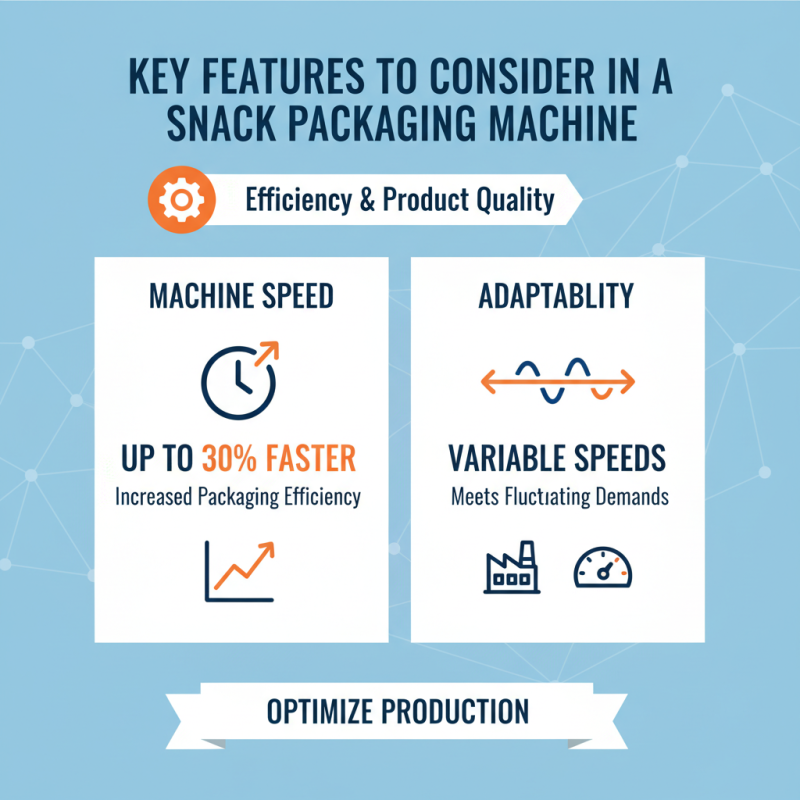
When selecting a snack packaging machine, key features play a vital role in both efficiency and product quality. One must consider machine speed, as industry reports show that packaging efficiency can improve by up to 30% with the right equipment. Machines that can operate at varying speeds are essential. This adaptability allows companies to meet fluctuating production demands without compromising quality.
Next, ease of use should not be overlooked. Operators need a user-friendly interface to swiftly adjust settings. Training time can decrease significantly when a machine is intuitive. According to recent studies, organizations that invest in user-friendly technologies see productivity gains of about 15%.
Additionally, flexibility is crucial in today’s market. Packaging needs often change with consumer preferences. A snack packaging machine that accommodates various sizes and types of packaging can be a game-changer. Reports suggest that companies that embrace versatile machinery enhance their market responsiveness. Yet, there’s a common pitfall: overlooking maintenance requirements. Regular upkeep is often neglected, potentially leading to unexpected downtime and costly repairs. Choosing a machine designed for easy maintenance can mitigate these risks.
Evaluating Production Capacity and Speed Requirements
When selecting a snack packaging machine, evaluating
production capacity and speed requirements is crucial.
The machine’s speed determines how many packages can be produced per hour. Depending on your production goals,
this can greatly impact efficiency. Aim for a balance between speed and quality. If a machine is
too fast, it may compromise packaging integrity.
Consider the type of snacks you are packaging. Different
products have varying packaging needs. For instance, delicate items require gentler handling.
The right machine must accommodate these specifics without sacrificing production rates.
Assess whether your facility can support the equipment’s output. Sometimes, higher capacity
machines may lead to bottlenecks in your process.
What about maintenance and downtime? Machines with high
production capacities can demand more attention. Understanding your operational limits is
essential. Frequent breakdowns due to overworking a machine can disrupt your workflow.
Regularly evaluating both speed and capacity can help refine your choices. Ultimately, the goal
is to meet consumer demand while managing your resources effectively.
Assessing User-Friendliness and Maintenance Needs
When selecting a snack packaging machine, user-friendliness is critical. A machine that’s intuitive will save time and reduce errors. Operators should easily navigate the controls, from setup to production.
Complicated interfaces can lead to frustration and mistakes. Simple displays and clear instructions are vital. Investing time upfront in training helps everyone feel comfortable.
Maintenance needs should also be considered carefully. Machines require regular upkeep to function optimally. Look for models that offer quick access to components for cleaning and repairs. A machine that is difficult to maintain may lead to downtime and lost productivity.
Budget for maintenance costs in your initial investment. Understand that every machine has its quirks. A little personal reflection on your team’s skill levels can go a long way in making the right choice.
Budget Considerations and Sourcing Reliable Suppliers
When choosing a snack packaging machine, it's vital to consider budget and sourcing dependable suppliers. Recent industry reports indicate that businesses often underestimate their packaging costs. According to a 2023 survey by Packaging World, 34% of companies reported budget overruns in machinery purchases. This highlights the importance of diligent financial planning.
It's beneficial to gather several quotes from different suppliers. This can provide insights into pricing trends. While price is crucial, consider the quality and reliability of the machinery. A machine with a higher upfront cost may offer long-term savings through durability and lower maintenance.
Tip #1: Always request sample packaging before committing. This step helps evaluate whether a machine meets your requirements.
Additionally, checking supplier credentials is vital. Research suppliers' reputations and customer reviews. Many businesses have experienced delays due to unreliable suppliers. Exploring their track record can prevent potential issues.
Tip #2: Attend industry trade shows to meet suppliers face-to-face. Personal interaction can build trust and facilitate better deals.
Tip #3: Establish communication with past customers of your chosen suppliers. They can provide unbiased insights into their experiences. This method helps in making a more informed decision.