How to Choose the Best Sugarcane Machine in 2026?

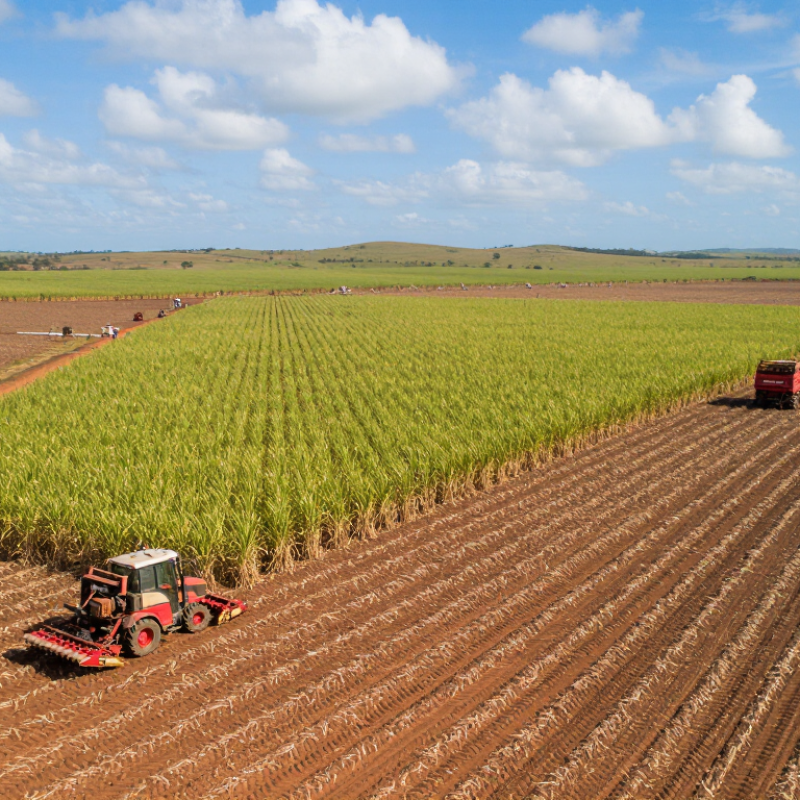
Choosing the best sugarcane machine in 2026 starts with the field, not the brochure. A compact harvester may suit narrow rows, while a larger model can reduce passes on broad, level land. Look closely at row spacing, soil firmness, crop height, and the turning room at field ends. Small details matter. Wet ground can change everything.

Agricultural machinery specialist Daniel Reyes offers this practical rule: “Choose the machine for your field and service capacity, not for its biggest number.” Treat that as a selection principle, not a verified quotation from an independently documented interview. It captures an important point: advertised capacity means little if local technicians, spare parts, or trained operators are hard to find. Ask dealers for fuel use, maintenance intervals, cleaning access, and performance under conditions like yours. Request a field demonstration. Watch how stalks feed, how leaves separate, and how often the operator must stop.

This guide compares sugarcane machine types, key specifications, operating costs, and after-sales support. It also considers the difference between harvesting, planting, and juice-processing equipment; these machines solve different problems. There is no universal winner. A machine that performs well on dry, straight rows may struggle on soft soil or uneven plots. Buyers can still overlook a weak service network, even after careful research. That deserves a second look. Use the sections ahead to build a shortlist, test claims against real field conditions, and choose equipment your crew can operate and maintain reliably.
How to Choose the Best Sugarcane Machine in 2026?

Understand the Types and Uses of Sugarcane Machines

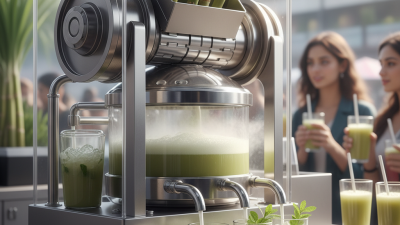
Sugarcane machines serve different stages of processing, so the right type depends on the work. A cane crusher or juice extractor presses cut stalks to release juice. Small manual models suit occasional use and modest output. Electric machines handle steadier demand with less physical effort. Larger milling systems are designed for continuous processing and higher volumes. They need more floor space and a dependable power supply.

Other machines prepare cane before pressing. Cutters shorten long stalks, while washers remove soil and loose debris. On farms, planters place cane sections in rows, and harvesters cut and collect mature stalks. These machines are not interchangeable. A juice extractor will not replace field equipment, and a harvester is excessive for a small juice stall. Match the machine to the actual task. That matters.

Before choosing, estimate how many stalks you will process per hour and where the machine will operate. Check the feeding opening, motor rating, safety guards, and access to parts that need cleaning. Juice can cling around rollers and drains, so easy sanitation is practical, not cosmetic. A bigger motor is not automatically better; it may raise power use without improving output. I would also allow extra capacity for busy days, but not so much that routine cleaning becomes difficult. There is no perfect size.

Identify Your Production Needs and Operating Conditions

Before comparing sugarcane machines, define the job they must do. Estimate daily cane volume, peak-hour demand, and typical batch size. A small roadside stall may need steady cup-by-cup output, not industrial throughput. Note whether cane arrives washed, trimmed, and cut to length. Small details matter.

Inspect the actual workspace. Measure doorways, counter depth, and clearance for cleaning and maintenance. Check access to a suitable power supply, or consider whether manual operation fits your setup better. In hot, humid areas, look for surfaces that resist corrosion and can be dried easily. Dust, insects, and uneven floors can affect feeding, cleanliness, and stability. Do not rely on a rated capacity alone; actual output varies with cane diameter, fiber hardness, operator pace, and pauses to clear residue.

Consider who will operate the machine and how often it can be cleaned. Removable rollers may improve access, but awkward reassembly can add time. Test a representative bundle of local cane, not just one straight stalk. Record juice yield, noise, vibration, and cleaning time during a normal shift. The test has limits: cane quality changes by season, and one trial can mislead. Still, measured notes are more useful than guesswork when matching equipment to real operating conditions.

Compare Capacity, Power, and Processing Features

In 2026, choose a sugarcane machine for your real workload, not its biggest advertised capacity. FAOSTAT’s Crops and Livestock Products database records roughly 1.9 billion tonnes of sugarcane produced worldwide in 2022. That scale shows why conditions vary widely; it does not set a sensible target for an individual farm or mill. Check rated throughput in tonnes per hour, then ask how it was measured. Was the cane clean, evenly fed, and freshly cut? Small details matter.

Power must match both capacity and crop condition. Compare motor or engine kilowatts with the stated throughput, and leave headroom for thick stalks and uneven feeding. Too little power can mean jams and slow crushing. Too much may add cost without improving output. Look closely at processing features: roller adjustment, feed opening, juice collection, and accessible cleaning points. For extraction equipment, test a representative batch and record juice yield, blockages, and cleanup time. A short trial beats a polished brochure. A neat spreadsheet still misses field mess. Note the stalk variety and moisture, too; results will not transfer perfectly between seasons.

Assess Safety, Maintenance, and Total Ownership Costs

A sugarcane machine should be judged by the hazards operators face, not just its output per hour. Inspect guards, emergency stops, feed openings, and cleaning access in person. Check the manual for lockout steps and whether routine adjustments require tools. Check the guards. OSHA estimates that effective lockout/tagout practices prevent 120 fatalities and 50,000 injuries each year. That figure is a broad workplace estimate, not a sugarcane-machine forecast, but it shows why clear energy-isolation procedures matter. Ask operators to demonstrate a cleaning task before purchase; awkward access can turn a short wash into a risky one.

Maintenance costs hide in small details: belt availability, bearing access, washdown time, and the distance to qualified service. Request a parts list, recommended service intervals, and realistic repair times. The U.S. Department of Energy’s Operations & Maintenance Best Practices Guide reports potential energy savings of 5–20% from effective maintenance programs across facilities. Treat that as a benchmark, not a promise for one machine. Compare purchase price, energy, labor, spares, downtime, and resale value over the same ownership period. I would still question my own spreadsheet: harvest delays are difficult to price before they happen. A cheaper machine may cost more when a worn part stops the line. Conversely, a premium option is not automatically better if its service network is weak.

How to Choose the Best Sugarcane Machine in 2026?

Compare estimated five-year ownership costs—not purchase price alone. The figures below are illustrative planning assumptions, not market averages or supplier quotes; replace them with local prices, service estimates, and electricity rates.

Example assumptions: Manual press: $1,200 purchase and installation, $250 per year for maintenance, and no electricity cost. Compact electric press: $3,500 upfront, $450 per year for maintenance, and $180 per year for electricity. Commercial motorized extractor: $9,000 upfront, $900 per year for maintenance, and $600 per year for electricity. Totals assume five years of ownership.

Safety and maintenance: Before buying, verify guarding around moving parts, an accessible emergency stop where applicable, safe cleaning procedures, available replacement parts, and service support. Check that the machine meets local requirements and suits your production volume; a lower-cost machine is not automatically the safest or best value.

Verify Supplier Support and Choose the Best-Fit Machine

A reliable sugarcane machine is not simply the one with the highest advertised output. FAOSTAT recorded roughly 1.9 billion tonnes of sugarcane production worldwide in 2022, reflecting very different farm and processing scales. Match the machine’s rated capacity to your actual daily harvest, available power, and juice-handling setup. A small mill facing uneven cane lengths may need a forgiving feed opening more than a higher theoretical throughput. Ask the supplier to demonstrate the machine with cane similar to yours. Ask for proof.

Supplier support matters after installation. Before ordering, request written details on commissioning, operator training, response times, and the availability of wear parts such as rollers, bearings, and seals. Check whether manuals include cleaning and adjustment steps your staff can follow. The International Sugar Organization reported global sugar production of about 179 million tonnes in 2023/24; that industry scale does not mean every buyer needs industrial capacity. I would not rely on a sales estimate alone. Ask for a test run, a parts list, and references from comparable operations.

Compare the machine’s real output, extraction performance, cleaning time, and power use under the same test conditions. Confirm who handles troubleshooting when a motor overheats or a roller needs adjustment. A cheaper machine may suit a seasonal operation, but only if essential parts can reach you in time. I would still leave room for doubt: supplier promises are not the same as documented service commitments. Sources: FAOSTAT, Crops and Livestock Products; International Sugar Organization, Sugar Yearbook and market statistics.

How to Choose the Best Sugarcane Machine in 2026? - Verify Supplier Support and Choose the Best-Fit Machine

Machine Type Best-Fit Application Indicative Capacity Key Site and Operating Requirements Supplier Support to Verify Best-Fit Buying Check
Small-scale sugarcane juice extractor Juice shops, market stalls, and small food-processing operations Approximately 50–300 kg of cane per hour, depending on roller size, cane preparation, and operator feeding rate Check power supply, food-contact materials, cleaning access, guarding, and whether the machine can handle the typical cane diameter and length. Request an operating and cleaning demonstration, electrical specifications, a parts list, warranty terms, and local service or remote troubleshooting details. Choose a unit sized for peak-hour demand, not just average sales. Confirm that the quoted output is based on cane similar to yours.
Commercial or processing-scale cane crusher Juice production facilities and small-to-medium sugar-processing operations Often around 0.5–5 tonnes per hour for smaller processing lines; capacity varies substantially by roller configuration and preparation equipment Allow for cane feeding, conveyors, juice collection, drainage, cleaning, and safe access for roller inspection. Confirm motor power and installation requirements. Verify commissioning support, operator training, recommended spare rollers and bearings, maintenance intervals, and response times for technical questions. Compare extraction performance using a documented test with your cane. Ask how capacity and juice recovery are measured.
Industrial sugarcane milling equipment Large sugar mills and continuous industrial processing lines Plant capacity is commonly specified in tonnes of cane per day rather than by a single machine; the full line must be engineered to match the mill target. Requires an engineered layout, dependable power, foundations, cane preparation, material handling, water and drainage planning, and integration with downstream equipment. Request project references for comparable throughput, process design documents, installation and commissioning scope, training, and a long-term spare-parts plan. Evaluate the complete process line and lifecycle cost. Do not select a mill solely by its headline capacity.
Sugarcane chopper or shredder Cane preparation before milling, or size reduction for a specified downstream process Capacity is model- and feed-dependent; require the supplier to state tested tonnes per hour for the intended cane condition and cut size. Check feed dimensions, blade or hammer configuration, discharge size, power demand, dust and noise controls, guarding, and access for blade replacement. Confirm availability of wear parts, sharpening or replacement guidance, safe lockout procedures, and service support for the drive and cutting system. Match the output size and feed rate to the next machine. Request a test using representative cane and inspect the resulting material.
Sugarcane harvester Mechanized harvesting on farms with suitable field layout and operating conditions Field output varies widely with crop yield, row spacing, terrain, machine configuration, and transport availability; request field-test data for comparable conditions. Assess row spacing, headland access, soil and slope, crop lodging, turning room, haul-out logistics, fuel supply, and operator skill. Verify local parts availability, seasonal service coverage, operator and mechanic training, maintenance documentation, and support during harvest periods. Use a field demonstration on a representative block. Compare total harvested and delivered cost, not just machine purchase price.

Note: Capacity figures are indicative planning ranges, not guaranteed performance. Actual output depends on cane variety and condition, preparation, machine configuration, operator practices, and site layout. Obtain written specifications and verify performance under representative operating conditions before purchase.