Investing in a food packaging machine can transform your business. This equipment plays a central role in maintaining product quality. Proper packaging prevents spoilage, extends shelf life, and attracts customers. Imagine a well-packaged product on the shelf. It stands out and garners attention.
Many companies overlook the importance of efficient packaging. They struggle with manual processes and inconsistent results. Frustration ensues as products get damaged. A food packaging machine eliminates these concerns. It delivers consistency and speed, allowing businesses to thrive.
However, not all food packaging machines are ideal. Each company has unique needs. Reflecting on your operation is crucial. Assessing specific requirements can lead to better decisions. Investing wisely can pay off in the long run.
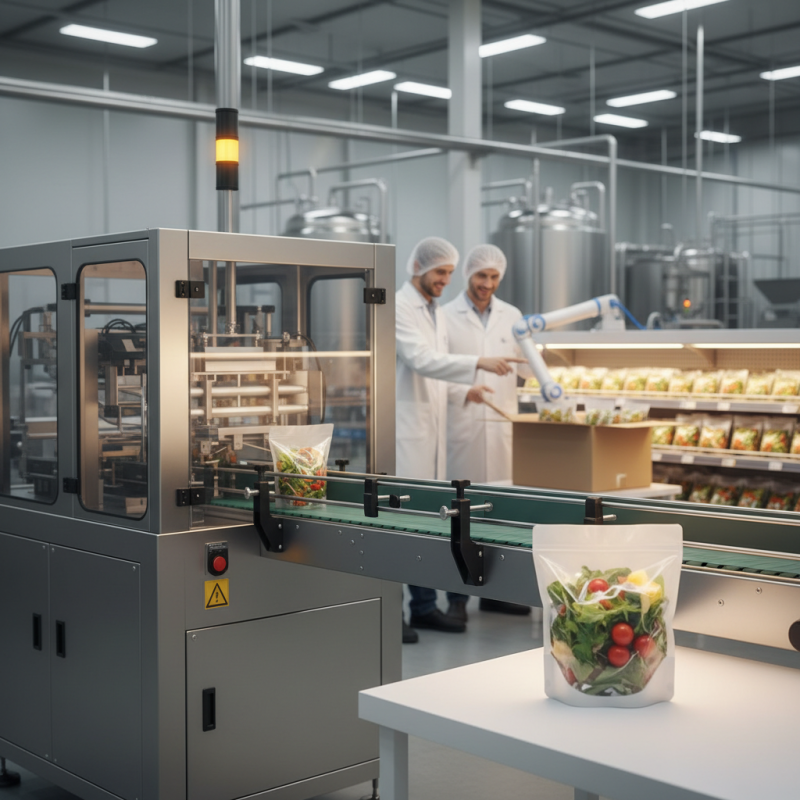
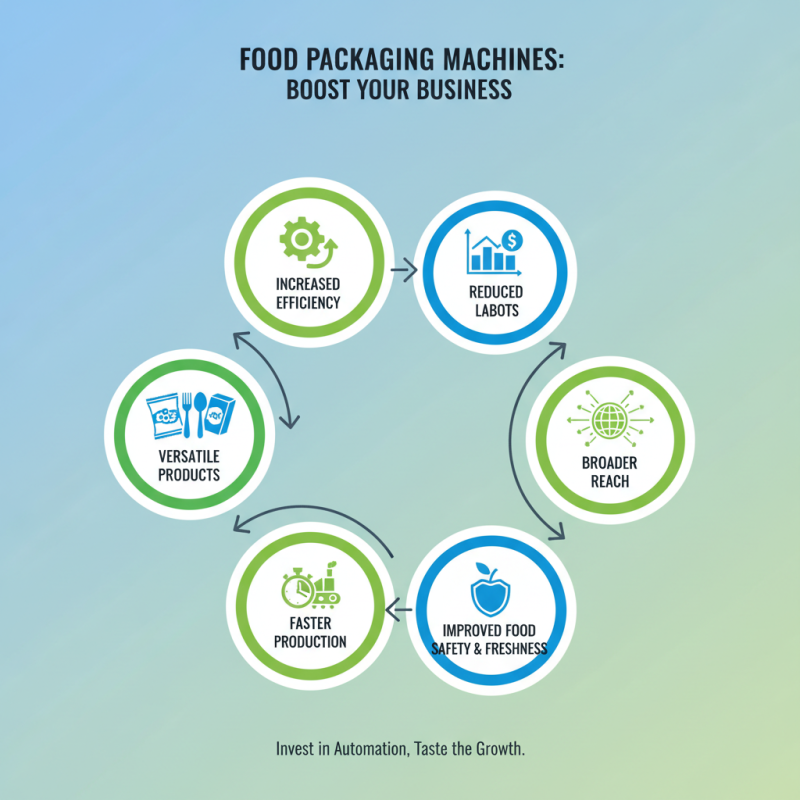
Investing in food packaging machines can significantly enhance your business. These machines improve efficiency and reduce labor costs. They can package a variety of products, from snacks to frozen meals. This versatility allows for greater market reach. With faster packaging, your production line can operate at higher capacities. Customers also appreciate well-packaged food, as it ensures safety and freshness.
Cost savings are another crucial benefit. While the initial investment may seem high, the long-term savings are often greater. Less manual labor means fewer errors and higher quality output. Additionally, modern machines require less maintenance, reducing downtime. However, not all machines are suited for every product. Careful selection is necessary to avoid potential losses.
Flexibility is vital in today’s market. A good packaging machine adapts to changing needs. You may find yourself needing to shift your offerings. In such cases, having the right equipment can be crucial. Yet, it's important to continuously evaluate the machinery's performance. Regular assessments can help identify areas for improvement. This reflective approach ensures that your investment remains valuable and effective.
In today's fast-paced food industry, investing in food packaging machines can boost efficiency significantly. Various types of machines are available to fit business needs. A recent report by Research and Markets states that the global food packaging machinery market is expected to grow at a CAGR of 5.2% from 2021 to 2026. This growth highlights the importance of modern packaging solutions.
Among the types of food packaging machines, vertical form-fill-seal machines are popular. They efficiently package products like snacks and cereals. Modified atmosphere packaging machines extend shelf life by replacing air with gases. This reduces spoilage rates, which can save considerable costs. Another option is vacuum packaging machines, which remove air and protect food quality.
Tips: Regular maintenance of packaging machines is essential. It prevents unexpected breakdowns and ensures consistent output. Staff training is also vital. Well-trained employees can operate machines efficiently, leading to less waste.
Understanding your product requirements can guide your choice. The price range for machines varies widely. Some affordable options might lack advanced features, which can limit long-term benefits. Careful consideration is needed when selecting equipment to avoid costly mistakes later on.
| Machine Type | Description | Advantages | Typical Applications | Price Range ($) |
|---|---|---|---|---|
| Vacuum Packaging Machine | Removes air from packaging to extend shelf life. | Improves food longevity and reduces spoilage. | Meats, cheeses, and marinated products. | 1,500 - 5,000 |
| Labeling Machine | Applies labels to food packages for branding and information. | Enhances brand visibility and compliance with regulations. | Bottles, cans, and boxes. | 2,000 - 15,000 |
| Filling Machine | Fills containers with food products accurately. | Ensures consistency and reduces waste. | Liquids, powders, and granules. | 5,000 - 20,000 |
| Shrink Wrapping Machine | Wraps food products in plastic film and uses heat to secure the seal. | Protects products from contamination. | Bakery items, trays of meat, and cheese. | 3,000 - 12,000 |
| Blister Packaging Machine | Creates plastic blisters to hold food items securely. | Enhances product display and prevents damage. | Snacks, candies, and small portions. | 7,000 - 25,000 |
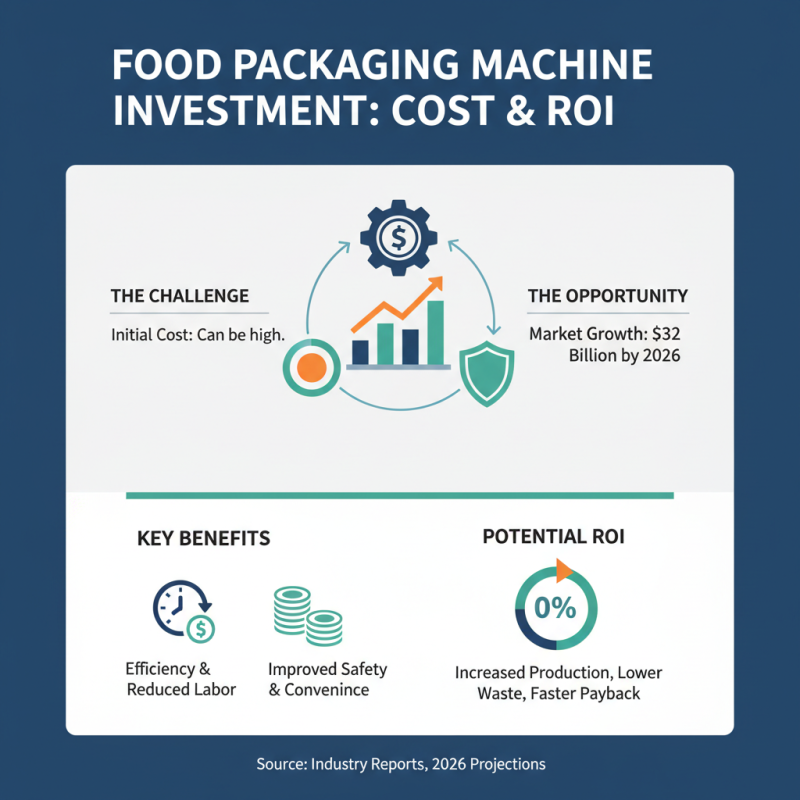
Investing in food packaging machines may seem daunting. Yet, understanding the cost and potential return on investment (ROI) is crucial. According to recent industry reports, the global food packaging machinery market is projected to reach $32 billion by 2026. Increased demand for convenience and safety drives this growth. Food packaging machines can improve efficiency and reduce labor costs.
A comprehensive ROI analysis shows that these machines can lower operational costs significantly. A properly utilized machine might cut packing time by 30%. This increases production rates. If your facility operates with three shifts, the gains can be substantial. However, upfront costs can be high, ranging from $25,000 to over $100,000, depending on complexity. Businesses often face the question of whether to lease or purchase outright.
Maintenance of these machines should also be factored in. Unforeseen breakdowns can result in unplanned expenses. Some equipment requires specialized training for staff, adding to overall costs. An analysis of long-term savings versus initial spending may reveal unexpected insights. This approach allows businesses to reflect on their operational strategies carefully. Do the benefits outweigh the risks?
Automation significantly transforms food packaging efficiency. According to the Food and Beverage Packaging Market Analysis, automation can boost production rates by up to 30%. This improvement allows businesses to meet rising consumer demands swiftly. In a world where speed is critical, automated machines can package products faster than manual labor. They reduce the margin of error as well.
However, it’s essential to consider the transition to automation carefully. Automation may require a hefty initial investment, leading some businesses to hesitate. While the rise in efficiency is appealing, it can also create employment concerns. Some workers may feel threatened by machines taking over. Thus, companies must manage these changes sensitively to maintain morale.
Despite the challenges, automated packaging machines enhance food safety. They minimize human contact, reducing contamination risks. A report from the Packaging Machinery Manufacturers Institute states that automation can decrease spoilage by 20%. Still, integrating new machinery can be complex. Training staff and adapting to new processes pose additional hurdles for businesses. It's crucial to reevaluate operations continually.
Modern food packaging machines bring significant sustainability benefits. They help reduce waste by utilizing materials more efficiently. Companies can now use biodegradable materials that break down naturally. This shift mitigates the environmental impact of traditional plastic waste, which can linger for centuries.
Investing in these machines also means using energy-efficient technologies. Many models require less energy, leading to lower operational costs. However, some businesses may hesitate due to the initial investment. The transition can feel daunting.
Balancing short-term expenses with long-term savings is a challenge.
Furthermore, innovative packaging solutions can enhance product shelf life. They prevent spoilage and reduce food waste. Yet, not all solutions are perfect. Some may still use chemical preservatives or contribute to emissions during production. This is an area that needs reflection.
Balancing innovation with environmental concerns must remain a priority as businesses evolve.