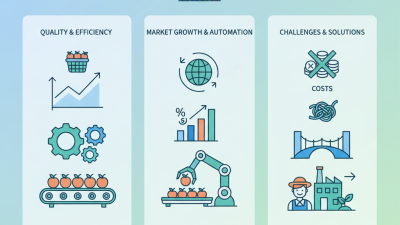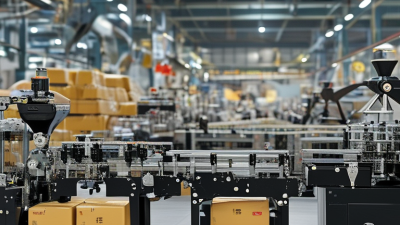
China’s meat-processing sector is moving from labor-heavy production toward cleaner, faster, and more consistent automation. A meatball maker machine now shapes uniform portions, controls weight, and supports continuous production. This matters in factories serving frozen-food brands, restaurants, and export markets.
Reports from Grand View Research and IMARC Group identify automation, hygiene, and processing efficiency as major growth drivers in global meat-processing equipment. Their market analyses also show rising demand for equipment that reduces labor dependence and improves output consistency. These findings support closer evaluation of Chinese suppliers. However, catalogue claims are not enough. Buyers should inspect forming accuracy, stainless-steel grades, production capacity, cleaning access, electrical standards, and after-sales support.
Food engineering authority Professor Da-Wen Sun has written, “Food quality and safety are major concerns in food processing.” His reminder applies directly here. A machine may produce 80 meatballs per minute, but poor temperature control can still damage texture and safety. Small details matter. Uneven filling. Difficult corners. Slow spare-parts delivery.
This guide reviews China’s top 10 meatball maker machine suppliers through a practical purchasing lens. It considers manufacturing experience, customization ability, documentation, testing, and customer service. Supplier rankings can never be perfectly objective. Factory scale may impress, yet real performance depends on product formulation and operating conditions. Prospective buyers should request sample trials, production videos, technical drawings, and references before making a final decision. In some cases, the cheapest quotation may become the most expensive choice.
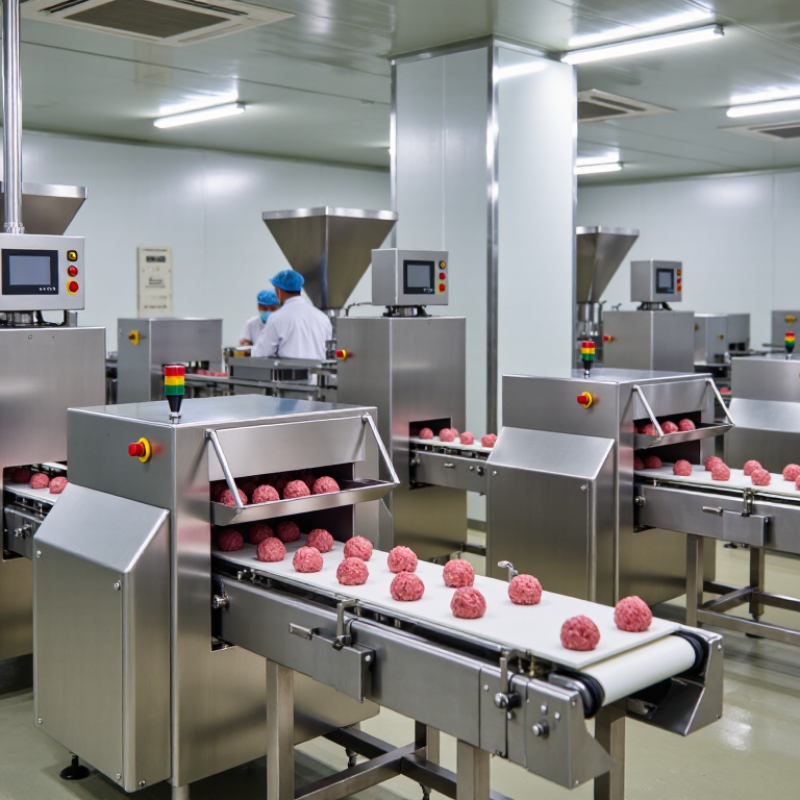
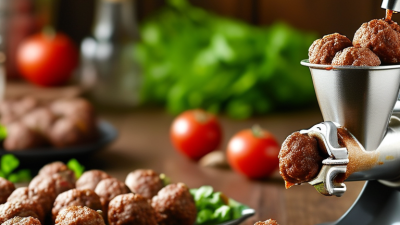
A meatball maker machine is a food-processing system that portions and shapes minced meat into consistent balls. Most models use a hopper, auger, forming drum, and discharge conveyor. The operator loads the mixture, adjusts the target weight, and monitors the output. Some machines produce chilled portions only, while integrated lines can cook, cool, and transfer them.
According to the FAO 2024 Statistical Yearbook, global meat production reached roughly 374 million tonnes in 2023. That scale increases demand for repeatable portion control. A machine can reduce uneven sizes, hand-contact risks, and production delays. PMMI’s 2024 State of the Industry report also identifies labor availability and efficiency as key reasons processors adopt automation. The figures sound convincing. Yet they do not guarantee a good result.
Performance depends on meat temperature, fat content, moisture, and seasoning viscosity. A machine rated for 3,000 pieces per hour may perform differently with sticky poultry or coarse beef. Cleaning design matters just as much. Smooth product-contact surfaces, tool-free access, and documented sanitation procedures support safer operation under food hygiene standards. In practice, operators should test weight accuracy, shape retention, and cleaning time before purchase. I have seen capacity become the main focus, although changeover time can matter more. A faster machine is not always the better machine.
China Top 10 Meatball Maker Machine Suppliers
Key Features and Types of Meatball Maker Machines
Meatball maker machines differ mainly by forming method, output, and control level. Manual models suit small kitchens and test production. They require more labor, but operators can adjust texture quickly. Semi-automatic machines combine a hopper with hand-assisted shaping. They often fit restaurants and small processors. Fully automatic models use continuous feeding, portioning, and forming. Some rotary systems produce uniform balls at high speed. Extrusion models handle softer mixtures more consistently. Vacuum-assisted designs can reduce air pockets and improve density.
According to the FAO Food Outlook 2023, global meat production was forecast at approximately 365 million tonnes. That scale increases demand for repeatable processing. PMMI industry reports also identify labor shortages and hygienic automation as major food equipment priorities. Useful features include stainless-steel food-contact parts, tool-free disassembly, adjustable portion size, and programmable speed. A clear safety interlock matters. So does drainage.
Capacity figures need careful reading. Advertised output may exclude filling, cleaning, or recipe changes. A machine claiming 3,000 pieces per hour may perform differently with chilled, sticky, or coarse mixtures. This is where practical trials help. Ask suppliers for sample tests, weight tolerances, and cleaning times. The best machine is not always the fastest. It should match batch size, product diameter, mixture temperature, and available labor. Overlooking these details can create waste, uneven cooking, and unnecessary maintenance.
How to Evaluate China’s Top Meatball Machine Suppliers
Choosing among China’s top ten meatball machine suppliers requires more than comparing catalog prices. Check the supplier’s production history, factory capacity, and engineering team. Ask for machine videos showing mixing, forming, and automatic portion control. A polished video is not proof. Request a live demonstration using your recipe, including meat temperature, moisture level, and target weight.
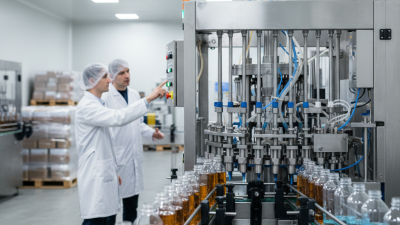
Examine every food-contact surface. Stainless steel should be clearly identified, easy to clean, and suitable for food processing. Confirm output per hour under real operating conditions, not only ideal laboratory data. Ask about forming accuracy, motor performance, spare parts, and delivery schedules. Reliable suppliers provide detailed drawings, manuals, electrical specifications, and remote troubleshooting. Independent inspection before shipment adds useful protection. Still, paperwork can be incomplete. Verify critical claims with samples and test records.
Tips
Compare three suppliers using the same questions and recipe. Visit the factory if possible. Watch operators change molds and clean the machine. This reveals practical design weaknesses. Ask for references from similar production lines, but review them carefully. A lower price may hide weaker motors, limited training, or expensive replacement parts. Confirm warranty coverage in writing, including response time and responsibility for defective components. Avoid choosing from appearance alone. Real performance matters more.
| Rank | Supplier Profile | Typical Machine Focus | Common Capacity Range | Meatball Diameter Range | Product Contact Material | Key Evaluation Evidence | Customization Capability | After-Sales Requirements | Evaluation Status |
|---|---|---|---|---|---|---|---|---|---|
| 1 | Supplier Profile 01 | Automatic forming and cooking line | Approximately 300–1,500 kg/h | Approximately 15–45 mm | Food-grade stainless steel; confirm grade | Factory audit, test video, material certificate, FAT | High; confirm mold and conveyor options | Spare-parts list, manuals, remote troubleshooting | Verify before ranking |
| 2 | Supplier Profile 02 | Vacuum forming machine | Approximately 200–1,000 kg/h | Approximately 18–50 mm | Stainless steel construction; verify contact parts | Vacuum-pressure test, product samples, CE file if required | Medium to high | Installation guidance and electrical drawings | Verify before ranking |
| 3 | Supplier Profile 03 | Small and medium-scale meatball former | Approximately 100–600 kg/h | Approximately 15–40 mm | Food-grade stainless steel; request surface-finish details | Capacity test using buyer’s recipe and raw material | Medium; mold replacement should be confirmed | Wear-parts availability and response-time commitment | Verify before ranking |
| 4 | Supplier Profile 04 | Forming, blanching, and cooling system | Approximately 300–1,200 kg/h | Approximately 20–50 mm | Stainless steel; verify hygienic design and weld quality | Line layout, thermal process data, sanitation procedure | High for integrated lines | Commissioning plan, operator training, maintenance schedule | Verify before ranking |
| 5 | Supplier Profile 05 | Frozen or chilled product forming equipment | Approximately 150–800 kg/h | Approximately 15–45 mm | Food-grade stainless steel; confirm low-temperature suitability | Recipe trial, temperature-control test, cleaning validation | Medium | Troubleshooting guide and replacement forming components | Verify before ranking |
| 6 | Supplier Profile 06 | Compact automatic meatball machine | Approximately 80–400 kg/h | Approximately 15–35 mm | Stainless steel; request food-contact declaration | Actual output test, power consumption, operating video | Low to medium | Clear warranty terms and accessible spare parts | Verify before ranking |
| 7 | Supplier Profile 07 | Multi-shape forming and portioning line | Approximately 250–1,000 kg/h | Approximately 15–60 mm | Stainless steel; verify interchangeable tooling | Tooling demonstration, portion-weight tolerance, FAT report | High | Training documents and tooling replacement support | Verify before ranking |
| 8 | Supplier Profile 08 | High-speed forming machine for continuous production | Approximately 500–2,000 kg/h | Approximately 20–55 mm | Food-grade stainless steel; confirm hygienic access | Long-duration run, yield data, downtime records, FAT | High for industrial applications | On-site commissioning and preventive-maintenance plan | Verify before ranking |
| 9 | Supplier Profile 09 | Custom turnkey processing solution | Project-dependent; commonly 300–1,500 kg/h | Project-dependent; commonly 15–60 mm | Specify grade, finish, seals, and weld standard in contract | Full technical proposal, layout, risk assessment, FAT/SAT | Very high | Project manager, installation scope, training, service SLA | Verify before ranking |
| 10 | Supplier Profile 10 | Entry-level forming and blanching equipment | Approximately 100–500 kg/h | Approximately 15–40 mm | Stainless steel; verify all food-contact components | Sample testing, electrical safety documents, cleaning trial | Medium | Basic manual, spare-parts quotation, warranty coverage | Verify before ranking |
| Buyer note: Capacity and diameter figures are typical procurement ranges for comparable meatball-forming equipment, not verified claims for any specific company or brand. Before purchase, request a production test using the buyer’s recipe, confirm food-contact materials, electrical standards, warranty terms, spare-parts availability, and applicable conformity documents. | |||||||||
China’s meatball maker machine suppliers serve restaurants, food factories, central kitchens, and frozen-food producers. The top 10 China-based suppliers usually offer forming, filling, cooking, and cooling equipment. Their product ranges may support beef, pork, fish, chicken, or plant-based mixtures.
Experienced buyers should inspect the machine in operation, not only study catalog photographs. Watch the hopper, forming drum, conveyor, and cleaning points. A stable machine should produce similar sizes during continuous testing. Ask for output data using your actual recipe. A mixture with high moisture may behave differently from a firm, chilled mixture. This detail matters.
Reliable suppliers normally provide stainless-steel construction, adjustable forming sizes, electrical documentation, and spare-parts guidance. Check welding quality around food-contact surfaces. Request records for factory testing, material certificates, and safety compliance for your target market. Clear answers are valuable. Vague promises are not.
After-sales support deserves careful attention. Confirm installation methods, response times, training hours, and remote troubleshooting procedures. Some China-based suppliers can customize voltage, conveyor length, mold size, and production layout. Customization can help, but it may increase maintenance difficulty. I would not choose the fastest machine automatically. Higher speed can create uneven shapes, more waste, or harder cleaning. A supplier willing to discuss these weaknesses often appears more dependable than one offering only perfect figures.
When comparing China’s top ten meatball maker machine suppliers, inspect more than hourly output. Ask for product samples using your actual meat mixture, including fat content, temperature, and seasoning. A machine producing 3,000 meatballs per hour may perform differently with sticky or coarse materials. Request stainless-steel grades, electrical standards, warranty limits, spare-part lists, and cleaning procedures. The FAO’s State of Food and Agriculture 2019 reported that 14% of food is lost between harvest and wholesale. Accurate portioning can reduce avoidable waste.
Installation deserves equal attention. Confirm floor drainage, power capacity, compressed-air requirements, and operator clearance before delivery. A practical acceptance test should measure weight variation, forming speed, reject rates, and emergency-stop response. Keep written records. Small details matter. WHO estimates that contaminated food causes about 600 million illnesses and 420,000 deaths globally each year. Therefore, hygienic design, tool-free access, and validated sanitation routines should influence supplier selection, not only price.
Maintenance planning should include daily disassembly, lubrication schedules, sensor checks, and replacement intervals for forming plates and seals. Ask whether technicians can provide remote training and clear troubleshooting videos. In my view, buyers often underestimate cleaning time; that assumption can damage real productivity. A cheaper machine may become expensive when parts are difficult to source. Still, supplier promises require verification. Review factory test reports, inspect weld quality, and discuss corrective actions after a failed trial.