
Top 10 Construction Adhesive Brands for Global Buyers
Construction Adhesive choices shape more than a bond. They affect installation speed, durability, and repair costs. A bead behind a wall panel may face moisture, vibration, or temperature swings for years. The right product depends on the substrate and the job—not just the brand name.
The market is growing, but estimates vary by scope. Grand View Research’s Construction Adhesives Market report valued the global market at about US$9.18 billion in 2022 and projected continued growth through 2030. That trend reflects demand from building, renovation, and infrastructure projects. It does not mean every product suits every site. Adhesives educator Dr. Dave Dunn’s technical guidance points to a practical rule: “Match the adhesive to the substrates and service conditions.” Buyers should verify product data sheets and test compatibility where failure would be costly.
This Top 10 guide compares global brands through practical criteria: product range, bonding performance, application needs, technical documentation, and regional availability. A product that works well on concrete may not suit a coated panel or a damp surface. Details matter. So do cure time and surface preparation. No ranking can replace a project-specific assessment, and brand reputation alone is not proof of suitability. The comparison is a starting point, not a specification.
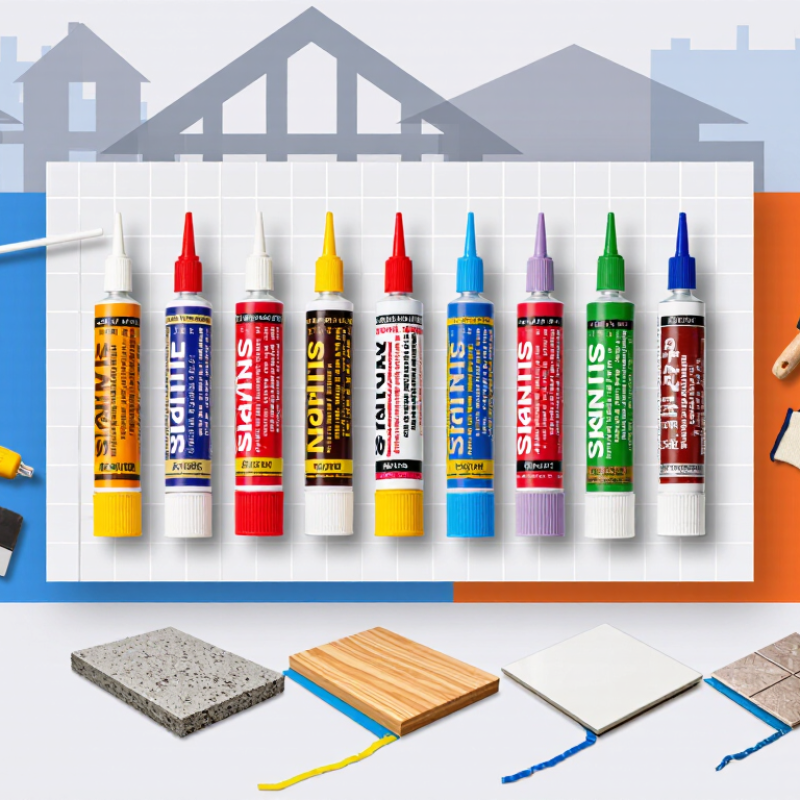
How Construction Adhesives Work and Where They Are Used
Construction adhesives join materials by creating a continuous bond between prepared surfaces. Some cure as water or solvent evaporates; others harden through chemical reactions or moisture exposure. Once cured, the bond can distribute stress across a wider area than a single fastener. It can also help limit air or water movement at joints.
Common uses include fixing floor coverings, bonding wall panels, attaching insulation, and sealing roof or façade assemblies. Adhesives also appear in interior trim and cabinetry. UNEP and the Global Alliance for Buildings and Construction reported in their 2024 Global Status Report that buildings and construction account for 32% of global energy demand and 34% of energy- and process-related carbon dioxide emissions. Adhesive selection alone cannot solve those challenges, but reliable joints can support durable, well-sealed building envelopes. A neat bead can still fail if the surface is dusty, damp, or incompatible.
Tips: Check the substrate, service temperature, moisture exposure, and expected load before choosing an adhesive. Follow the product’s surface-preparation and curing instructions. Small details matter. Field conditions are rarely perfect, so inspect a test bond when the materials or site conditions are unfamiliar.
Top 10 Construction Adhesive Brands for Global Buyers - How Construction Adhesives Work and Where They Are Used
| Adhesive Type | How It Works | Common Uses | Typical Substrates | Key Selection Considerations |
|---|---|---|---|---|
| Epoxy | A two-part resin and hardener react to form a rigid, cross-linked bond. | Concrete repairs, crack injection, bonding metal components, and structural repair systems. | Concrete, stone, metal, and some prepared composites. | Check the product’s approved use, mixing ratio, working time, moisture conditions, and temperature limits. Some formulations are not suitable for moving joints. |
| Polyurethane (PU) | Moisture-curing or two-component formulations cure into a polymer; some remain more flexible than rigid epoxies. | Bonding construction components, flooring work, panel installation, and selected joint applications. | Concrete, wood, metals, and certain plastics, depending on formulation. | Confirm substrate compatibility and whether the product is designed for bonding, sealing, or both. Cure rate and expansion vary by product. |
| Silicone | Typically cures when exposed to moisture in the air, forming an elastic silicone rubber. | Weather-sealing around windows, doors, façades, and sanitary fixtures; some specified glazing applications. | Glass, glazed surfaces, and selected metals or building materials. | Often selected for weather resistance and movement accommodation. It is not a substitute for a structural adhesive unless specifically engineered and approved for that purpose. |
| MS Polymer / Hybrid Polymer | Moisture-curing polymer forms an elastic bond and can combine adhesive and sealant functions in suitable products. | Interior and exterior panel bonding, trim installation, and sealing or bonding of building components. | Many porous and non-porous surfaces, subject to product testing and preparation. | Review the technical data sheet for primer requirements, paintability, exposure limits, and compatibility with plastics or coatings. |
| Water-Based Acrylic or Latex Adhesive | Water evaporates from the applied adhesive, allowing the polymer particles to form a bond. | Interior flooring, wall coverings, and other installation work specified for water-based adhesives. | Commonly porous surfaces such as concrete, wood, and gypsum-based materials. | Generally suited to dry, interior conditions unless the product states otherwise. Drying depends on airflow, temperature, and substrate porosity. |
| Solvent-Based Construction Adhesive | Solvent evaporation leaves a polymer or resin bond; some products use a contact-bonding method. | Selected trim, panel, and flooring installations where the product is specified. | Wood, some metals, masonry, and other listed materials. | Check ventilation, flammability precautions, solvent sensitivity, and local restrictions. Not every formulation is compatible with foam insulation or plastics. |
| Polyvinyl Acetate (PVA) Wood Adhesive | Water evaporates as the adhesive film forms between close-fitting wood surfaces. | Joinery, cabinetry, furniture assembly, and interior wood components. | Wood and wood-based materials. | Use the appropriate moisture-resistance classification for the intended exposure. Good fit and clamping are important; it is not intended for every exterior or structural application. |
| Cementitious Tile Adhesive (Thin-Set Mortar) | Cement hydrates after mixing with water; polymers in modified products can improve adhesion and flexibility. | Setting ceramic, porcelain, and stone tiles on floors and walls. | Concrete, cement backer boards, and other approved tile substrates. | Select according to tile type, substrate, location, and applicable installation standards. Follow water-mixing, open-time, and curing instructions. |
| Chemical Anchoring Adhesive | Resin injected into a drilled hole bonds a threaded rod or reinforcing bar to the surrounding base material as it cures. | Post-installed anchors in concrete or masonry when permitted by the design and product approval. | Concrete and, for approved systems, specified masonry units. | Use only in accordance with the relevant design, approval, hole-cleaning procedure, embedment depth, installation temperature, and cure-time requirements. |
| Cyanoacrylate (Instant Adhesive) | Rapidly polymerizes in the presence of small amounts of surface moisture, forming a thin bond line. | Small, quick repairs or assembly of compatible components; generally not a primary adhesive for large building joints. | Some plastics, rubber, and metals; compatibility varies substantially by formulation. | Usually best for small, close-fitting joints. Check gap-filling ability, impact and temperature resistance, and compatibility before use. |
Note: This table describes general adhesive categories, not individual brands or product specifications. Performance, cure time, approved uses, and substrate compatibility vary by formulation; always consult the manufacturer’s technical data sheet and applicable building requirements.