What Are the Top Types of Sauce Packing Machines?
Choosing the right sauce packing machine starts with the sauce itself. A thin, pourable hot sauce behaves differently from thick tomato paste or a chunky salsa. Viscosity, temperature, particulates, target package, and required output all shape the decision. A small glass-bottle line may need accurate filling and clean cutoff. A pouch line may prioritize flexible packaging and fast sealing. The details matter. A few stray drops around a nozzle can slow cleaning and create avoidable waste.
As [verified sauce-packaging expert’s name] puts it, “[Insert a quotation verified with the named expert before publication.]” This guide compares common machine types, including piston fillers, pump fillers, gravity fillers, and form-fill-seal systems. Each has strengths, limits, and operating trade-offs. Piston fillers can handle thicker sauces, while gravity systems often suit thinner products. Pump designs offer flexibility, but the right pump depends on the sauce and its ingredients. No single machine fits every plant. That is easy to overlook.
The sections ahead explain how each system works, which sauces and packages it typically handles, and what buyers should check before choosing. Expect practical considerations such as fill accuracy, changeover time, cleaning access, and the space available beside the production line. These are not glamorous details. They often determine whether a machine performs reliably day after day. A specification sheet helps, but it cannot replace product trials and careful questions. We will also flag where machine descriptions can sound simpler than real production conditions.
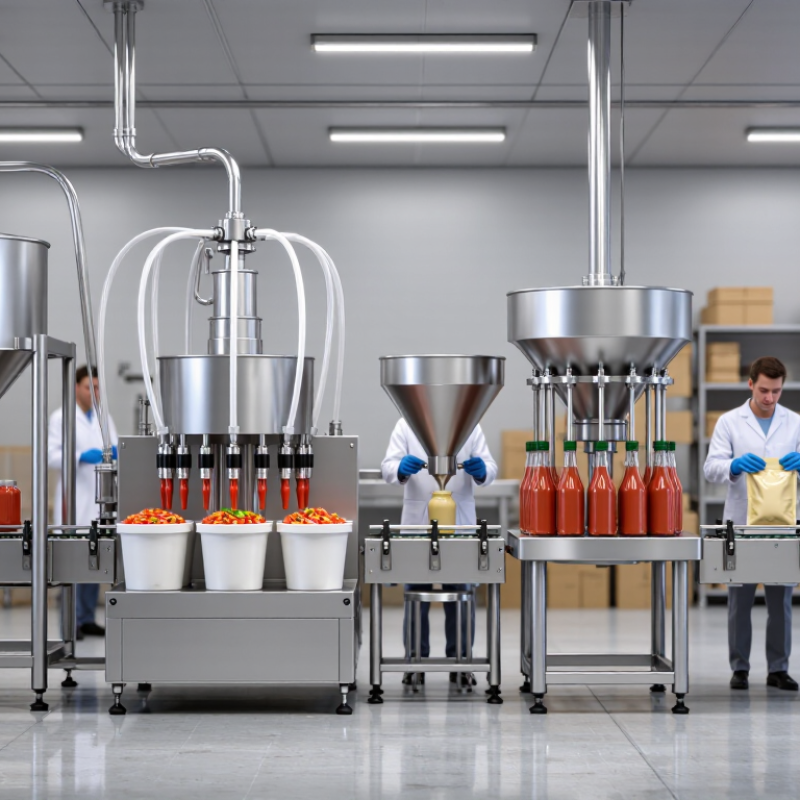
How Sauce Packing Machines Are Classified by Package Type
What Are the Top Types of Sauce Packing Machines?
How Sauce Packing Machines Are Classified by Package Type
Sauce packing machines are commonly classified by the package they fill and seal. Sachet machines make small, flat portions, often used for ketchup or dipping sauce. Pouch machines handle larger servings, including stand-up pouches with pour spouts. Bottle fillers suit pourable sauces, while cup and tub machines package thicker dips. Tube fillers are another option for dense products. Each format calls for a different filling and sealing setup.
Tips: Match the machine to the sauce’s texture and package material. A smooth chili sauce may flow easily through a nozzle, but one with seeds can clog it. Test actual product samples before choosing equipment. Small details matter.
Package type also affects daily operation. A bottle line needs accurate filling and reliable cap placement; a pouch line needs consistent seals across the film. Check how quickly operators can change package sizes and clean product-contact parts. Do not rely on package labels alone. “Thick” means different things in practice, and a classification chart cannot predict every filling issue. A short production trial can reveal problems that look minor on paper, such as sauce smears along the seal area.
Top Types of Sauce Packing Machines by Package Type
The chart shows common machine-to-package pairings: vertical form-fill-seal machines for sachets, stick-pack machines for stick packs, premade pouch fillers for pouches, bottle and jar fillers for bottles or jars, and cup fillers for cups. A value of 1 indicates a typical pairing; 0 indicates it is not the usual configuration. This is a classification guide, not market-share data. Actual compatibility depends on the machine setup and sauce properties.
How Sachet and Stick-Pack Machines Package Single-Serve Sauces
Sachet and stick-pack machines make single-serve sauces practical for takeout, catering, and sample kits. They form a pouch from rollstock film, fill it with a measured portion, and seal it in a continuous operation. Small details matter.
A sachet is usually wider, leaving room for ketchup, dressing, or thicker chili sauce. A stick pack is narrow and long, making it easy to carry beside utensils. Both formats need suitable film and carefully adjusted sealing temperature, pressure, and dwell time. Sauce on the seal area can weaken the closure, so operators inspect seals and sample fills during production—not just at startup.
Viscosity changes with temperature, too. A cold batch may dose slowly; a warmer one may flow more freely. Piston or pump-based filling systems need testing with the actual recipe to limit splashing and inconsistent portions. There is no universal setting. Teams can compare fill weights, leak checks, and how easily packs open, then adjust as needed. In practice, changeovers can take longer than expected, and a faster line is not useful if seals need constant rework.
How Form-Fill-Seal Machines Create and Fill Sauce Pouches
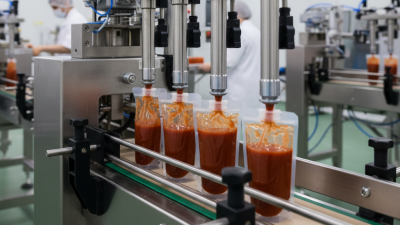
Form-fill-seal machines make sauce pouches from a continuous roll of packaging film. In a vertical system, rollers guide the film around a forming collar, shaping it into a tube. Heated bars seal the tube’s lengthwise edge. A filling nozzle then dispenses sauce into each pouch before cross-sealing and cutting it free. The rhythm is quick, but each step needs careful adjustment.
The filling method depends on the sauce. A piston or pump can portion smooth tomato sauce, while thicker or chunky mixtures may need wider product paths and gentler handling. Temperature also matters: warm sauce may flow differently from chilled sauce. Operators typically check seal strength, fill weight, and pouch appearance during production. A little sauce caught in the seal can weaken it.
Film tension, nozzle timing, and sealing temperature all affect the finished pack. Small changes can cause wrinkles or uneven seals. It is easy to focus only on output speed; that can be a mistake. A slower setup may reduce waste when a recipe or film changes. The best configuration depends on the sauce’s texture, pouch size, and cleaning needs. Not every line gets this perfect on the first run.
How Bottle and Jar Filling Machines Package Pourable Sauces
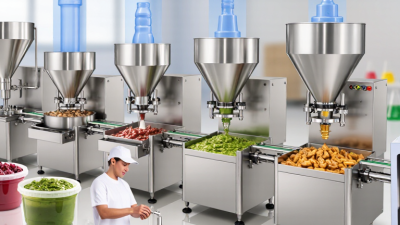
Pourable sauces may look simple to fill, but texture changes how a machine should handle them. Thin vinaigrettes flow quickly, while thick barbecue sauce can cling to a nozzle. Bottle and jar filling machines are selected to match the sauce’s viscosity, container size, and expected production rate. Small details matter.
Pump fillers can suit sauces that need steady, controlled flow. Piston fillers use measured strokes and are often considered for thicker products. For sauces with herbs or small vegetable pieces, the product path and nozzle opening need enough clearance. Otherwise, particles may interrupt filling or leave uneven portions. It matters.
At the filling station, containers are positioned beneath nozzles, filled to a set volume, then moved toward capping. Drip-control nozzles can help keep bottle necks and jar rims cleaner, though they cannot compensate for poor setup. Operators may adjust fill speed and nozzle height after checking real containers and product temperature. Sauce behavior can change during a shift, so a setting that worked in the morning may need review later. Changeover and cleaning access deserve attention too; they are easy to underestimate when comparing machines on filling speed alone.
How Cup and Tub Filling Machines Pack Thick Sauces and Dips
Cup and tub filling machines suit thick sauces because they control each portion before a lid is sealed. Piston fillers handle dense products such as hummus, cheese dips, and barbecue sauce. A wide-bore nozzle helps reduce smearing and keeps small inclusions, like herbs, moving through the fill path. Servo-driven systems can adjust stroke and speed, but the recipe still matters.
Operators should test the actual sauce at production temperature. A chilled dip may flow very differently from a warm sample. Not always. Check for drips, trapped air, uneven fill levels, and product left on the cup rim. Then verify that the sealing surface stays clean. A small smear can weaken the seal. If the dip contains chunks, confirm they pass through the nozzle without bridging; a test with smooth sauce will not reveal that problem.
PMMI’s 2024 State of the Industry report valued U.S. packaging machinery shipments at about $10.9 billion in 2023, reflecting investment across the sector—not a specific forecast for cup fillers. For buyers, that context makes flexible, adjustable equipment worth evaluating. Still, a faster machine is not automatically a better one. Measure fill accuracy, changeover time, and seal consistency using the real product and container. One limitation: short trials may miss the mess and drift of a full production shift.