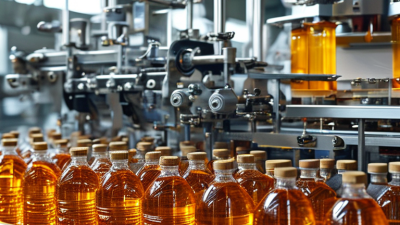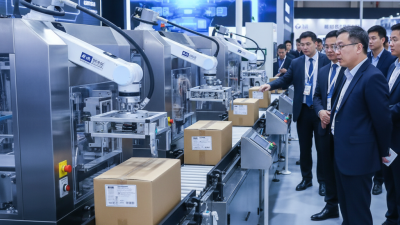
A bottle moving beneath a filling nozzle looks simple, but every drop affects cost, quality, and customer trust. A liquid packaging machine can deliver consistent volumes, cleaner handling, and faster production than manual filling. These benefits matter for water, sauces, beverages, cosmetics, and household liquids. However, automation is not automatically the right answer for every business.
Industry evidence supports careful investment. PMMI’s 2024 State of the Industry report highlights continued demand for automation, labor efficiency, and flexible packaging equipment. Grand View Research also identifies rising demand for liquid packaging, supported by convenience products and expanding food, beverage, and personal-care markets. Smithers’ packaging forecasts point toward stronger pressure for recyclable materials, reduced waste, and more efficient production lines. Together, these reports show a changing market, not a guaranteed return.
The practical question is more specific: can the machine match your liquid’s viscosity, container shape, filling speed, and sanitation requirements? A thin beverage may need a different pump than a thick shampoo. A small workshop may value quick changeovers more than maximum output. Operators should inspect nozzle accuracy, cleaning access, control systems, spare-parts support, and total ownership cost. A machine that fills 100 bottles per minute may still disappoint if setup takes an hour. That is easy to overlook. Energy use and packaging waste also deserve measurement, not assumptions. With verified production data and supplier guidance, choosing a liquid packaging machine can become a disciplined business decision rather than an expensive guess.
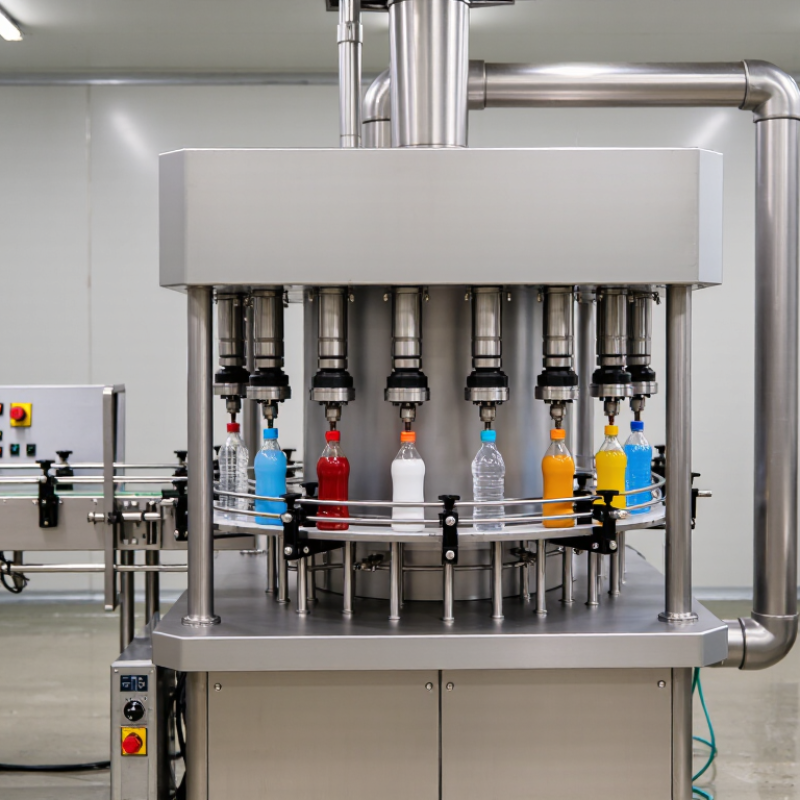
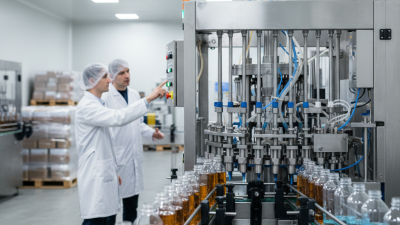
A liquid packaging machine is equipment that measures and fills liquids into containers. It can handle water-like fluids, oils, sauces, gels, and other products. The machine usually includes a product tank, pump, filling nozzles, controls, and a conveyor. Each part affects accuracy.
During production, the machine draws liquid from a holding tank. Nozzles then release a measured volume into bottles, jars, pouches, or other approved containers. Volumetric systems measure space, while flow-based systems measure movement. Piston fillers suit thicker products. Peristaltic pumps can reduce product contact with internal parts. The correct choice depends on viscosity, foaming, temperature, container shape, and output targets.
Small details matter. A foamy liquid may need slower filling or bottom-up nozzles. A sauce with particles may require wider product paths. Operators should check calibration, seals, hoses, and nozzle height during each shift. Cleanability also matters, especially where residue can remain around valves. In practice, real products often behave differently from laboratory samples. That is an easy mistake. Testing with the actual liquid and container can reveal leaks, splashing, or uneven fill levels before installation. Safety guards and documented procedures support dependable use, but they cannot replace trained inspection. A machine saves labor only when its settings match the product.
Common retail fill volumes across liquid product categories
Liquid packaging machines help businesses handle different product formats with consistent fill volumes, cleaner operation, and faster production. The chart shows commonly used retail package sizes; actual volumes may vary by market, formula, and packaging requirements.
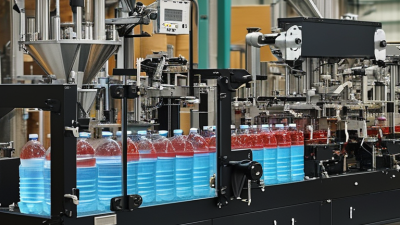
A liquid packaging machine moves a measured volume from a holding tank into each container. The process usually begins with a product-compatible hopper, fitted with an agitator when settling is possible. A pump or piston draws liquid through sanitary tubing. Sensors confirm container position before filling starts. Small details matter. Nozzle design, liquid temperature, and viscosity all affect accuracy.
When a bottle reaches the filling station, a control system opens a valve for a set time or volume. A flow meter tracks movement, while pistons rely on calibrated stroke length. Some systems fill from the bottom upward to reduce foaming. Others use diving nozzles for thicker products. After filling, the nozzle closes, and the container moves toward capping or sealing. Operators should check fill weights regularly, because a clean display does not guarantee correct output.
During changeover, workers drain lines, remove nozzles, and clean contact surfaces according to documented procedures. Calibration should match the container size, target volume, and production speed. A practical trial with the real liquid often reveals problems that water misses. Water is convenient, but it can mislead. Viscosity may shift with temperature, requiring slower pumping or longer settling time. Dripping, splashing, and uneven levels can still appear after adjustment. Trained checks remain essential for dependable packaging.
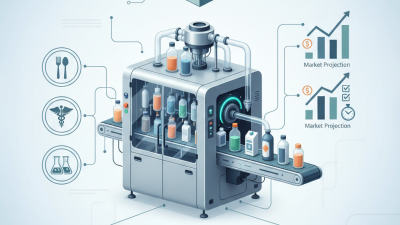
Liquid packaging machines can handle far more than bottled water. They package milk, juice, cooking oil, sauces, detergents, cosmetics, and many regulated healthcare liquids. Each product behaves differently. Water flows quickly, while syrup moves slowly and clings to filling nozzles. Foamy drinks need gentle filling. Chunky sauces require wider product paths.
The equipment choice should follow the liquid, not the container alone. A practical line may use piston, pump, gravity, or vacuum filling technology. Operators should check viscosity, temperature, acidity, foam, and suspended particles before selecting a system. Small details matter.
A warm oil may fill smoothly, but cool oil can slow production sharply.
Industry data supports careful investment.
PMMI’s 2024 State of the Industry report placed U.S. packaging machinery shipments above 10 billion dollars in 2023, showing strong demand for automated equipment. The World Health Organization also reports that contaminated food causes about 600 million illnesses annually, making hygienic filling and sealed packaging essential. These figures do not guarantee a successful installation. Poor cleaning access, inaccurate dosing, or unsuitable seals can still create waste. I have seen specifications look perfect on paper, yet fail during real production. Trial runs with the actual liquid remain necessary.
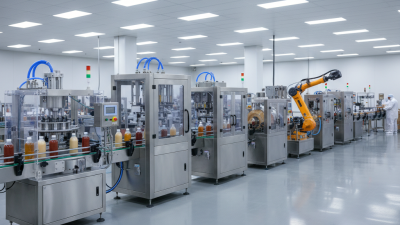
Liquid packaging machines provide practical benefits for businesses handling beverages, sauces, oils, cosmetics, and other fluid products. In production environments, they deliver consistent fill volumes with less variation than manual methods. A calibrated system can reduce product waste and protect profit margins. It also creates cleaner, more repeatable packaging lines.
Speed matters.
These machines can fill many containers within a controlled cycle, helping teams meet changing order volumes. Operators spend less time measuring and more time checking seals, labels, and container quality. Modern equipment often supports different bottle sizes and liquid viscosities through adjustable settings. That flexibility helps a growing business avoid buying a separate machine for every product.
Hygiene and traceability also improve when the equipment is designed for easy cleaning. Smooth contact surfaces, removable parts, and documented sanitation routines can reduce contamination risks. Accurate filling supports consistent customer experiences, while automated records may help managers review production performance. In my experience, small setup errors can still cause large losses. A loose nozzle, incorrect pressure, or poorly trained operator may create spills and inconsistent fills. Regular calibration and practical staff training remain essential. Machines do not replace judgment. They make good procedures easier to repeat.
Why Choose a Liquid Packaging Machine for Your Business?
How Should Businesses Choose the Right Machine?
Selecting a liquid packaging machine should begin with the product, not the price. Water-like liquids need different filling controls than syrups, creams, or products containing small particles. Measure viscosity, foaming behavior, temperature, and daily output before contacting suppliers. A machine that performs well in a test room may struggle beside a busy production line. Real conditions matter.
Review the container range carefully. Bottle neck size, shape, material, and closure type can affect filling accuracy and stability. Ask for sample trials using your actual liquid and containers. Check the results at slow, normal, and peak speeds. Watch for dripping, splashing, inconsistent levels, and difficult cleaning points. Small defects become expensive waste.
Operators also need practical controls, clear manuals, and accessible replacement parts. Select equipment with adjustable filling volume and suitable cleaning procedures. Materials touching the product should meet applicable food-contact or industry requirements. Confirm electrical safety, guarding, documentation, and local compliance with qualified specialists. Do not accept vague promises.
Budget calculations should include installation, training, maintenance, energy use, and downtime. A cheaper machine may create higher labor costs later. No machine is perfect. Even experienced teams can underestimate changeover time. Leave room for future products, but avoid paying for features nobody will use. A careful site assessment often reveals the better choice.
| Machine Type | Best Suited Liquids | Typical Fill Volume Range | Typical Filling Speed | Typical Accuracy | Main Advantages | Key Limitations | Suitable Business Stage |
|---|---|---|---|---|---|---|---|
| Overflow Filler | Low- to medium-viscosity liquids such as water-like beverages, shampoos, detergents and some sauces | Approximately 50 mL to 5 L per container | Approximately 20–120 containers per minute, depending on the number of filling heads and container size | Usually about ±0.5% to ±1.0% of the target fill level | Creates a consistent visible fill level; useful for transparent containers; relatively simple product changeover | Less suitable for highly viscous, foaming or particulate products; filling speed can be affected by product flow characteristics | Small to large operations requiring consistent shelf appearance |
| Piston Filler | Medium- to high-viscosity products such as creams, gels, pastes, honey, sauces and lotions | Approximately 10 mL to 10 L per container | Approximately 10–80 containers per minute | Usually about ±0.5% to ±1.0% of the target volume | Handles viscous products well; volumetric dosing is repeatable; suitable for many product consistencies | Moving parts require regular cleaning and maintenance; product changeover may take longer than with simpler systems | Growing businesses and established production lines with medium- or high-viscosity products |
| Peristaltic Filler | Low- to medium-viscosity liquids, sterile products, laboratory solutions and products requiring limited contact with machine parts | Approximately 0.1 mL to 1 L per container | Approximately 5–60 containers per minute | Often about ±0.5% to ±1.0%, depending on tubing condition and product properties | Product contacts only the tubing; tubing can support rapid product changeover; useful for hygienic or sensitive applications | Tubing is a consumable component; high-viscosity products and large fill volumes may reduce operating speed | Start-ups, laboratories and businesses prioritizing hygienic product handling |
| Gravity Filler | Free-flowing, low-viscosity liquids such as water, light oils and certain cleaning solutions | Approximately 50 mL to 20 L per container | Approximately 10–100 containers per minute | Usually about ±1.0% to ±2.0% of the target volume | Simple construction; relatively low purchase and maintenance costs; easy to operate | Fill accuracy depends strongly on liquid level, temperature and viscosity; generally unsuitable for thick products | Small businesses and cost-sensitive production environments |
| Time-Pressure Filler | Low- to medium-viscosity liquids, including products that may contain small amounts of foam | Approximately 10 mL to 20 L per container | Approximately 10–100 containers per minute | Often about ±0.5% to ±1.5% of the target volume | Flexible operation; can handle different container sizes; no piston cylinder is required for dosing | Accuracy may vary with product viscosity, air pressure and temperature; requires stable compressed air | Businesses needing flexibility across several container formats |
| Servo-Driven Volumetric Filler | Products requiring repeatable dosing, including beverages, personal-care liquids, oils, sauces and household chemicals | Approximately 5 mL to 20 L per container | Approximately 20–200 containers per minute, depending on configuration | Commonly about ±0.2% to ±0.5% under controlled operating conditions | Accurate electronic control; fast recipe changes; programmable motion profiles; suitable for automated production | Higher purchase cost; requires trained operators and planned maintenance; may be excessive for very low production volumes | Medium to large businesses seeking higher automation and consistent output |
| Selection Dimension | Questions to Ask | Recommended Decision Approach | Why It Matters |
|---|---|---|---|
| Product Viscosity | Does the liquid flow like water, or does it contain oils, gels, creams or pastes? | Choose gravity, overflow or peristaltic technology for free-flowing liquids; consider piston or servo-driven dosing for viscous products | Viscosity directly affects filling speed, accuracy, dripping and the required pump or dosing mechanism |
| Fill Volume | What are the minimum and maximum container volumes? | Select a machine whose dosing range covers all current sizes while allowing reasonable adjustment for future products | A machine operating near the middle of its dosing range generally provides more stable performance than one used at its limits |
| Required Output | How many containers must be filled per hour or per shift? | Calculate required output using planned production volume, operating hours, changeover time and expected downtime | Buying a machine that is too slow creates bottlenecks, while excessive capacity can increase unnecessary capital costs |
| Fill Accuracy | Are there legal, customer or material-cost requirements for dosing accuracy? | Use a more precise volumetric or servo-controlled system when product giveaway must be minimized | Consistent filling protects product margins, supports compliance and improves customer confidence |
| Container Format | Will the machine handle bottles, jars, pouches or containers with unusual shapes? | Confirm container dimensions, neck size, stability and indexing requirements before purchase | Container geometry affects nozzle positioning, handling speed and the risk of spills or misalignment |
| Foaming Behavior | Does the product foam during pumping or filling? | Evaluate bottom-up filling, diving nozzles, slower fill profiles or overflow technology where appropriate | Foam can cause underfilling, inconsistent appearance, product loss and longer settling times |
| Hygiene and Cleaning | How frequently must the product-contact path be cleaned or changed? | Prioritize hygienic design, accessible contact parts, clean-in-place capability or disposable tubing when appropriate | Effective cleaning reduces contamination risk and shortens changeover time |
| Automation Level | Will loading, filling, capping, labeling and inspection be manual, semi-automatic or automatic? | Match the filler with upstream and downstream equipment so that line speeds remain balanced | An isolated high-speed filler cannot improve total line output if other processes remain manual bottlenecks |
| Future Growth | Will product volume, container sizes or product varieties increase? | Consider spare filling stations, recipe storage, adjustable conveyor systems and modular expansion | Scalability can reduce the cost and disruption of future upgrades |
| Total Cost of Ownership | What are the costs of labor, utilities, consumables, maintenance, cleaning and downtime? | Compare the complete operating cost over several years rather than focusing only on the purchase price | A lower initial price does not always result in the lowest long-term packaging cost |
Note: The performance ranges shown are typical industry planning values. Actual results depend on liquid viscosity, temperature, foaming tendency, container design, filling volume, machine configuration, operator skill and line conditions. A product trial should be completed before final equipment selection.