2026 Top Vegetable Dryer Machine Suppliers for Global Buyers
Choosing a vegetable dryer machine in 2026 requires more than comparing prices, heating power, or attractive catalog photos. Global buyers need equipment that delivers stable moisture reduction, clean processing, and repeatable results across different vegetables. Carrots, onions, mushrooms, leafy greens, and chili peppers each respond differently to heat and airflow.
Food engineering authority Dr. R. Paul Singh has emphasized, “Drying must be controlled to preserve quality, not merely remove water.” That principle remains practical for every supplier evaluation. A reliable machine should offer adjustable temperature, consistent air circulation, food-grade contact surfaces, and accessible cleaning points. Energy efficiency also matters, especially for factories operating long production cycles.
This guide reviews leading vegetable dryer machine suppliers for international buyers. It considers manufacturing experience, drying technology, production capacity, customization, documentation, installation support, and after-sales service. Real performance deserves attention. A polished website proves little. Test reports, sample drying trials, factory inspections, and customer references provide stronger evidence.
Some suppliers may quote low prices. Hidden costs can appear later through unstable sensors, weak insulation, difficult maintenance, or delayed spare parts. That risk is easy to underestimate. Buyers should request clear specifications and confirm output using their own raw materials.
No supplier is perfect. Even advanced dryers can produce uneven results when loading is excessive or slicing thickness varies. Careful testing remains necessary. This overview aims to help importers, food processors, and distributors make a more informed choice. Quality, reliability, and technical honesty should guide the final decision.
What Is a Vegetable Dryer Machine and How Does It Work?
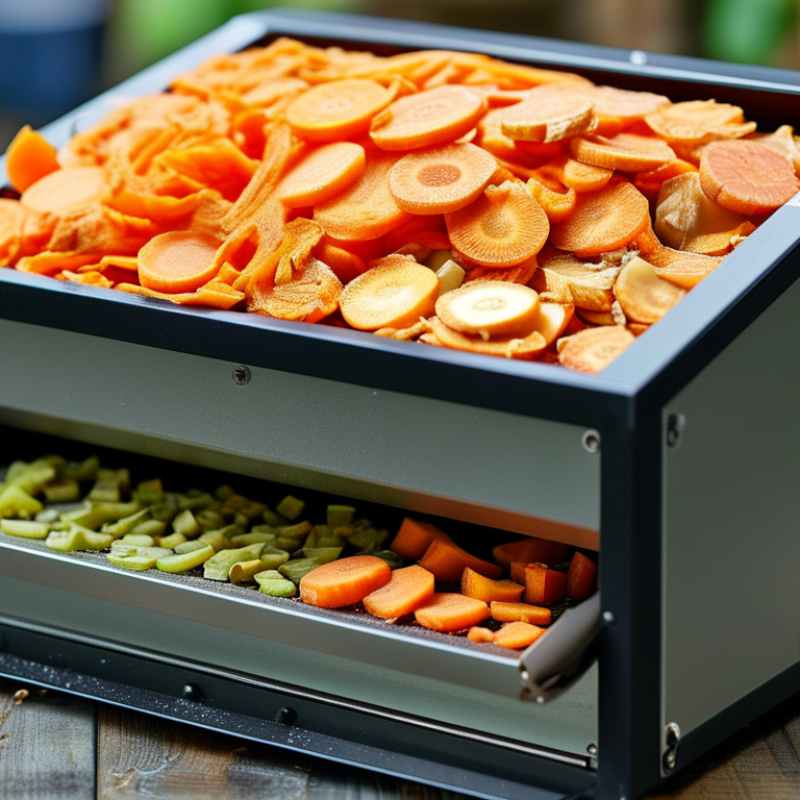
A vegetable dryer machine removes moisture from fresh produce through controlled heat and moving air. It helps preserve vegetables for longer storage and easier transport.
The machine usually includes a drying chamber, heating system, fans, trays, and temperature controls.
That sounds simple.
Operators place sliced vegetables on perforated trays or a moving belt. Heated air passes across each piece and carries moisture away. Air circulation must remain even, or thin slices may dry before thicker pieces.
Carrots
Onions
Mushrooms
Leafy vegetables
often require different temperatures and drying times.
Many machines operate between 40°C and 80°C, depending on the product and moisture level. Lower temperatures can protect color and aroma, while excessive heat may cause browning or a burnt taste.
Drying does not automatically sterilize food, so clean handling remains essential.
For global buyers, machine capacity, food-contact materials, insulation, cleaning access, and electrical standards deserve careful review.
A trial batch is more useful than relying only on a specification sheet. Measure weight loss, final texture, water activity, and energy use.
Results can vary. Climate, slice thickness, loading density, and local humidity can change performance.
I would also question claims of uniform drying without test records. A reliable supplier should explain airflow design, control accuracy, maintenance needs, and available technical support.
How to Evaluate Vegetable Dryer Suppliers in 2026
Choosing a vegetable dryer supplier in 2026 requires more than comparing catalog prices. Examine drying performance under real operating conditions. Ask for test data using carrots, onions, leafy vegetables, and sliced potatoes. Moisture reduction should be consistent across each tray, not only in a laboratory sample. Check airflow design, temperature control, insulation, and energy consumption. Request photographs of internal welds and food-contact surfaces. Stainless steel quality matters.
A reliable supplier should provide clear specifications, factory acceptance testing, installation guidance, and replacement-part support. Verify production capacity before paying a deposit. Ask whether technicians can troubleshoot sensors, fans, heaters, and control systems remotely. Customer references are useful, but request similar projects with comparable batch sizes. Documents should be traceable and current. Certifications alone are not enough. No scorecard is perfect. I would still inspect the factory when practical, because polished documents can hide weak assembly details.
Tips: Compare moisture uniformity, not just drying speed. Request a sample trial with your actual vegetables. Measure noise, power use, and cleaning time. Clarify warranty exclusions in writing. Ask for a spare-parts list. Leave room for human error; operators may load trays unevenly, and the machine should tolerate that reality. A supplier willing to discuss limitations often deserves closer attention.
How to Evaluate Vegetable Dryer Suppliers in 2026
This procurement benchmark assigns 100 percentage points across the main factors global buyers should review. Product quality and temperature control receive the highest weighting because uniform moisture, color retention, and nutrient preservation directly affect dried-vegetable quality.
Global Buying Factors: Quality, Compliance, Cost, and Logistics
For global buyers, a vegetable dryer should be judged beyond its heating capacity. The FAO reported that 13.2% of food was lost before retail in 2021, highlighting the value of stable drying control. A reliable machine should maintain even airflow, temperature accuracy, and repeatable moisture results. Uneven slices should not leave wet centers or brittle edges. Ask suppliers for batch records, moisture-test methods, and sample trials using your vegetables.
Compliance protects both product quality and market access. Equipment should support hygienic design, cleanable contact surfaces, and documented food-safety procedures. Codex General Principles of Food Hygiene, revised in 2022, emphasizes hazard control and verification across food operations. Buyers should also review electrical certificates, material declarations, and conformity documents required in the destination market. Traceability matters. However, certificates alone do not prove factory performance.
Cost calculations must include energy use, labor, spare parts, installation, and downtime. A lower quotation can become expensive when heating recovery is poor or replacement fans are unavailable. The IEA continues to identify industrial efficiency as a major route for reducing energy demand, so suppliers should provide measured consumption data, not estimates. Logistics also deserves careful checking. The World Bank’s 2023 Logistics Performance Index shows how customs, infrastructure, and shipment reliability affect international delivery. Request export packaging details, lead times, insurance terms, and remote commissioning support. I would still allow contingency time; real shipments rarely follow the first schedule. Freight surprises hurt.