Top Tips for Choosing the Best Food Processing Machine?
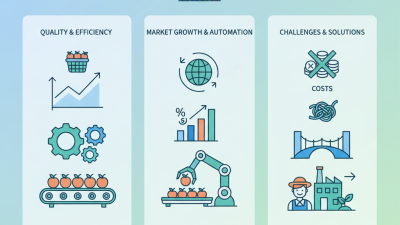
When selecting the right food processing machine, understanding industry insights is essential. According to a report by Mordor Intelligence, the global food processing machinery market is expected to reach USD 30 billion by 2025, indicating a growing demand for efficient food solutions. This growth emphasizes the critical need for manufacturers to invest in reliable machinery that meets their operational requirements.
Expert in the food processing sector, Dr. Julia Harper, notes, “Choosing the right food processing machine can significantly enhance productivity and food quality.” Her perspective highlights the intricate relationship between machine selection and overall operational efficiency. Factors such as machinery durability, versatility, and ease of maintenance should be considered carefully.
Yet, it’s important to remain cautious. Not all machines are created equal; the market is filled with options that may not live up to expectations. Buyers should look beyond flashy features and focus on the core needs of their operations. Reflecting on past purchases can reveal lessons learned about quality versus cost. Choosing the right food processing machine could be the difference between success and inefficiency in the competitive food industry landscape.
Understanding Your Food Processing Needs and Objectives
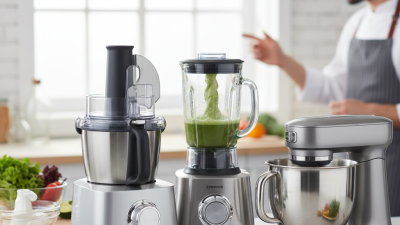
Choosing the right food processing machine starts with a clear understanding of your needs. Are you a small restaurant owner or a large-scale producer? Knowing your production volume can guide your decision. For small batches, a compact machine may suffice. Larger operations often require more robust equipment. Reflect on your common tasks, such as chopping, mixing, or pureeing. This can help narrow down the options.
Evaluate the specific ingredients you typically process. Different machines excel with various food types. For example, a high-powered blender is great for smoothies but may struggle with dough. It’s crucial to assess whether you need a versatile machine or specialized ones tailored for certain tasks. Also, consider the ease of cleaning and maintenance. A machine that's difficult to clean can lead to inefficiencies and food safety concerns.
Think about your budget, too. Investing in quality equipment often saves money over time by reducing repairs and downtime. However, it shouldn’t be a source of financial strain. Research user reviews and seek professional advice to gauge reliability. Always remember that your chosen machine should enhance efficiency while meeting your culinary goals. Balancing quality and cost is essential for long-term satisfaction.
Evaluating Different Types of Food Processing Machines
When evaluating different types of food processing machines, consider the specific needs of your kitchen or production line. Data from market research indicates that the global food processing equipment market is projected to reach $100 billion by 2026, reflecting a growing demand for efficient and versatile machines. This demand is driven by trends in food safety and rising consumer expectations for product quality.
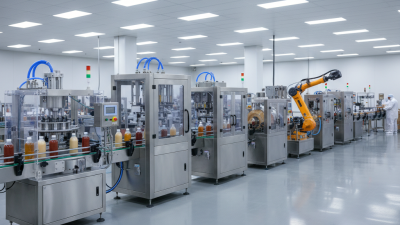
Different machines serve various functions, from chopping and slicing to mixing and blending. For instance, industrial food processors often prioritize speed and durability, as 80% of food manufacturers report that efficiency directly impacts their profit margins. On the other hand, home processors may focus on compactness and ease of cleaning. It is also essential to remember that a cost-effective machine is not always the best choice. Regular maintenance and the cost of replacement parts can quickly add up.
Choosing the right machine can be challenging. Many users overlook energy consumption rates, which can significantly affect operational costs. According to a 2022 report from industry experts, energy-efficient machines can reduce energy costs by up to 30%. Taking these factors into account will help ensure your investment pays off in the long run while meeting your specific food processing needs.
Key Features to Consider When Choosing a Machine
When selecting a food processing machine, it's crucial to consider various key features. Power and efficiency stand out. A machine with the right motor capacity can significantly impact processing speed. A powerful motor can handle tough ingredients without overheating. It’s essential to ensure that the machine can maintain performance, even during long usage sessions.
User-friendliness is another vital aspect. Consider how easy it is to operate. Machines with intuitive controls can reduce the learning curve. Look for clear markings and well-designed layouts. Safety features are important too. A reliable machine should include guards to prevent accidents. It’s worth reflecting on your kitchen environment and workflow to ensure every feature aligns with your needs.
Durability is often underestimated but critical in investment decisions. Consider the materials used in construction. Stainless steel options toughen the machine against wear and tear. However, always research the brand's history of reliability. Some machines might look sturdy but may not hold up over time. This reflection can save you from costly repairs or replacements.
Top Features to Consider When Choosing a Food Processing Machine
Assessing Budget and Cost-Effectiveness of Food Processors
When choosing a food processing machine, assessing your budget is crucial. According to a recent industry report, nearly 45% of small food businesses struggle to find affordable options without sacrificing quality. Setting a clear budget allows you to identify machines that offer the best value. A careful examination of production costs can reveal potential long-term savings, particularly through energy-efficient models, which can reduce operational expenses by up to 30%.
Cost-effectiveness goes beyond just the initial purchase price. Maintenance and repair costs also play a significant role. An analysis indicated that businesses often underestimate these expenses, leading to financial strain. Regular maintenance can extend a machine’s lifespan and prevent costly breakdowns. An investment in durable machines with lower maintenance needs could save significant sums over time, with reports suggesting savings of about 20% annually for those who prioritize reliability.
Additionally, consider the machine's performance capabilities. Some lower-cost options may not deliver the efficiency you expect. Investing a little more in a machine that performs well can drastically impact productivity. Balancing upfront costs with potential operational efficiencies is key. Many businesses have found that the right equipment can ultimately pay for itself over time.
Researching Brands and Reviews for Reliable Options
When selecting a food processing machine, thorough research is vital. Understanding brands and reading reviews can guide you toward reliable options. Dive into user experiences to gauge the performance of different machines. Look for detailed reviews on multiple platforms. Real user stories can reveal both strengths and weaknesses of a product.
Evaluate the specifications carefully. Focus on features that matter most to you, whether it's speed, size, or versatility. Don't shy away from questioning whether you need all these features. Sometimes, less is more. Refining your choices can help narrow down what's truly essential for your kitchen.
Explore professional opinions as well. Experts often have insights that an average user might overlook. They can help highlight potential pitfalls you may not have considered. A machine may look great on paper but might not perform well in practice. Keeping an open mind can lead you to a better choice.
Top Tips for Choosing the Best Food Processing Machine
| Feature |
Description |
Importance Rating (1-5) |
| Motor Power |
Higher power for better performance and durability |
5 |
| Capacity |
Volume of food the machine can process in one go |
4 |
| Ease of Cleaning |
Parts that can be easily detached for cleaning |
5 |
| Material Quality |
Durable materials to withstand frequent use |
5 |
| Versatility |
Ability to perform multiple functions like slicing, chopping, and blending |
4 |
| Safety Features |
Automatic shut-off, safety locks, etc. |
5 |
| Warranty |
Length and terms of warranty provided by the manufacturer |
4 |