Top Automatic Liquid Packaging Machines for Efficient Production Solutions?
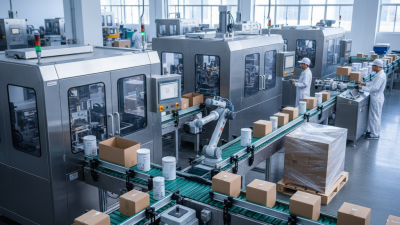
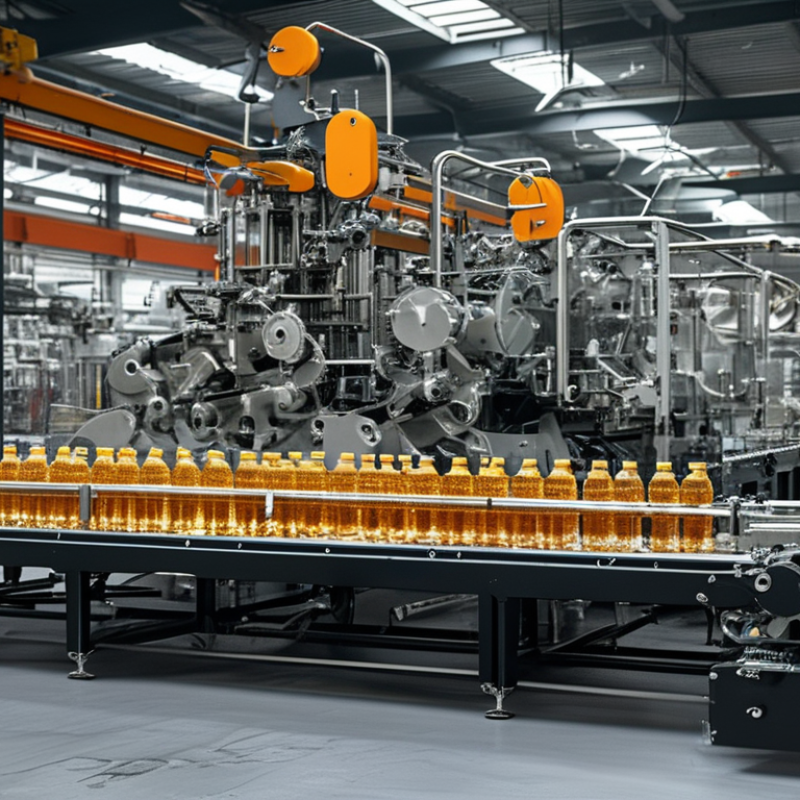
In today’s manufacturing landscape, efficiency is paramount. An automatic liquid packaging machine is a critical asset for businesses aiming to improve productivity and reduce costs. These machines streamline the packaging process, ensuring that liquids, such as beverages or sauces, are securely sealed and ready for distribution.
The rise of automatic liquid packaging machines marks a significant shift in production methods. These machines not only enhance speed but also minimize human error. However, choosing the right machine can be a challenge. Variations in design and functionality mean that companies must carefully assess their needs. Many manufacturers offer advanced features that promise high efficiency. Yet, some machines may not meet all operational demands.
Investing in an automatic liquid packaging machine demands careful consideration of various factors. Understanding the type of liquids being packaged, speed requirements, and budget constraints is essential. This evaluation helps companies avoid costly mistakes. Striking a balance between automation and manual oversight can often lead to greater efficiency. As technology evolves, so too must the strategies for implementing these machines in production lines.
Overview of Automatic Liquid Packaging Machines
Automatic liquid packaging machines play a crucial role in streamlining production processes across various industries. According to a recent market analysis, the global liquid packaging market is projected to reach $400 billion by 2025, driven by the increasing demand for packaged beverages and food products. The efficiency of these machines directly impacts production speed and accuracy, essential factors for profitable operations.
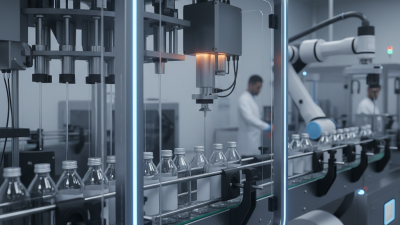
Modern technologies enhance the capabilities of these packaging systems. Most machines can handle multiple container types, including bottles, pouches, and cartons. With advanced sensors and automation, production lines can operate with minimal human intervention. This feature not only optimizes labor costs but also reduces human error, ensuring a consistent quality of packaging. However, businesses must continuously assess these systems for maintenance needs. Neglect can lead to significant downtime.
Additionally, while these machines offer many advantages, they also come with challenges. The initial investment can be substantial. Companies must consider factors like compatibility with their product and volume requirements. Regular upgrades may also be necessary to keep pace with market demands. Balancing these aspects remains critical for manufacturers committed to leveraging automatic liquid packaging technology.
Key Features of Efficient Liquid Packaging Solutions
Efficient liquid packaging solutions are essential for modern production lines. These machines should combine speed, accuracy, and flexibility. An automatic liquid packaging machine must have the ability to handle various container sizes. This versatility allows manufacturers to adapt quickly to changing market demands.
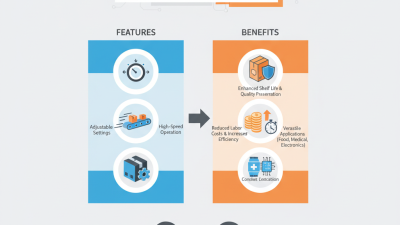
Key features to consider include reliable filling systems that minimize waste. An efficient machine would not compromise on speed while ensuring precise filling levels. Additionally, user-friendly interfaces can simplify operation. Operators should easily adjust settings without extensive training. High-quality materials in construction can also enhance durability, reducing maintenance costs over time.
However, there are challenges. Not all machines guarantee consistency, which can lead to variability in packaging. Manufacturers must regularly monitor machine performance to identify issues early. Regular maintenance checks help prevent unexpected downtime. Ultimately, investing in the right features for liquid packaging machines can enhance overall production efficiency.
Types of Automatic Liquid Packaging Machines Available
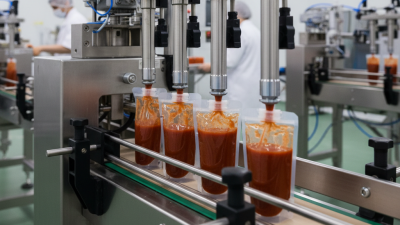
When considering automatic liquid packaging machines, understanding the types available is crucial for efficiency. Various machines cater to different production needs. For instance, horizontal form-fill-seal machines support streamlined operations. These machines produce and fill pouches in one continuous motion, which enhances productivity. They are ideal for liquids that require minimal handling during the packaging process.
Another option is the vertical form-fill-seal machine. This machine is often used for small to medium-sized packages. It vertically fills bags with liquid, reducing the footprint in a production area. Users appreciate the versatility of these machines, as they can handle various packaging materials. However, they may lack the speed of horizontal alternatives.
Dosing systems are also vital components in this landscape. These systems ensure precise liquid measurements before filling. Accuracy is essential in maintaining product quality. However, integrating these systems may involve initial challenges. Not every operator finds it easy to calibrate them correctly. It's an aspect worth considering when investing in packaging solutions.
Top Automatic Liquid Packaging Machines for Efficient Production Solutions
| Machine Type |
Packaging Speed (Bottles/min) |
Filling Volume (ml) |
Container Types |
Suitable Liquids |
| Gravity Filler |
10-30 |
50-1000 |
Glass, Plastic Bottles |
Oils, Juices |
| Piston Filler |
20-50 |
100-5000 |
Plastic Bottles, Pouches |
Sauces, Creams |
| Auger Filler |
15-40 |
50-2000 |
Bags, Jars |
Powders, Granules |
| Overflow Filler |
25-60 |
100-2000 |
Cans, Jars |
Liquid Foods, Alcohol |
| Trigger Filler |
10-25 |
50-1500 |
Plastic Bottles, Tubes |
Liquids with High Viscosity |
Benefits of Using Automatic Liquid Packaging Systems
Automatic liquid packaging systems offer numerous benefits for modern production lines. Efficiency is crucial. These machines can significantly increase output, with reports indicating that automated systems can raise production capacity by up to 50% compared to manual methods. This is particularly important in industries where time-to-market is a key factor. Quick product turnover can lead to increased sales and better shelf availability.
Another critical advantage is consistency in packaging quality. Automated systems reduce human error, ensuring uniformity in fill levels and seal integrity. A study revealed that companies using automated packaging saw a 30% decrease in product wastage due to inconsistent sealing. This consistency not only improves customer satisfaction but also builds brand reliability over time.
However, implementing these systems requires careful consideration. Initial investments can be substantial, and ongoing maintenance is necessary. It's crucial to analyze the return on investment. Many companies struggle with this balancing act. Despite the challenges, the ongoing trend shows that automated systems will likely dominate the packaging landscape in the coming years, making them a vital consideration for businesses looking to remain competitive.
Factors to Consider When Choosing a Packaging Machine
When choosing an automatic liquid packaging machine, several critical factors deserve attention. Efficiency is paramount. Industry reports indicate that top-performing machines achieve speeds of over 200 packages per minute, significantly enhancing production output. However, it's essential to evaluate whether such speed aligns with your production needs. A machine that is too fast may lead to errors or product wastage.
Flexibility is another important consideration. The ability to handle different package sizes and liquid types can provide significant advantages. A versatile machine can adapt to changing market demands, reducing downtime from adjustments. Data from industry trends suggest that companies using flexible packaging solutions see a 30% increase in operational efficiency. Yet, managing multiple configurations can pose challenges. Ensuring the staff is well-trained in handling various setups is critical.
Lastly, reliability plays a vital role. Downtime can be costly, sometimes accounting for 20% of production losses. Machines with robust maintenance support and proven durability often yield the best long-term investment. However, some users report difficulties with maintenance schedules, leading to unexpected breakdowns. It's beneficial to research past performance records and user reviews. This will help you make a more informed decision.
Top Automatic Liquid Packaging Machines Efficiency Comparison