Best Meat Dicer Machine for Efficient Food Processing?
In the ever-evolving food processing industry, efficiency is paramount. A meat dicer machine offers a solution that can transform food preparation. According to a report by IBISWorld, the meat processing industry generates over $67 billion annually in the U.S. alone. This reflects a heightened demand for tools that enhance productivity and consistency in meat processing.
Adopting advanced equipment is crucial for maintaining competitive edges. Meat dicer machines reduce labor time significantly. They can process large quantities of meat quickly and uniformly. However, the selection of a suitable machine can be challenging. Quality and durability vary widely among brands. An informed decision is essential for achieving optimal results.
Moreover, with the industry pushing towards automation, understanding specifications becomes vital. Not all machines meet the necessary food safety standards. Selecting certified options can prevent costly compliance issues. Quality assurance should not be overlooked in food processing. Thus, knowing what to prioritize when choosing a meat dicer machine is critical for success in today’s market.
Overview of Meat Dicer Machines and Their Importance in Food Processing
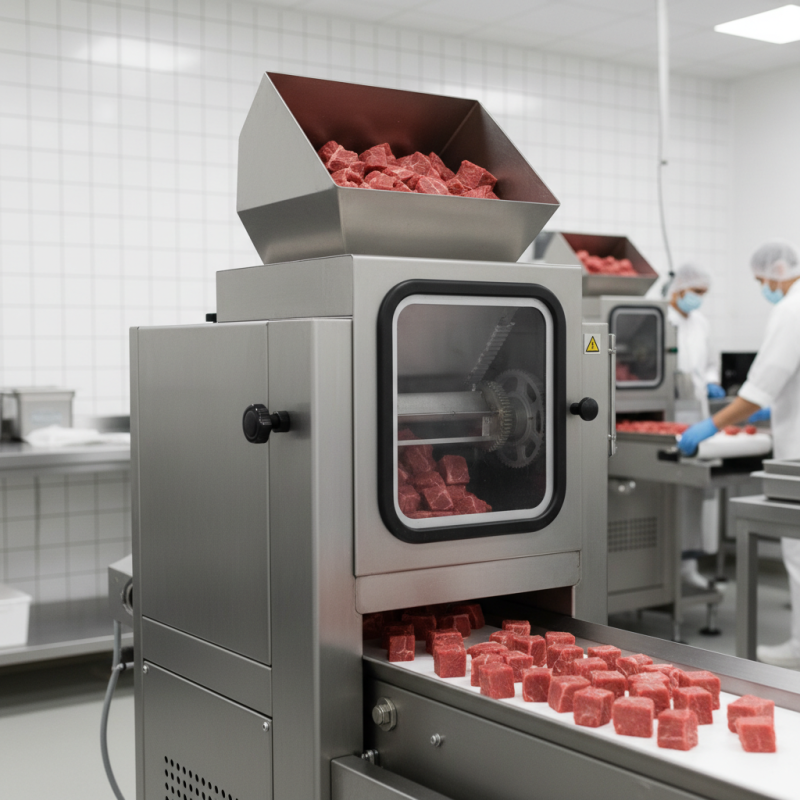
Meat dicer machines play a vital role in food processing. They offer efficiency and precision that is hard to achieve by hand. These machines can quickly dice various types of meat, ensuring consistent sizes. This uniformity improves cooking times and enhances the overall presentation. Moreover, a meat dicer connects to the larger theme of food safety. It minimizes the risk of contamination by reducing human handling during the preparation process.
When considering a meat dicer machine, it's crucial to assess factors like size and capacity. Some machines fit well in small kitchens, while others cater to larger operations. The choice often depends on the volume of meat processed daily. Reflecting on the strengths and weaknesses of each model is essential. Understanding maintenance needs is also important. Without proper care, even the best machines can develop issues. This could lead to inefficient processing and wasted resources.
User experience is another key aspect. Feedback from chefs and food processors often highlights the practicality of design. Some machines may fall short in ease of use or cleanup. Evaluating these features allows for informed decisions. The goal is not just to save time, but also to enhance food quality and safety in any commercial kitchen.
Best Meat Dicer Machine for Efficient Food Processing
| Model |
Dicing Capacity (kg/h) |
Cut Size (mm) |
Power (W) |
Weight (kg) |
Material |
| Model A |
500 |
10 |
750 |
30 |
Stainless Steel |
| Model B |
700 |
8 |
1000 |
40 |
Aluminum |
| Model C |
450 |
12 |
600 |
25 |
Plastic |
| Model D |
600 |
15 |
800 |
35 |
Stainless Steel |
Key Features to Consider When Choosing a Meat Dicer Machine
When selecting a meat dicer machine, key features play a significant role in ensuring efficient food processing. Look for models that offer various cutting sizes. This flexibility allows your preparation to suit different recipes. A user-friendly design can also enhance your experience, especially during busy kitchen hours.
Durability is essential. Stainless steel components often ensure longevity and easy cleaning. Check the power of the machine as well. A higher wattage generally equates to better performance, slicing through tougher cuts effortlessly.
Tips: Test the machine's noise levels before you buy. A quieter unit can make a big difference, especially in a commercial setting. Consider reading customer reviews for real-life insights into performance. This feedback often highlights potential flaws or advantages that may not be obvious from product descriptions.
Comparison of Popular Meat Dicer Machines on the Market
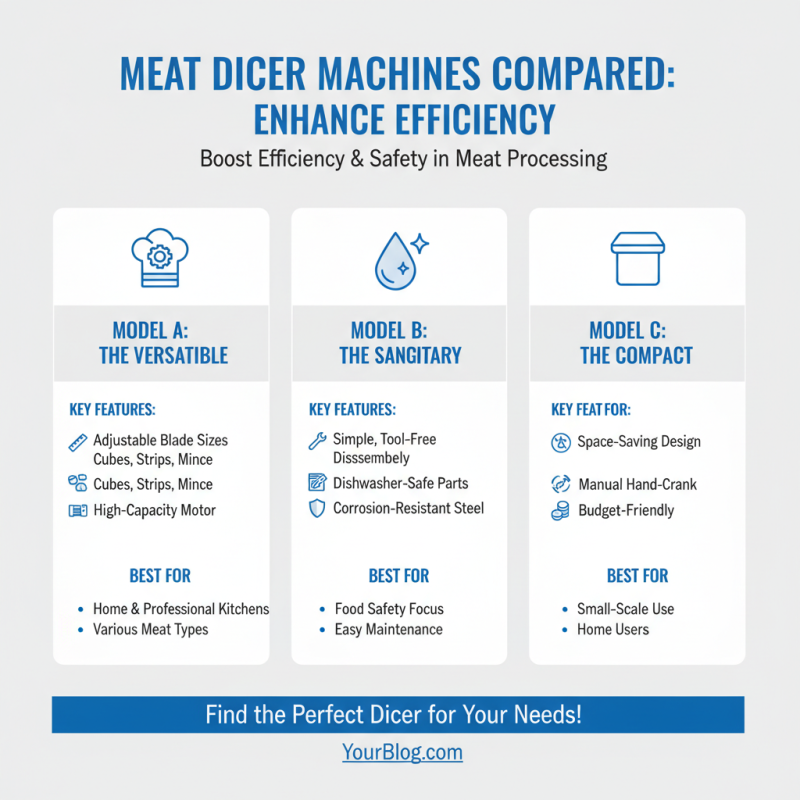
When it comes to meat processing, choosing the right dicer machine can enhance efficiency significantly. Various models on the market offer different features. For example, some machines provide adjustable blade sizes, allowing customization for various dishes. This versatility is useful in both home kitchens and professional settings. Additionally, a straightforward design can facilitate easy cleaning and maintenance, which is crucial for food safety.
The most popular options often vary in processing speed. Certain machines can dice meat in under a minute, saving precious time in meal prep. However, speed shouldn’t compromise consistency; some users report uneven cuts with faster models. Weight and size also play a role. Heavier machines may provide stability but can be challenging to store. Lightweight options, while easier to move, might not withstand heavy use.
Users should also consider noise levels during operation. Some machines operate quietly, allowing for a more pleasant cooking experience, while others can be quite loud. This aspect is especially important in busy kitchens. Reflecting on these details can lead to a more informed purchase and better food processing outcomes.
Benefits of Using a Meat Dicer for Commercial and Home Kitchens
In both commercial and home kitchens, efficiency is key.
A meat dicer can significantly streamline food preparation. This machine quickly dices meat into uniform pieces, enhancing presentation and cooking uniformity. Whether you're preparing for a busy service or a family meal, time savings are invaluable.
Using a meat dicer can also minimize food waste. Uniform cuts mean more even cooking, and less scrap. When pieces are equal in size, they absorb flavors better. A meat dicer creates consistency in your dishes, impacting taste positively.
Tips: Always choose fresh meat for best results. Ensure the dicer is clean and well-maintained to prevent cross-contamination. Experiment with different textures by adjusting your cutting technique. This journey into dicing may reveal unexpected challenges. Some meats may clog the machine. Adjust your expectations, and learn from each attempt.
Maintenance and Care Tips for Optimal Performance of Meat Dicer Machines
Maintaining a meat dicer machine is crucial for its efficiency. Regular cleaning is essential to prevent cross-contamination. Ensure you wipe down all surfaces after each use. This simple step can extend the life of the machine. Neglecting to clean can lead to bacteria buildup. That's a risk no one should take.
Routine inspections can catch small issues before they become big problems. Check the blades for any signs of wear. Dull blades can affect the quality of your meat processing. Sharpening the blades might be necessary. It's an important task that shouldn't be overlooked.
Lubricating moving parts is another key aspect of maintenance. Use food-safe oils to ensure safety. A well-lubricated machine runs smoothly and quietly. However, too much oil can attract dust and debris. It’s a balance that requires attention. Keeping an eye on these details enhances performance and longevity. Regular maintenance is not just a suggestion; it's a necessity.