What is a Food Processing Machine and How Does it Work?
In the evolving realm of food production, the significance of a food processing machine cannot be understated. According to Dr. Emily Chen, a renowned food technology expert, “These machines are the backbone of modern food manufacturing.” They enhance efficiency, ensure safety, and help maintain quality. With the rise of global food demand, understanding these machines becomes crucial.
Food processing machines come in various types, each serving a unique function. From mixers and grinders to packaging machines, each plays a vital role. These machines streamline production, yet they can add complexity. Maintaining and operating them requires specialized knowledge. This highlights the need for skilled professionals in the industry.
Moreover, while technology drives progress, challenges persist. Issues like maintenance and the need for frequent updates can hinder efficiency. Industry experts emphasize the importance of ongoing training and innovation. As we explore the mechanics of food processing machines, reflecting on their benefits and limitations can help us leverage their potential effectively.
Definition of Food Processing Machine
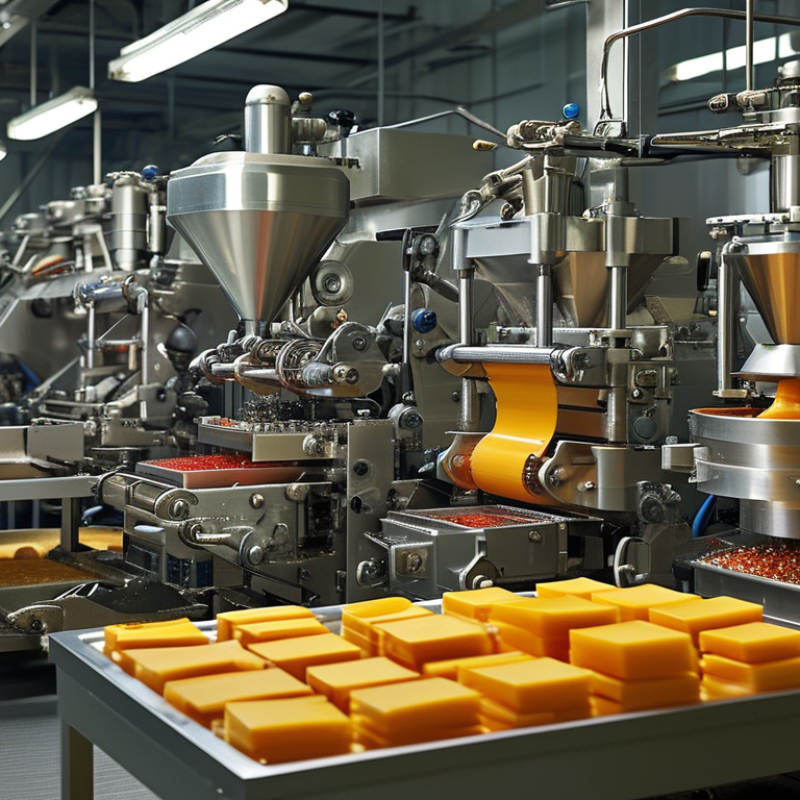
A food processing machine is a vital piece of equipment used in the food industry. It simplifies complex tasks. This type of machinery is designed to prepare, process, and package food products efficiently. It includes blenders, mixers, slicers, and packaging machines. These machines can handle various tasks, such as chopping vegetables or sealing food for preservation.
Understanding how these machines work is crucial. They typically use mechanical, thermal, or chemical processes to modify food. For instance, a blender combines ingredients into a smooth mixture. A slicer evenly cuts products, ensuring uniformity. Each machine has its specific purpose, making food production faster and more consistent. However, reliance on technology can lead to issues. Machines may malfunction or produce inconsistent results. Seeking regular maintenance is important for optimal performance.
Training personnel on proper usage enhances safety and productivity. While automation streamlines operations, human oversight remains vital. A balance between machine efficiency and human skills is necessary. Recognizing potential flaws in machines or processes introduces room for improvement within the industry. This critical reflection can lead to advancements in technology and product quality.
Types of Food Processing Machines and Their Applications
Food processing machines come in various types, each designed for specific applications in the food industry. For instance, mixers churn ingredients together, ensuring even distribution of flavors. These machines are vital in bakeries, where consistent dough texture is crucial. Slicers, on the other hand, create uniform cuts of fruits, vegetables, or meats. This not only enhances presentation but also ensures even cooking.
Blenders are essential for creating smoothies or sauces. They transform solid ingredients into liquid form through high-speed blending. In contrast, dehydrators remove moisture from food to prolong shelf life. This can be a complex process, requiring careful temperature management. If done incorrectly, the flavors can be altered. Each machine plays a role in the overall processing chain, but each requires skilled operation to maximize efficiency.
While machines simplify food processing, the human touch remains important. Understanding how to operate these machines effectively is crucial. Missteps in handling can lead to waste or quality issues. Training will enhance the reliability of the output. Ultimately, investing in the right machinery is essential, but ongoing education is just as vital.
Key Components and Mechanisms of Food Processing Machines
Food processing machines are essential in the culinary world. They come with a variety of components designed for different tasks. Key parts include cutting blades, mixers, and heaters. Each component works in harmony to transform raw ingredients into finished products. The cutting blades chop ingredients efficiently, while mixers blend them uniformly. Heaters are vital for cooking or sterilizing food to ensure safety.
Understanding the mechanisms of these machines requires attention to detail. The motor powers the blades and mixers, which can be adjusted for speed. Controls allow operators to set precise temperatures and mixing times. However, some machines may malfunction, causing inconsistent results. Maintenance is crucial to prevent these issues and ensure optimal performance.
Food processing machines also rely on safety features. Emergency shut-off switches and safety guards protect operators. Yet, not all machines implement these features effectively. Users must stay aware of potential risks while operating them. With proper care, food processing machines enhance efficiency in the kitchen.
What is a Food Processing Machine and How Does it Work? - Key Components and Mechanisms of Food Processing Machines
| Component |
Description |
Function |
Example Machines |
| Feeder |
A mechanism that supplies raw materials to the processing machinery. |
Ensures a continuous flow of ingredients for processing. |
Bowl cutter, mixing machines |
| Mixer |
A device that blends different food items uniformly. |
Achieves homogeneous textures and flavors in food products. |
Industrial mixers, planetary mixers |
| Heater |
Equipment that raises the temperature of food products. |
Facilitates cooking and pasteurization processes. |
Steamers, ovens, pasteurizers |
| Packing Machine |
A machine that packages finished products for distribution. |
Ensures product safety and enhances shelf life. |
Vacuum packers, labeling machines |
| Conveyor System |
A mechanical system that moves products through various stages. |
Facilitates efficient transportation of materials. |
Belt conveyors, roller conveyors |
Steps Involved in the Food Processing Operation
Food processing involves several critical steps that ensure the quality and safety of the final product. The first step is raw material selection. Choosing high-quality ingredients is essential. This choice affects flavor, nutrition, and safety. It’s a challenge to find sources that meet these standards.
Once the materials are selected, cleaning follows. This step often involves washing and peeling to remove dirt and contaminants. Some might overlook the importance of thorough cleaning. Skipping this can lead to foodborne illnesses. After cleaning, the next stage is often cutting or grinding. This prepares the food for cooking or further processing. Precision here is key; inconsistent sizes can affect cooking times and texture.
Processing may include cooking, pasteurizing, or freezing. Each method has specific requirements. It's crucial to monitor temperatures and timings closely. Even minor errors can ruin a batch. Finally, packaging ensures product preservation and safety. Creating attractive and functional packaging demands creativity and knowledge. Overall, food processing is meticulous. Each step plays a crucial role in delivering safe and high-quality food to consumers.
Importance of Food Processing Machines in the Food Industry
Food processing machines play a vital role in the food industry. They streamline production, enhance efficiency, and ensure food safety. According to a report by the Food Processing Machinery Market, the global market is projected to reach $75 billion by 2025. This growth highlights their increasing importance in meeting rising food demand.
These machines automate various processes, such as mixing, cooking, and packaging. Automation reduces labor costs and improves consistency in products. The significant volumes processed can lead to economies of scale, making food more affordable for consumers. However, with advanced machinery, the need for skilled operators arises. Training staff to operate complex machines is essential for optimal production.
When investing in food processing machines, consider local regulations and safety standards. Regular maintenance is crucial to ensure longevity and prevent accidents. Evaluate the efficiency of your current machinery. If it's showing signs of inefficiency, it may be time to upgrade. Technology is rapidly evolving, and staying updated is beneficial for competitiveness in the market.