What Is a Snack Packaging Machine and How Does It Work?
Snack foods move quickly from production lines to crowded retail shelves. That speed creates demanding packaging requirements. According to Grand View Research’s Snack Food Market Size, Share & Trends Analysis Report, 2024–2030, rising snack consumption is supporting continued investment in efficient packaging systems. A snack packaging machine helps manufacturers weigh, fill, seal, inspect, and label products with consistent accuracy. It is not simply a faster bag maker.
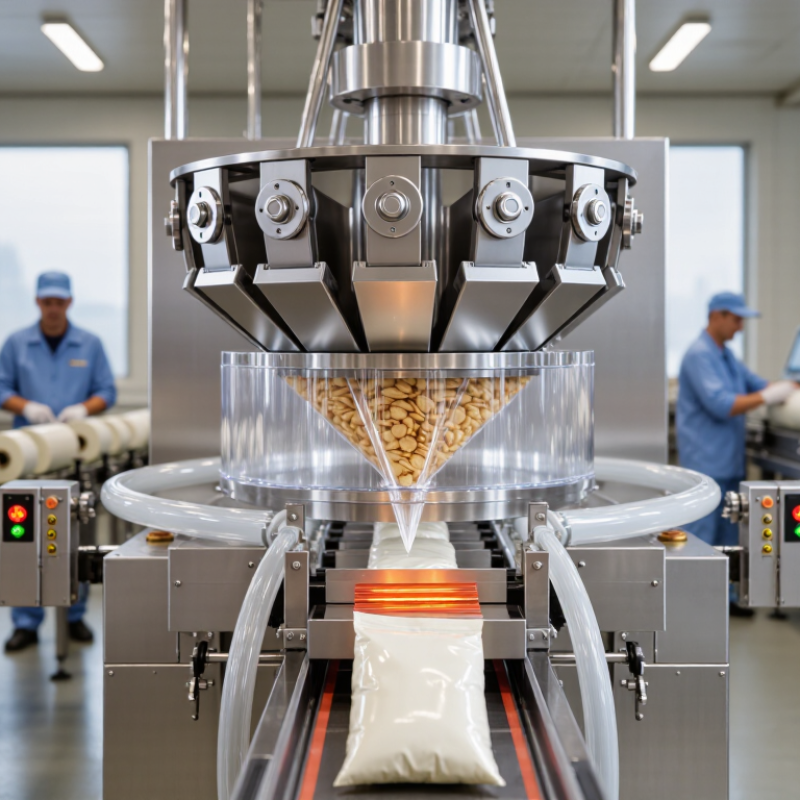
The process begins with product feeding. Potato chips, nuts, crackers, or granola enter a controlled hopper. A multihead weigher measures each portion. The system then drops the product into preformed bags or rolls of flexible film. Vertical form-fill-seal equipment shapes the film, creates a bottom seal, releases the measured snack, and closes the package with heat. Sensors monitor film position, temperature, and sealing pressure. Some lines also include checkweighers, metal detectors, date coders, and vision inspection.
Small adjustments matter.
PMMI industry research, including its reports on packaging machinery and automation, identifies flexibility, labor efficiency, and smart monitoring as major equipment priorities. These needs are visible on the factory floor. A weak seal can expose chips to moisture. An inaccurate weighment can increase giveaway. A poorly aligned film can stop production.
However, automation does not remove every risk. Product shape, oil content, dust, film structure, and sealing temperature can change performance. Operators still need practical experience, sanitation discipline, preventive maintenance, and validation records. This guide explains what a snack packaging machine does, how its main components work together, and where real-world limitations deserve closer attention.
Machine Scope: VFFS Snack Packers Commonly Reach 30–200 Bags per Minute
What Is a Snack Packaging Machine and How Does It Work?
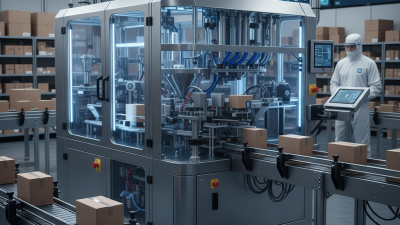
A snack packaging machine forms, fills, and seals bags from one continuous film roll. In a vertical form-fill-seal system, film passes over a forming collar and becomes a vertical tube. A weighing unit measures snacks, then releases them into the tube. Heated sealing jaws close the top and bottom, while a cutting blade separates each finished bag. Sensors monitor film marks, product flow, and sealing position during production.
Machine Scope: VFFS Snack Packers Commonly Reach 30–200 Bags per Minute
Most VFFS snack packers operate between 30 and 200 bags per minute. Lower speeds suit fragile chips, irregular pieces, or frequent product changes. Higher speeds require stable weighing, consistent film tension, and reliable sealing. A 100-bag-per-minute setting sounds impressive, but it depends on bag size and snack density. A small bag may run faster than a large, heavy pouch.
Production teams usually check seal temperature, jaw pressure, film alignment, and scale calibration before running continuously. They also inspect sample bags by hand. A clean seal should resist gentle pulling without crushing the snack inside. Moisture, oil, dust, and uneven product distribution can reduce performance. The specification sheet can mislead. Reaching 200 bags per minute may require ideal conditions, skilled adjustment, and minimal stoppages. That assumption deserves review. Real output is often lower when operators change films or refill product.
Product Feeding: Multihead Weighers Portion Snacks with 10–20 Heads
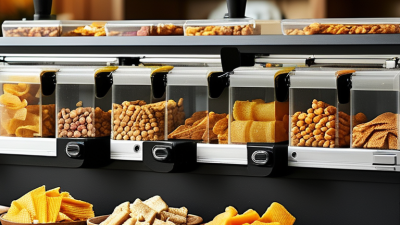
A snack packaging machine often begins with a multihead weigher. This system uses 10–20 weighing heads above the packing line. Each head holds a small amount of chips, nuts, cereal, or similar snacks. Load cells measure every portion in real time. Software then selects a combination that reaches the target weight. The chosen heads discharge together into the bag maker. It is fast, but not careless.
The number of heads affects speed, flexibility, and product handling. More heads create more possible combinations, especially when snack pieces vary in size. Smithers’ food and beverage packaging research projects this packaging market to exceed 700 billion dollars by 2028. That growth increases pressure for accurate, automated portioning. PMMI industry reports also identify labor availability and automation as major packaging concerns. However, a high head count cannot fix poor product flow. Sticky seasoning, broken pieces, or uneven feeding may still create weight errors. Small changes matter. Operators should check actual giveaway, not only machine speed.
Tips: Keep the feed hopper evenly filled. Set vibration gently before increasing speed. Check sample weights during every product change. Clean contact surfaces often, because oil and seasoning can affect flow. A 10-head system may suit fragile products, while a 20-head system may support higher output. The best choice depends on product shape, target weight, and acceptable giveaway. Data helps, but production experience still needs a place.
Bag Formation: Film Rolls Become Pillow, Gusseted, or Quad-Seal Bags
A snack packaging machine converts a flat film roll into a sealed bag around measured product. The process is precise, but not effortless. Flexible Packaging Association’s 2024 State of Flexible Packaging report valued the U.S. market at approximately $40.8 billion in 2023. That scale reflects strong demand for efficient film-based packaging.
Inside a vertical form-fill-seal machine, rollers pull the film downward. A forming collar shapes it around the product tube. Longitudinal seals create the back seam, while heated jaws produce the top and bottom seals. Simple pillow bags use one central fold. Gusseted bags add folded side panels for extra volume. Quad-seal bags create four distinct corner seals, improving shelf stability and presentation. Temperature, pressure, dwell time, and film tension must remain balanced. A small adjustment can cause wrinkles, weak seals, or product leakage. Sensors also check film registration and bag length during production.
Tips: Match the forming set to the film structure. Test seal strength after changing speed. Keep jaw surfaces clean. The first trial is rarely perfect. Packaging professionals should record actual settings, product weight, and failure points. PMMI’s recent packaging machinery research highlights automation, changeover speed, and waste reduction as major operational priorities. Yet faster production can expose poor setup discipline. A practical operator still watches the seal area, not only the control screen.
Filling and Nitrogen Flushing Target Residual Oxygen Below 2%
What Is a Snack Packaging Machine and How Does It Work?
Filling and Nitrogen Flushing Target Residual Oxygen Below 2%
A snack packaging machine measures product, forms film into a pouch, and seals it after filling. Its nitrogen flushing system replaces much of the air inside the package. This matters because oxygen can speed up rancidity, weaken flavor, and reduce crispness in oily snacks.
During production, a dosing unit drops a controlled quantity into each pouch. Nitrogen then enters through a flushing nozzle before the sealing jaws close. The gas pushes oxygen toward the opening. A stable flow rate helps, but excessive gas can disturb the product or create wrinkled seals. Small details matter.
In practical operation, technicians check residual oxygen with a calibrated analyzer. A reading below 2% is a common target for many nitrogen-flushed snacks, but it is not automatic. Product temperature, film permeability, seal cleanliness, and line speed all affect the result. A few crumbs across the seal can cause leakage. Poor timing can leave too much air inside.
Operators should test packages after start-up and during longer production runs. They can compare oxygen readings with leak-test results and seal-strength checks. It is easy to blame the nitrogen supply first. Sometimes the real issue is trapped air between irregular snack pieces. No machine removes every variable. Better results come from measured adjustments, clean sealing surfaces, and records that reveal patterns over time.
What Is a Snack Packaging Machine and How Does It Work?
Snack packaging machines form, fill, seal, and nitrogen-flush pouches to reduce oxygen exposure. Lower residual oxygen helps limit oxidation and supports longer product freshness. The common engineering target shown here is below 2% residual oxygen inside the sealed package.
Heat Sealing and Inspection Complete Each Pack Under HACCP Controls
A snack packaging machine forms, fills, seals, and checks individual packs at controlled speed. Inside the machine, measured snacks enter film pouches before heat sealing closes each package. The sealing jaws apply controlled temperature, pressure, and dwell time. These settings must match the film and snack type. A weak seal may leak oil, air, or moisture. A scorched seal can also damage the package edge.
Heat sealing and inspection complete each pack under HACCP controls. Operators monitor seal temperature, pressure, and timing as critical process conditions. Sensors can detect open seals, incorrect fill levels, damaged film, or missing date codes. Rejected packs should leave the production flow automatically. Inspection records support traceability and help identify repeated faults. In practical production, a tiny wrinkle near the seal can cause a serious failure. No process is perfect. Dust, changing room temperature, and uneven film tension still require attention.
Tips: Clean sealing surfaces at scheduled intervals. Check the first packs after every setup change. Test seals with a simple pull or leak check. Keep inspection sensors aligned and free from snack dust. Review rejected packs, rather than treating them as waste alone. Their patterns may reveal poor temperature control or rushed maintenance. Operators should record unusual sounds, loose seals, and film movement, even when the machine continues running.