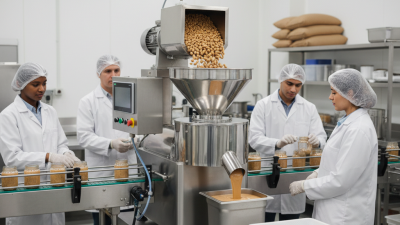
Choosing a chips making machine in 2026 requires more than comparing prices and advertised capacity. The right equipment must match your potato variety, production target, available floor space, and local operating conditions. A machine designed for 500 kilograms per hour may perform poorly if your washing, slicing, frying, or packaging systems cannot keep pace.
Food-processing expert R. Paul Singh offers a useful principle: “Good processing begins with controlling variables, not chasing equipment.” That idea matters when selecting a chips making machine. Slice thickness should remain consistent, often around 1.2 to 2 millimeters for standard potato chips. Oil temperature must stay stable during peak production. Small temperature changes can create pale chips, burnt edges, or excessive oil absorption. The machine should also provide practical controls, washable food-contact surfaces, emergency stops, and accessible maintenance points.
Real factory conditions deserve attention. Ask suppliers for a trial using your own potatoes, not only laboratory samples. Check the finished chips after cooling. Are they crisp, evenly colored, and free from broken pieces? Measure power use, water consumption, cleaning time, and operator workload. These details affect profit more than a glossy brochure.
No machine is perfect. Some models promise high output but require costly upgrades later. Others appear basic yet remain easier to maintain. A careful buyer should examine warranties, spare-part availability, technical training, and after-sales response. The best chips making machine is not necessarily the fastest option. It is the one that delivers stable quality, safe operation, manageable costs, and room for sensible growth.
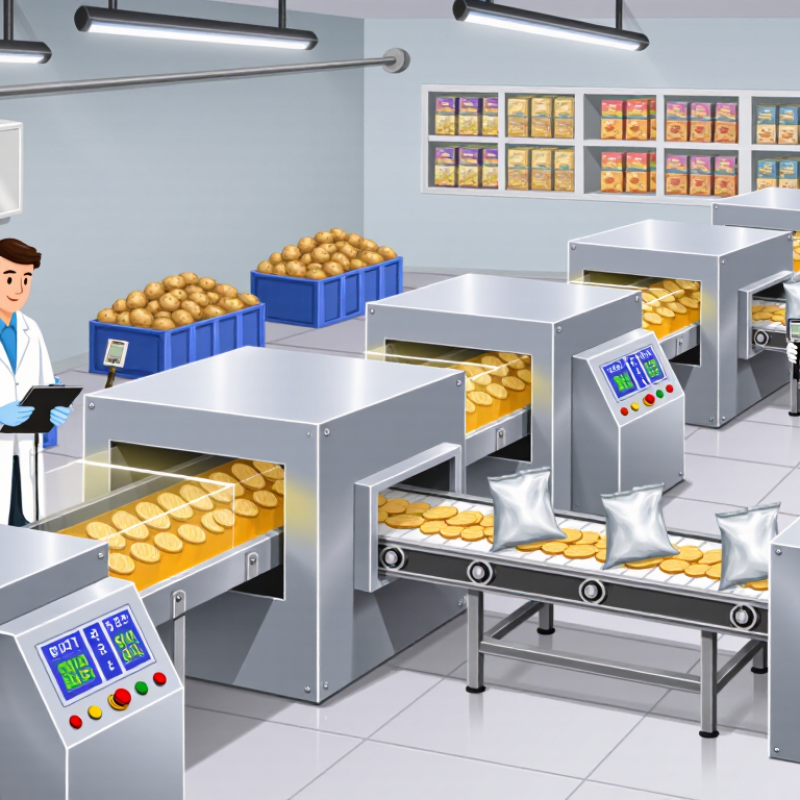
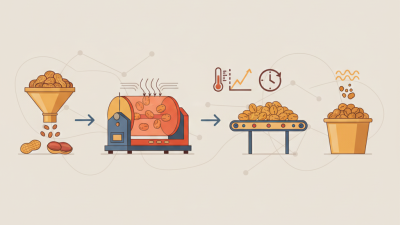
Choosing a chips making machine in 2026 starts with understanding what the equipment actually does. A chips making machine usually handles washing, peeling, slicing, blanching, frying, de-oiling, seasoning, and packing. Small units may combine several steps, while larger systems separate each stage for better control. Slice thickness affects texture, cooking time, and oil absorption. A clean, sharp cutter creates more consistent pieces. The frying section controls temperature and residence time. De-oiling reduces surface grease without damaging crispness. Automation can record temperature, production speed, and faults. This data supports safer, more repeatable processing.
When comparing equipment, match capacity with your actual output, not an optimistic forecast. Check the heating method, food-contact materials, cleaning access, energy use, and maintenance requirements. Ask for test runs with your preferred potato variety and target slice thickness. A machine may perform well during a demonstration but behave differently in a humid factory. This is easy to overlook. Operators need clear controls, guards, emergency stops, and practical training. Reliable suppliers should provide technical documents, spare-part information, and service guidance. Do not judge value by purchase price alone. Downtime, oil waste, and difficult cleaning can cost more over time.
Tips: Measure your available floor space before ordering. Leave room for cleaning and repairs. Confirm electrical supply and ventilation requirements. Request samples from a real test batch. Keep a simple log for temperature, yield, oil quality, and defects. Review it weekly. I would also inspect the cutter after every production shift. Small wear can change slice thickness quickly. No machine is perfect, and my first capacity estimate may be wrong. Build in a modest production margin instead of pushing equipment to its limit.
Choosing a chips making machine in 2026 starts with your actual production plan, not the advertised maximum output. Define the chip type, raw material, slice thickness, daily volume, and available floor space. Potato, sweet potato, banana, and cassava slices behave differently during frying. A 1.5 mm potato slice may need a different cutting and cooking setup than a thicker vegetable slice. Test your preferred recipe before purchasing.
Capacity calculations should include preparation, frying, cooling, seasoning, cleaning, and short stoppages. If your target is 300 kilograms per hour, a machine rated at 300 kilograms may be insufficient in practice. Raw material yield also changes after peeling, slicing, frying, and oil removal. Measure a small batch with a scale. It is less impressive, but more reliable. Leave room for future demand, without buying equipment that remains half-empty.
Inspect the slicing adjustment, temperature control, conveyor speed, oil filtration, and de-oiling system. These features directly affect color, texture, oil content, and product consistency. Food-contact surfaces should be corrosion-resistant and easy to clean. Ask for operating instructions, maintenance intervals, spare-part availability, and electrical requirements. I would also request a production trial using your own raw material. A machine can look excellent in a showroom, yet perform differently with uneven potatoes or humid slices. One overlooked detail can become a daily problem.
How to Choose a Chips Making Machine in 2026?
Choosing a chips making machine starts with its design, not its advertised capacity. Continuous systems suit large factories with stable demand. Batch machines offer better control for varied recipes and smaller production runs. Check the cutting chamber, feeding path, and cleaning access. A narrow passage may reduce waste, but it can slow maintenance. That detail matters.
Materials affect hygiene, durability, and product consistency. Food-contact surfaces should resist corrosion and repeated washing. Stainless steel is common, but its grade and welding quality still require inspection. Ask for surface-finish records and test the machine with your actual potatoes. Samples reveal problems that brochures hide. A crisp edge can change after one hour of operation.
Automation should match your staff and production goals. Sensors can control oil temperature, belt speed, and frying time. Remote monitoring may reduce errors, but it cannot replace trained operators. Energy use deserves equal attention. Compare heating efficiency, motor power, insulation, and standby consumption. Measure energy per kilogram of finished chips, not only hourly output. A larger machine may consume more electricity while running below capacity. This is an easy mistake. Before purchasing, calculate cleaning water, spare parts, labor, and downtime. The cheapest quotation is rarely the lowest operating cost. Ask for test data, maintenance intervals, and realistic performance limits. Forecasts are useful, but they can still be wrong.
Comparing machine designs, materials, automation, and energy use
| Machine Design | Typical Capacity | Main Material | Automation Level | Energy Use |
|---|---|---|---|---|
| Batch Fryer | 80–250 kg/h | 304 stainless steel | Manual to semi-automatic | 1.30 kWh/kg |
| Continuous Fryer | 300–1,000 kg/h | 304/316 stainless steel | Semi-automatic to automatic | 0.95 kWh/kg |
| Vacuum Fryer | 100–500 kg/h | 304 stainless steel | Automatic temperature and vacuum control | 0.75 kWh/kg |
| Hot-Air Fryer | 100–600 kg/h | 304 stainless steel | Automatic airflow and temperature control | 0.60 kWh/kg |
Energy figures are representative engineering ranges for commercial potato-chip processing and vary with product moisture, slice thickness, oil temperature, insulation, heat recovery, and production load. Choose 304 or 316 stainless steel for food-contact surfaces, and prioritize automatic temperature, oil-level, conveyor-speed, and cleaning controls when consistent quality and lower labor costs are important.
Choosing a chips making machine in 2026 requires more than comparing output rates. A practical safety review should follow ISO 12100 risk-assessment principles. Check fixed guards, emergency stops, interlocked doors, and clear electrical documentation. Food-contact surfaces should resist corrosion and allow thorough cleaning. IEC 60204-1 compliance is also worth verifying. Certificates alone are not enough. Ask for test records and the machine’s actual risk assessment.
Maintenance details often decide whether production remains stable. The U.S. Department of Energy’s Operations & Maintenance Best Practices Guide reports that predictive maintenance may reduce costs by 8–12% compared with preventive maintenance. It may also cut costs by 30–40% compared with reactive repairs. Look for accessible belts, simple lubrication points, removable covers, and sensors that reveal temperature or vibration changes. A shiny machine can still be awkward to service. That mistake is easy to make.
Supplier support needs measurable terms. Request spare-part lead times, technician response targets, training hours, software access, and warranty exclusions in writing. A 48-hour response sounds useful, but only if parts are locally available. Ask for maintenance records from similar installations, not just sales references. A short trial run can expose oil leakage, uneven slicing, or difficult cleaning. Do not ignore small faults. They become expensive when operators repeat them every shift.
Choosing a chips making machine in 2026 requires more than comparing purchase prices. FAOSTAT recorded global potato production at roughly 374 million tonnes in 2022, showing strong raw-material availability. However, local supply, potato quality, and seasonal pricing can change your real margin.
Start with total cost of ownership. Include oil consumption, heating power, water use, maintenance, spare parts, and operator training. The U.S. Energy Information Administration reported average industrial electricity prices near 8.5 cents per kilowatt-hour in 2023. Your regional tariff may be much higher. A fryer with better heat recovery can therefore repay its premium faster than a cheaper model.
Measure the room before requesting quotations. Leave space for raw-potato bins, washing, slicing, frying, seasoning, packaging, and safe movement. Also reserve access for cleaning and component replacement. A compact machine may save floor area, but restricted maintenance access can create expensive downtime. PMMI’s 2024 State of the Industry reporting identifies labor availability and automation as continuing investment pressures. That supports simpler controls and automatic monitoring, but not unlimited complexity.
My first spreadsheet is often too optimistic. It may assume full production every shift. Test three scenarios instead: 50%, 75%, and 90% utilization. Compare output per hour, reject rates, energy per kilogram, and expected service life. A durable machine with moderate capacity may create more value than an oversized line that sits idle. Ask for documented performance data, not impressive promises.