China Top 10 Food Packing Machine Manufacturers?
China has become a major manufacturing base for food packing machine technology, serving domestic brands and international food producers. Its suppliers cover vertical form-fill-seal systems, premade pouch machines, vacuum packers, tray sealers, and complete weighing lines. However, “top” should not mean the loudest website or the lowest quotation.
Industry data supports this market’s importance. Fortune Business Insights valued the global packaging machinery market at approximately US$52.83 billion in 2023 and expects continued growth through 2032. Reports from Grand View Research and PMMI also identify automation, flexible packaging, labor efficiency, and food safety as key purchasing drivers. Their estimates differ because market definitions vary. That detail matters when comparing Chinese manufacturers fairly.
This guide examines ten notable Chinese companies through practical criteria. These include machine accuracy, sealing consistency, throughput, cleaning access, spare-parts support, export experience, and documented quality systems. A machine running 120 bags per minute sounds impressive, but unstable weighing can create costly product loss. Stainless-steel frames help, yet poor drainage design may still complicate sanitation. Buyers should request factory videos, sample tests, electrical specifications, and references from similar food lines. CE documentation and HACCP-oriented hygienic design are useful indicators, but certification claims still require verification.
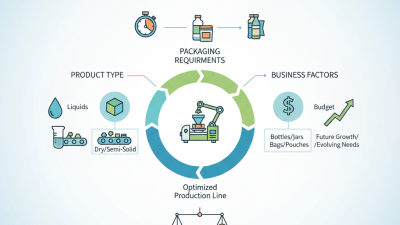
The ranking is therefore a starting point, not a final verdict. Some smaller manufacturers may offer stronger customization than famous brands. That possibility deserves attention. Supplier selection should match the product, packaging material, target speed, budget, and service expectations. Expect trade-offs. A cheaper machine may later demand more maintenance, training, or manual adjustment.
What Are Food Packing Machines and How Are They Used?
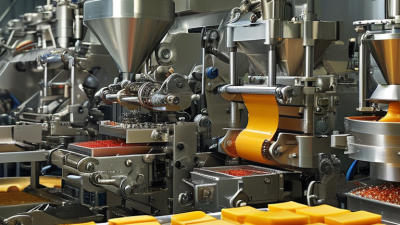
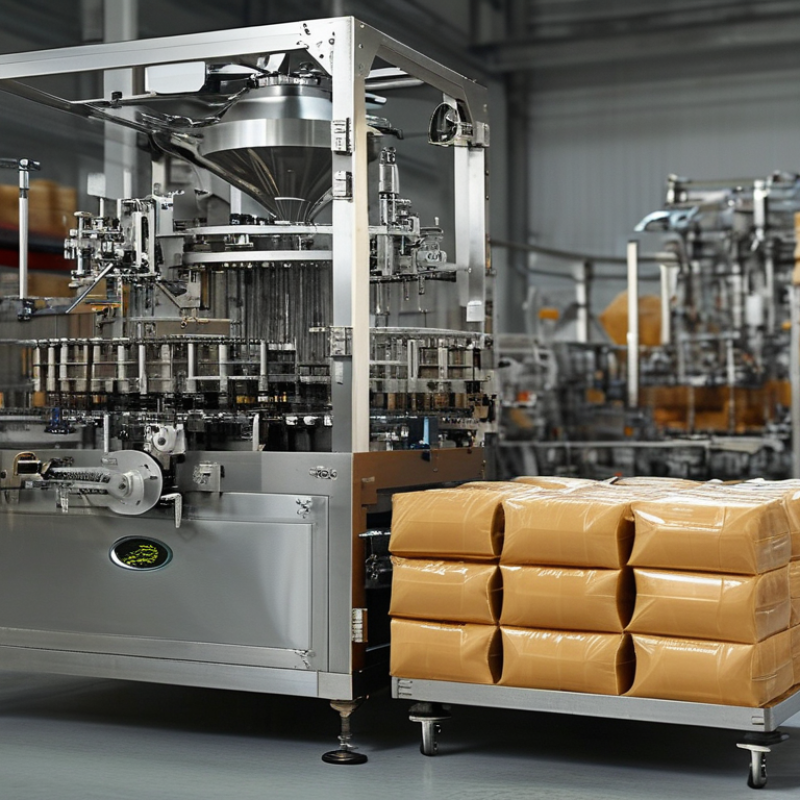
Food packing machines are industrial systems that measure, fill, seal, wrap, or label food products. They handle items such as grains, snacks, frozen vegetables, sauces, and fresh produce. A vertical machine may form a film pouch, drop measured food inside, and seal it within seconds. Horizontal systems often wrap bars, bakery items, or prepared meals.
The machine’s main purpose is consistent protection. Accurate filling reduces waste, while tight seals limit moisture, air, and contamination. Many systems use sensors to check film position, temperature, weight, and package alignment. Operators still matter. They load materials, adjust settings, inspect seals, and record production data. Small errors can cause large losses.
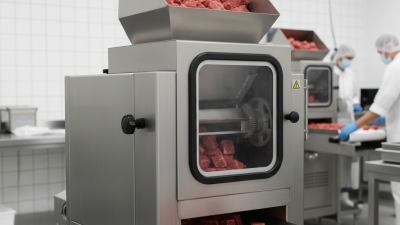
Cleanability deserves careful attention. Food-contact parts should be easy to remove, wash, inspect, and sanitize according to site procedures. Stainless steel surfaces are common because they resist corrosion and support routine cleaning. In my experience, testing with the real product is essential. Powder may scatter, sticky food may block a chute, and fragile items may break under pressure. No machine is perfect. A fast model can create more waste if its controls are difficult to adjust. Buyers should compare output, maintenance access, spare parts, operator training, and safety features. A practical trial often reveals problems that a specification sheet hides.
Food packing machines automate filling, weighing, sealing, wrapping, and vacuum packaging. The chart compares representative maximum throughput levels for common machine categories; actual performance depends on product characteristics, package size, film type, and configuration.
How to Evaluate Chinese Food Packing Machine Manufacturers
Evaluating Chinese food packing machine manufacturers requires more than comparing catalog prices. A polished showroom can mislead. Visit the production floor, if possible. Check machining areas, assembly cleanliness, electrical wiring, and final inspection records. Ask who builds key modules and how defects are documented. A reliable supplier should explain tolerances, testing methods, and design limits in plain language. Vague answers deserve caution.
For food applications, verify material certificates for product-contact parts, hygienic welds, drainable surfaces, and suitable sealing components. Request documented trials using your actual product, film, pouch size, and filling speed. Measure seal strength, weight variation, output, and changeover time. Do not accept only a video. A witnessed factory acceptance test is stronger evidence. Still, test results may not represent every production condition. Humidity changes. Operators make mistakes. Plan a site acceptance test after installation.
After-sales capability often separates a manufacturer from a trading intermediary. Confirm technician response times, remote support, spare-parts availability, software access, and training documents. Speak with several recent customers, not only selected references. Compare the complete cost: installation, consumables, maintenance, downtime, and upgrades. The cheapest quotation may become expensive after six months. I would also score communication quality during the project. Small delays and unclear drawings can reveal larger problems. No evaluation is perfect, but written evidence reduces guesswork.
China’s Top 10 Food Packing Machine Manufacturers
China’s Top 10 Food Packing Machine Manufacturers
China’s top 10 food packing machine manufacturers are not selected by factory size alone. A stronger review examines filling accuracy, sealing stability, export experience, and after-sales support. Grand View Research estimated the global food packaging equipment market at about USD 19 billion in 2023, with steady growth expected through 2030. This demand is pushing Chinese manufacturers toward faster, cleaner, and more flexible systems.
Real experience matters. A reliable supplier should provide factory testing, clear machine drawings, spare-parts plans, and documented performance data. PMMI industry reports identify automation, labor shortages, and digital monitoring as major packaging trends. Chinese manufacturers increasingly offer servo control, vision inspection, and remote diagnostics. However, “smart” features are not always useful. Some systems look advanced but remain difficult to maintain. That deserves careful questioning.
Tips: Ask for sample packaging tests using your actual product. Check sealing quality after transport simulation. Confirm electrical standards, cleaning procedures, warranty terms, and local service coverage. Request references from similar food-processing plants. Also compare total ownership cost, not only the purchase price. A cheaper machine can become expensive when changeovers are slow or replacement parts are delayed.
Key Technologies and Product Strengths of Each Manufacturer
China’s leading ten food packaging machine manufacturers differ more by engineering focus than by marketing claims.
One specializes in vertical form-fill-seal equipment for rice, snacks, and frozen foods. Another builds high-speed horizontal wrappers for biscuits and bakery products. A third focuses on premade pouch systems, using servo-driven jaws and automatic zipper insertion. Strong vacuum-packaging suppliers combine chamber control with reliable sealing temperature feedback. Fresh-food specialists add modified-atmosphere packaging, gas sensors, and gentle product handling. Some manufacturers are particularly capable with multihead weighers, reaching stable portion accuracy through digital calibration. Powder-packaging experts use augers, dust-control hoods, and anti-bridging designs. Liquid specialists improve filling accuracy with piston pumps and cleanable pipelines. Cartoning equipment makers integrate robotic pick-and-place units. Inspection-focused suppliers add checkweighers, metal detection, and vision systems.
In real factory projects, output speed is only one measure. Film tension, seal cleanliness, changeover time, and spare-part access often decide daily performance. A machine may claim 120 bags per minute, yet unstable product flow can reduce that figure sharply. Not every control interface is intuitive. Operators still need practical training. Hygienic design also deserves close inspection, especially around dead corners, exposed threads, and difficult-to-wash conveyors. The more reliable manufacturers provide test runs with the buyer’s actual ingredients, packaging film, and target weights. They also document electrical standards, cleaning procedures, validation records, and remote-service limits. That evidence is more useful than polished catalog language. Some suppliers remain strong mechanically but need improvement in software translation and long-term data reporting. Buyer feedback should therefore shape the final ranking.
How to Choose the Right Chinese Packaging Machine Supplier
China Top 10 Food Packing Machine Manufacturers?
Choosing the right Chinese packaging machine supplier requires more than comparing catalog prices. A reliable supplier should understand your product, filling accuracy, packaging material, and daily production target. Ask for a live factory video or an on-site audit. Check the workshop, testing area, machining equipment, and quality records. A polished presentation proves little.
Request samples packed with your actual food product. Test sealing strength, weight tolerance, film tracking, and cleaning time. For powder, liquid, or granular products, the machine structure may differ significantly.
Confirm which parts contact food and request material documentation for those components. Discuss electrical standards, language settings, installation, operator training, and spare-part availability before signing.
A useful supplier provides clear drawings, a written specification, and measurable acceptance criteria. Include speed, accuracy, noise level, changeover time, and safety functions. Ask for factory acceptance testing using your packaging film. Do not rely on promises alone.
I have seen buyers focus on a low quotation and overlook downtime costs. That decision can become expensive. A minor weakness remains. Even experienced buyers may miss after-sales response times, so request support hours and escalation procedures in writing. Check references from similar food factories, not unrelated industries. A supplier that admits technical limits may be more dependable than one claiming to solve everything.