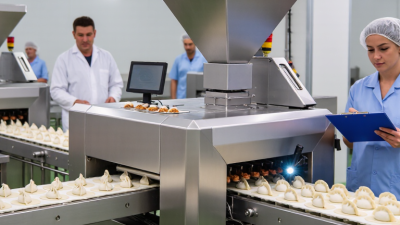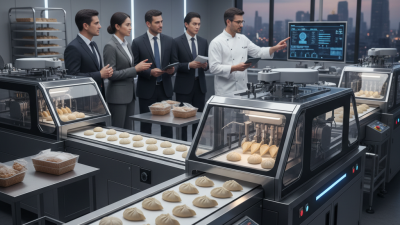
Choosing the right dumpling machine can shape production speed, product consistency, labor costs, and customer satisfaction. For global buyers, the decision involves more than comparing prices or advertised output. A machine that performs well with pork and cabbage may struggle with shrimp, vegetable fillings, or thicker wrappers. Local recipes, humidity, available power, and cleaning requirements all matter.
This guide examines ten common types of dumpling machines, from compact tabletop models to high-capacity automatic production lines. Each type serves a different business stage. A small restaurant may need a flexible machine producing 1,500 dumplings per hour, while a frozen-food factory may require continuous forming, filling, and conveying. We will consider forming accuracy, filling control, wrapper handling, changeover time, sanitation, maintenance, and operator training.
Real purchasing experience shows that specifications do not tell the whole story. A machine rated for high capacity may waste filling when ingredients vary in texture. A cheaper model may create higher costs through frequent adjustments or difficult cleaning. Small details matter. Watch the sealing edge. Check the control panel. Ask about spare parts and technical support in your region.
There is no universal best machine. That point deserves attention.
Reliable suppliers should provide test production, clear manuals, material information, and verifiable performance data. Buyers should also confirm voltage, food-contact components, warranty terms, installation support, and after-sales response times. Some recommendations may change after testing local dough and fillings. That is not a weakness; it is responsible evaluation. The right choice should match actual recipes, workforce conditions, production goals, and long-term business plans.
Top 10 Types of Dumpling Machines for Global Buyers
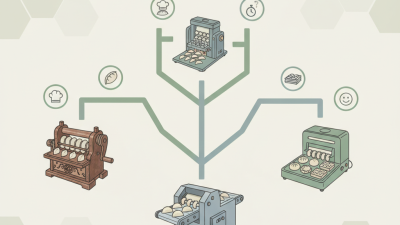
Dumpling machines can be classified by forming method and production scale. Ten practical types include hand-operated presses, tabletop forming machines, semi-automatic wrappers, automatic stuffing machines, rotary molding machines, linear mold machines, pleating machines, extrusion-cutting units, single-lane production machines, and multi-lane industrial systems. Each type creates different folds, edges, and filling volumes.
Hand presses suit restaurants and small workshops with variable orders. Tabletop and semi-automatic models support steady daily production with limited labor. Rotary and linear mold systems deliver more consistent shapes for medium-sized factories. Extrusion-cutting equipment works well with continuous dough feeding. Single-lane machines fit test production, while multi-lane systems serve large frozen-food facilities. In practice, output speed matters, but changeover time matters too. A fast machine can become inefficient when cleaning takes an entire afternoon.
Tips: Check dough thickness, filling texture, dumpling size, and required fold style before buying. Request sample trials using your actual flour and filling. Ask for measured output, not only advertised capacity. Confirm voltage, spare parts, sanitation access, and operator training. This classification is useful, but not perfect. Some machines combine several forming methods, so buyers should judge the complete workflow rather than one impressive specification.
Top 10 Types of Dumpling Machines for Global Buyers
Ten Key Dumpling Machine Types for Different Product Requirements
Dumpling production rarely follows one fixed recipe. A small restaurant may need a manual forming machine, while a central kitchen may require a semi-automatic model. Fully automatic machines suit steady, high-volume production. High-speed machines reduce labor during peak hours. Multi-function machines handle different wrappers, fillings, and shapes. They offer flexibility, but changeover settings can take time.
Product details should guide the choice. Pleating machines create defined folds for traditional dumplings. Flat-seal machines produce simple, consistent edges. Meat-filling machines need strong compression and reliable portion control. Vegetable-filling machines should manage moisture without tearing wrappers. Frozen-dumpling machines require gentle forming and stable output before freezing. Custom-mold machines support unusual shapes, though molds may increase maintenance costs.
Hygiene and operating experience matter as much as capacity. Stainless steel contact parts are easier to inspect and clean. A practical buyer should test real dough, not only review a specification sheet. Measure filling weight, wrapper thickness, sealing strength, and hourly output. Small differences become expensive at scale. No machine is perfect. Some models save labor but demand skilled setup. Others are easy to operate yet offer fewer product options. I have found that a slower trial often prevents a costly purchase. Temperature, flour type, and filling texture can change results more than expected. Supplier training, spare-part access, and clear operating records also support dependable long-term use.
Ten key dumpling machine types matched with representative production capacities. Figures show typical midpoints in pieces per minute and vary according to dumpling size, filling, dough characteristics, and automation level.
How to read the chart: Higher capacity is generally suitable for continuous commercial production, while lower-capacity machines can offer greater flexibility for specialty products, frequent changeovers, or smaller batches.
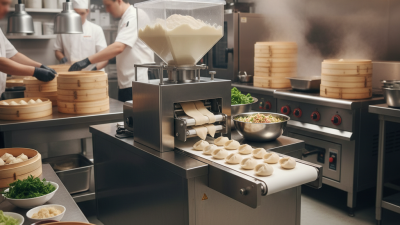
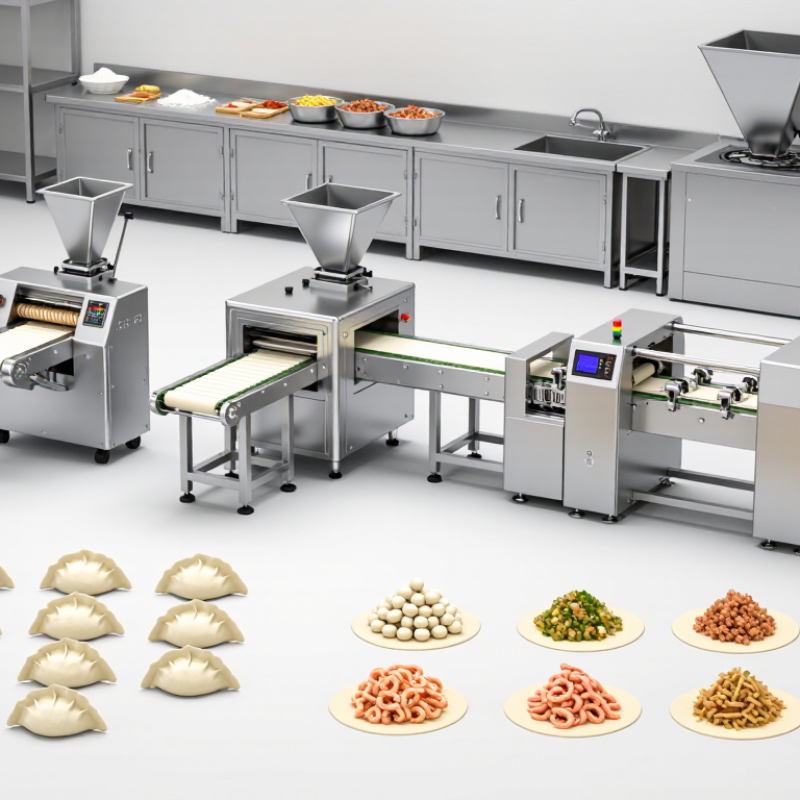
Dumpling machines differ in capacity, folding style, and filling control, but their core structure remains similar. A typical unit includes a dough hopper, filling hopper, forming mold, drive motor, control panel, and discharge conveyor. Each component affects product consistency.
The dough hopper feeds a measured sheet toward forming rollers. These rollers control thickness before the sheet reaches the mold. Meanwhile, the filling pump pushes a set quantity through a nozzle. Timing is critical. If the pump moves too quickly, filling may leak. If it moves too slowly, the dumpling can look flat. The forming mold then presses, seals, and shapes the wrapper around the filling. Some machines produce crescent forms, while others create pleated or round products.
Sensors monitor dough position, filling flow, and motor movement. The control system adjusts speed through simple parameter settings. In daily operation, clean contact surfaces and stable dough temperature matter greatly. Small changes in flour moisture can alter sealing pressure. That detail matters. Operators should inspect the mold edges, belts, and nozzles before each shift. Wear is easy to miss.
In real production, results are rarely perfect. A machine may perform well with one dough formula but struggle with another. This is where testing becomes essential. Buyers should compare output weight, sealing strength, cleaning access, and adjustment range, not only advertised speed. A slower machine with reliable portion control may create less waste. Maintenance planning also protects consistency, although it is often underestimated.
| Rank | Machine Type | Operating Principle | Core Components | Typical Output Range | Suitable Dough | Filling Compatibility | Automation Level | Typical Applications | Main Considerations |
|---|---|---|---|---|---|---|---|---|---|
| 1 | Automatic Dough-Sheet Dumpling Machine | Continuously rolls dough into a sheet, cuts wrappers, deposits filling, and forms dumplings in one production line. | Flour hopper, dough roller, wrapper cutter, filling pump, forming mold, conveyor, and control panel. | 3,000–12,000 pieces/hour | Wheat-based dough with controlled moisture and elasticity. | Meat, vegetable, seafood, and mixed fillings with consistent particle size. | High; usually requires operators for loading, inspection, and cleaning. | Large frozen-food plants, central kitchens, and high-volume foodservice operations. | Requires accurate dough hydration, stable filling viscosity, and regular mold sanitation. |
| 2 | Wrapper-Feeding Dumpling Machine | Uses pre-made circular wrappers; a filling nozzle places a measured portion before the machine folds and seals the wrapper. | Wrapper magazine, filling hopper, metering piston, folding jaws, sealing mold, and discharge conveyor. | 2,000–8,000 pieces/hour | Commercially prepared round wrappers with uniform diameter and thickness. | Standard meat, vegetable, and seafood fillings with moderate moisture. | Medium to high. | Facilities that purchase wrappers separately or produce multiple wrapper sizes. | Wrapper diameter and flexibility directly affect sealing quality and production stability. |
| 3 | Gyoza Forming Machine | Places filling on a wrapper and creates a crescent-shaped product by pressing, pleating, and sealing the edges. | Wrapper feeder, filling dispenser, pleating plates, forming dies, pressure rollers, and conveyor. | 3,000–10,000 pieces/hour | Thin wheat wrappers designed for pan-fried or steamed products. | Finely chopped meat and vegetable fillings with controlled free liquid. | High. | Gyoza, pot-sticker, and Japanese-style dumpling production. | Thin wrappers can tear if filling weight, pressure, or dough moisture is poorly adjusted. |
| 4 | Jiaozi Pleating Machine | Feeds a wrapper and filling into a forming cavity, then produces a sealed crescent or half-moon shape with simulated pleats. | Wrapper positioning unit, filling nozzle, pleating mold, sealing rollers, servo drive, and product conveyor. | 2,500–8,000 pieces/hour | Elastic wheat wrappers with consistent thickness. | Traditional meat, vegetable, mushroom, and seafood fillings. | Medium to high. | Chinese-style boiled, steamed, or frozen jiaozi production. | Pleat appearance varies with wrapper elasticity, filling quantity, and mold calibration. |
| 5 | Soup Dumpling Machine | Deposits a measured filling that may include solid ingredients and gelled soup stock, then forms a tightly sealed dumpling. | Precision filling pump, temperature-controlled hopper, wrapper feeder, multi-point sealing mold, and servo system. | 1,500–6,000 pieces/hour | Thin but strong wrappers with high sealing strength. | Minced meat combined with chilled or gelled soup filling. | High. | Soup dumplings and frozen products requiring controlled liquid release during cooking. | Filling temperature, pump accuracy, wrapper strength, and sealing pressure are critical. |
| 6 | Wonton Machine | Feeds square wrappers, deposits filling, and folds the wrapper into a pouch or envelope shape before sealing. | Square-wrapper feeder, filling dispenser, folding guides, compression plates, sealing unit, and conveyor. | 3,000–12,000 pieces/hour | Thin square wheat wrappers with sufficient moisture for folding. | Soft minced meat, shrimp, vegetables, and blended fillings. | Medium to high. | Wonton, wantan, and soup-wonton production for retail and foodservice. | Wrapper alignment and filling placement must be consistent to prevent open corners. |
| 7 | Momo and Empanada-Style Forming Machine | Positions dough discs or prepared wrappers around the filling and presses the perimeter into a round, half-moon, or pleated shape. | Dough or wrapper feeder, filling hopper, forming die, edge sealer, interchangeable molds, and discharge unit. | 1,500–6,000 pieces/hour | Medium-thickness dough or flexible pre-cut wrappers. | Meat, potato, cheese, vegetable, and spiced fillings. | Medium. | Momo, empanada-style dumpling, and regional filled-pastry production. | Different shapes often require dedicated molds and adjustments to pressing force. |
| 8 | Multi-Shape Dumpling Machine | Uses interchangeable forming molds and programmable filling settings to produce several dumpling shapes on the same base machine. | Universal forming chamber, modular molds, adjustable filling pump, servo motor, touchscreen controls, and conveyor. | 1,500–8,000 pieces/hour | Wrappers or dough sheets compatible with the selected mold. | Fillings with adjustable portion sizes and controlled consistency. | Medium to high. | Export-oriented plants and manufacturers serving multiple product categories. | Changeover time, mold cost, and recipe setup affect total productivity. |
| 9 | Semi-Automatic Tabletop Dumpling Machine | An operator places a wrapper and filling into a forming cavity; the machine completes the pressing and sealing cycle. | Manual loading tray, forming mold, pneumatic or electric actuator, foot switch, and safety guard. | 600–2,500 pieces/hour | Pre-cut wrappers or manually portioned dough. | Most standard fillings, provided that portion size is controlled. | Low to medium. | Restaurants, small bakeries, test kitchens, and small-batch production. | Lower investment and easier operation, but output depends heavily on operator speed. |
| 10 | Dumpling Closing and Sealing Machine | Receives manually assembled or partially formed dumplings and applies controlled pressure to close and seal the edges. | Infeed conveyor, alignment guides, sealing rollers or jaws, adjustable pressure system, and discharge conveyor. | 2,000–10,000 pieces/hour | Wrappers with clean, slightly moist edges that can bond under pressure. | Pre-filled dumplings with stable filling placement. | Medium. | Plants that separate filling, forming, and sealing into different production stages. | It does not normally portion filling; upstream preparation must be accurate and consistent. |
Note: Output figures are typical planning ranges for commercial equipment and vary according to dumpling size, wrapper diameter, filling characteristics, operator efficiency, mold design, and sanitation requirements.
How to Compare Capacity, Automation, and Product Compatibility
Global buyers should compare dumpling machines by actual production needs, not advertised speed alone.
Capacity is usually measured in pieces per hour. However, dough temperature, filling weight, and operator skill can reduce output. A machine rated for 6,000 pieces may produce fewer during frequent size changes. Ask suppliers for test results using your own dough and filling. Small samples often reveal more than a sales sheet.
Automation levels vary widely. Manual-assist models suit small kitchens and changing recipes. Semi-automatic machines can reduce labor while keeping filling adjustments accessible.
Fully automatic lines offer consistent forming, counting, and transfer. They require better training and more stable material control.
Higher automation is not always better. It may create costly downtime when one sensor fails. Maintenance access, cleaning time, and spare-part availability deserve equal attention.
Product compatibility is often the difficult part.
Check wrapper thickness, filling moisture, dumpling size, sealing style, and folding pattern. Some machines handle only one shape reliably. Others need different molds, nozzles, or forming tools.
Confirm changeover time and tool costs before purchasing. Ask for samples with meat, vegetables, or wetter fillings.
No comparison is perfect. I would also question my first choice after seeing uneven seals, crushed edges, or excess waste during testing.
Choosing among the top 10 types of dumpling machines requires more than comparing hourly output. Global buyers should match the machine with dough hydration, filling viscosity, wrapper thickness, and local labor skills. A steamed dumpling line may require different forming pressure than a frozen potsticker line. I would not trust brochure capacity alone. Request a factory acceptance test using your own flour, filling, and target shapes.
Installation planning prevents expensive surprises. Confirm voltage, compressed-air quality, drainage, floor loading, and cold-room access before shipment. The ISO 22000 food-safety framework supports hazard-based controls, so cleanable surfaces and tool-free access deserve serious attention. The FAO State of Food and Agriculture 2019 report estimated that 14% of food is lost between harvest and retail. Stable portion control can reduce avoidable filling waste, but only after calibration and operator training. Small errors become costly at scale.
Maintenance should include daily sanitation checks, weekly lubrication reviews, and documented inspection of belts, cutters, molds, and sensors. The U.S. Department of Energy’s Operations & Maintenance Best Practices guide reports that preventive maintenance can reduce maintenance costs by 12–18% compared with reactive work. Keep critical seals and forming parts locally. Not every spare part needs immediate replacement. Some do. Buyers should also measure actual output, reject rates, cleaning time, and unplanned downtime for 30 days after commissioning. The first month is often less predictable than the sales quotation.