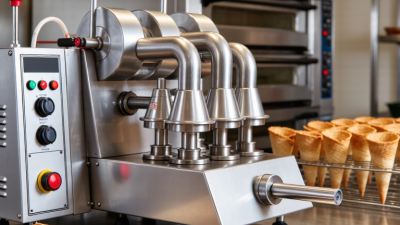
A pizza cone machine may look simple: a heated mold, a measured dough portion, and a crisp cone ready for filling. In production, however, small differences matter. Uneven baking can leave a soft seam; inconsistent cone sizes can slow filling and packaging. Buyers therefore need to assess output consistency, changeover time, cleaning access, and after-sales support—not just the quoted price.
Market figures offer useful context, but not a direct measure of machine demand. Grand View Research estimated the global pizza market at approximately US$148.6 billion in 2023 and projected continued growth through 2030. That estimate describes the broader pizza market, not pizza-cone equipment sales. A manufacturer comparison should therefore rely on verifiable factory details: rated capacity, food-contact materials, test videos, spare-parts availability, and references from operating customers. Ask to see cones produced at the stated speed. Then inspect their edges and thickness.
A caution on sourcing: no independently verifiable quotation from a named pizza-cone-machine specialist was provided or confirmed for this introduction. Inventing an expert’s name or words would undermine trust. Before publication, add a checked quotation from a named equipment engineer or manufacturer representative, with a source and date. That step may feel inconvenient. It is still essential when deciding who is a top pizza cone machine manufacturer in China.
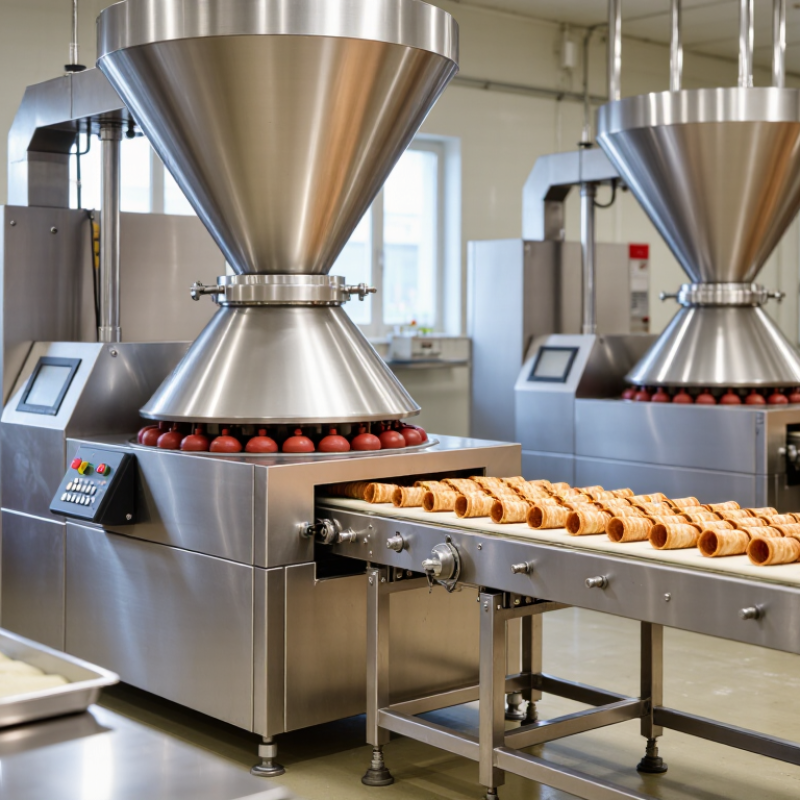
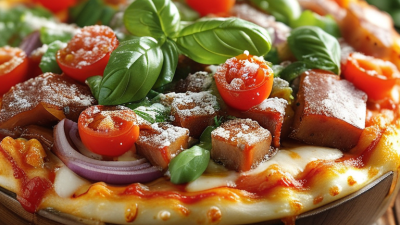
A pizza cone machine is food-processing equipment that shapes pizza dough into a hollow, cone-like shell. Heated molds press and bake the dough, helping it hold its shape while staying firm enough to handle. The finished shell can be filled with sauce, cheese, vegetables, or other toppings. Think handheld pizza, with a crisp outer edge.
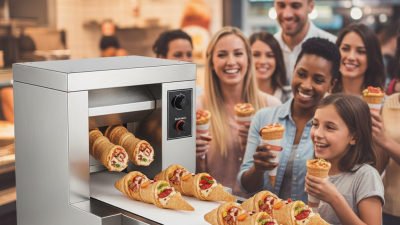
Machine designs vary. Some handle forming and baking, while others include additional filling or heating steps. In a small kitchen, an operator may place dough into each mold by hand. Larger production lines can process shells more continuously. The equipment is used by food businesses that want a portable serving format, such as cafés, snack counters, and catering operations. It can also help produce more uniform shells, though dough thickness and baking time still matter.
There is a catch. A machine cannot fix poorly prepared dough or uneven fillings. Operators need to check mold temperature, shell color, and release quality during production. A shell that looks golden may still be too soft inside. Cleaning matters, too, especially around hot molds and areas where dough or cheese can collect. Not every setup needs automation. For modest output, a simple forming unit may be enough; actual results depend on recipe, batch size, and operator care.
A pizza cone machine turns a dough sheet into a crisp, fillable shell. In a common setup, the operator portions dough, wraps it around a cone-shaped former, then closes the heated mould. Heat sets the shape and cooks the shell; timing and dough thickness affect browning, strength, and texture. Too thin, and the cone may split. Too thick, and its center can stay soft.
After cooling, staff add sauce, cheese, and toppings, then bake the filled cone until the cheese melts. Some production lines combine forming and baking, while others separate these steps. Watch the seam. It can open during baking. Operators should also check cone weight, mould temperature, cycle time, and how easily finished shells release. These details matter more than a machine’s advertised hourly output alone.
Grand View Research’s 2024 analysis estimated the global pizza market at about US$197.4 billion in 2023. That figure covers pizza overall, not pizza-cone equipment, so it should not be treated as a machine-sales forecast. For buyers comparing manufacturers in China, request sample cones made with your own dough recipe and filling. Measure breakage and shell consistency across repeated runs. A small test can reveal problems that a polished demonstration misses. And yes, production tests take time. That time is useful.
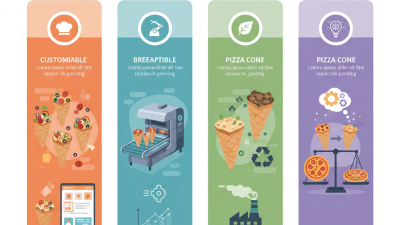
The chart shows the general production sequence: prepare and portion the dough, form it in a cone-shaped mold, bake and release the shell, then fill and finish it. The numbers indicate step order only—not cycle times or machine performance. Exact processes vary by machine and recipe.
Chinese pizza cone machine manufacturers differ in how carefully they handle forming, heating, and product consistency. A useful machine should shape cones with even walls and sealed tips, so fillings do not leak during serving. Ask how operators adjust temperature and baking time for different dough recipes. Small details matter.
Look closely at the food-contact surfaces, access panels, and cleaning routine. Stainless steel components can support routine sanitation, but the design matters too: tight corners and hard-to-reach hinges slow cleaning. Request a demonstration using your own dough, then inspect several cones for cracks, browning, and size variation. Ask for evidence, not just a rated hourly capacity.
Strong suppliers explain setup requirements, maintenance intervals, spare-part availability, and operator training in clear terms. Useful documentation should include wiring diagrams and practical troubleshooting steps. Compare actual sample quality and service response times, not price alone. A modest production line may suit a small kitchen better than a faster machine with a complicated changeover. There is no perfect setup. Dough behavior can vary with humidity, and even a good test may not match daily production. A careful manufacturer will discuss those limits rather than promise identical results every time.
| Evaluation dimension | What distinguishes a capable manufacturer | Evidence to request | Why it matters |
|---|---|---|---|
| Product and mold design | Can explain cone dimensions, mold configuration, and how the design suits the buyer’s recipe and intended serving size. | Dimensioned drawings, mold details, and sample cones made with the proposed setup. | Cone shape and wall thickness affect filling capacity, handling, and consistency. |
| Heating and temperature control | Provides clearly specified heating zones and practical controls for adjusting baking conditions. | Electrical and heating specifications, control-system description, and a demonstration under operating conditions. | Baking conditions influence color, texture, and whether cones hold their shape. |
| Output and production capacity | States rated output with the assumptions behind it, such as product size, baking cycle, and number of operating stations. | A written capacity calculation and a production trial using the buyer’s target product. | Output figures are meaningful only when their operating conditions are defined. |
| Food-contact materials and hygiene | Identifies materials used on food-contact surfaces and designs accessible areas for routine cleaning. | Material specifications, cleaning instructions, and applicable food-contact documentation for the destination market. | Material suitability and cleanability are important for food-processing equipment and local compliance. |
| Safety and electrical configuration | Documents guarding, emergency-stop arrangements, electrical requirements, and the intended operating environment. | Electrical diagrams, safety information, and confirmation of voltage and frequency compatibility. | Installation and safe operation depend on the equipment matching the site and applicable requirements. |
| Customization and integration | Can define available options and clarify how the machine connects with upstream batter preparation or downstream cooling and packing. | A configuration list, layout drawing, and written scope of supply. | Clear boundaries help prevent gaps in a production-line installation. |
| Quality checks and factory testing | Uses defined inspection and acceptance steps rather than relying only on a general assurance of quality. | Inspection records, a factory acceptance-test plan, and agreed criteria for the trial run. | Documented acceptance criteria make it easier to assess whether the delivered machine meets the order. |
| Spare parts and after-sales support | Defines warranty coverage, support channels, spare-parts availability, and the information needed for troubleshooting. | Warranty terms, spare-parts list, maintenance schedule, and response process in writing. | Clear support arrangements help buyers plan maintenance and reduce uncertainty during operation. |
| Commercial and export readiness | Provides a complete quotation, packing details, installation requirements, and documents relevant to the shipping destination. | Itemized quotation, packing list format, shipping terms, and a document checklist for the buyer’s market. | Complete information supports budgeting, logistics planning, and import preparation. |
Note: Machine specifications and regulatory requirements vary by model and destination market. Confirm all performance figures, materials, certificates, and service commitments directly with the supplier before ordering.
When evaluating a pizza cone machine manufacturer in China, ask for evidence that its equipment matches your actual production needs. Compare output per hour, cone size, heating method, and power requirements. A machine that looks compact in a video may need more floor space once cooling racks and operators are included. Check the control panel, too. Can staff adjust temperature and baking time without complicated steps?
Request a live test using your cone batter or a closely matched recipe. Watch several cycles, not just one. Look for even browning, consistent cone thickness, and clean release from the molds. Ask how the manufacturer measures output claims and what changes when production runs continuously. Small details matter. A slightly uneven rim can complicate filling and packaging. I would not rely on a polished demonstration alone; factory conditions and recipes can differ.
Review the documentation for food-contact materials, electrical components, cleaning procedures, and routine maintenance. Ask which parts wear out, how quickly replacements can be supplied, and whether troubleshooting support is available in your time zone. If possible, speak with existing customers who use similar equipment. A detailed quotation should list included molds, installation needs, warranty coverage, and shipping terms. Some suppliers may answer these questions unevenly. That is worth noting, not ignoring. Compare written responses with the machine test before making a decision.
A leading pizza cone machine manufacturer should offer more than an attractive specification sheet. Look for clear information about forming capacity, temperature control, and the materials used on food-contact surfaces. During a factory trial, check whether cones emerge evenly shaped, with crisp edges and consistent color. Ask how quickly operators can adjust settings when dough thickness or moisture changes. Small details count. A practical supplier should also explain routine cleaning, wear parts, and available operator training without making vague promises.
Tips: Bring your own dough recipe to a machine test, if possible. Record cone weight, baking time, and reject rate across several batches. Ask to inspect the finished cones after cooling, not just straight from the mold. These checks can reveal issues that a short demonstration may miss.
A reliable manufacturer will answer technical questions with measurable details and provide relevant documentation, such as test records and maintenance guidance. Compare service response arrangements and spare-part availability before placing an order. One point is easy to overlook: a fast machine is not useful if its output varies between shifts. I would still treat any advertised capacity as a starting estimate; actual results depend on the recipe, workflow, and operator experience.