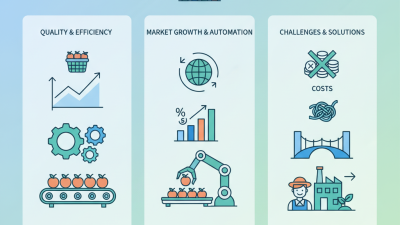
Choosing the 2026 best cane juice machine requires more than comparing motor power or attractive prices. Global buyers need equipment that matches daily cane volume, local electricity, cleaning routines, and operator skill. A compact three-roller machine may suit a café or roadside stall. A hydraulic model may serve a busy juice bar with heavier demand. Integrated machines can add filtration, cooling, and filling functions, but they usually require more maintenance.
Food-processing equipment consultant Daniel Mensah explains, “The best cane juice machine is not the fastest one; it is the machine that keeps producing safe, consistent juice every day.” This practical view matters. Stainless-steel contact surfaces, protected gears, emergency stops, and removable strainers should receive careful attention. Buyers should also inspect roller pressure, extraction recovery, noise levels, and spare-parts availability. A powerful motor cannot repair poor sanitation design.
Real purchasing decisions are rarely perfect. A machine with excellent output may consume too much energy in regions with unstable power. A cheaper model may look efficient during testing, then struggle with fibrous cane after several hours. That weakness is easy to overlook. It deserves honest review. Global buyers should request trial videos, technical drawings, warranty terms, and service contacts before ordering. Local water quality also affects cleaning and filter life. The right cane juice machine balances extraction performance, food hygiene, operating cost, repair access, and long-term reliability. This guide compares the main machine types, while recognizing that one recommended model cannot fit every market.
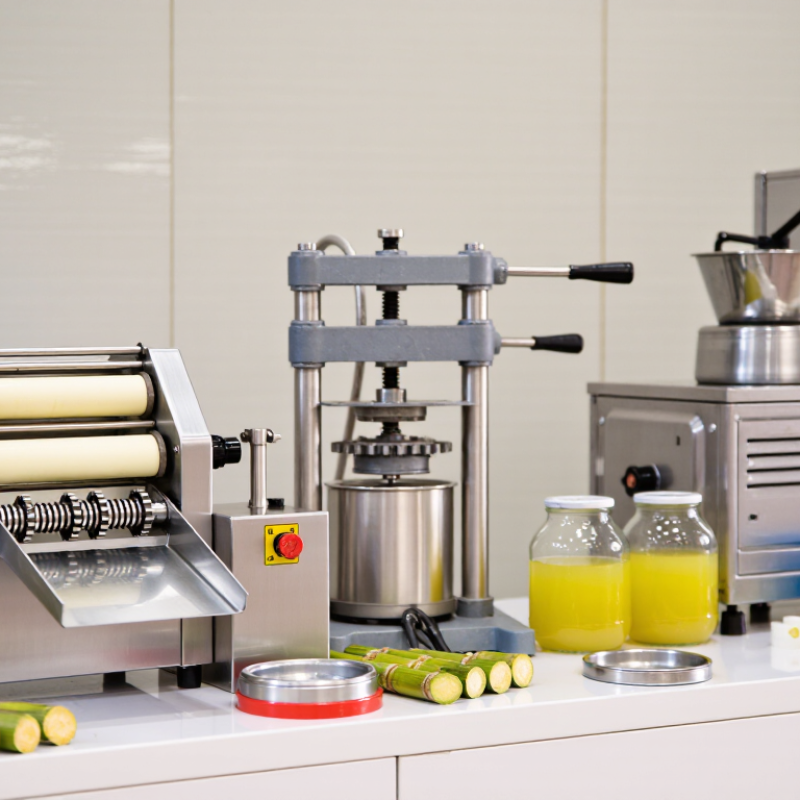
In 2026, global buyers can choose from manual, electric, and fully commercial cane juice machines. Manual two-roller models suit small stalls, farms, and locations with unstable electricity. They are simple to inspect and usually easier to repair locally. However, pressing speed depends heavily on operator strength. Results can vary.
Compact electric machines offer faster service in cafés, markets, and mobile juice counters. Most use geared rollers, stainless-steel contact parts, and removable filters. Buyers should check voltage, frequency, plug standards, and motor protection before ordering internationally. Space matters. A narrow countertop model may fit well, but its smaller feed opening can slow busy operations.
Commercial three-roller machines handle higher volumes and extract juice more consistently. Some models include automatic feeding, filtration, cooling, and waste collection. These features improve hygiene control, yet they also increase cleaning time and maintenance skill requirements. In practical evaluations, roller alignment and emergency-stop access deserve close attention. A machine can look powerful but perform poorly with fibrous, unevenly cut stalks. Ask for food-contact material certificates, electrical compliance documents, spare-part availability, and clear cleaning instructions. Local service support remains important, especially where imported components may take weeks to arrive. My view is cautious: automation is useful, but unnecessary complexity can become an expensive weakness.
2026 Best Cane Juice Machine Type for Global Buyers?
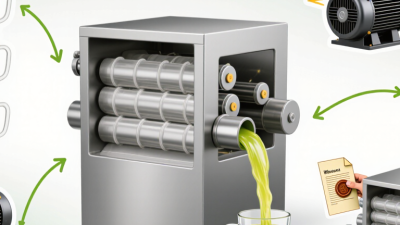
Cane juice machines work by breaking stalks and pressing out liquid. The common three-roller model feeds prepared cane between grooved rollers. One roller pulls the stalk inward, while the others compress it repeatedly. The crushed fiber exits dry. Juice falls into a covered tray below. Some machines return the fiber for another pass, improving extraction but slowing service.
Two-roller machines use stronger pressure and a simpler path. They are compact and easier to clean, yet they may leave more juice in thick or poorly trimmed cane. Small centrifugal systems chop cane before spinning it at high speed. They can process quickly, but they need balanced blades, secure covers, and careful vibration control. Not every machine suits every market.
In practical comparisons, I check the feed opening, roller clearance, motor load, and cleaning access. Stainless food-contact parts are useful, but smooth welding matters more than appearance. A narrow tray can spill juice onto the floor. That detail is easy to miss. Electrical protection must match local voltage and moisture conditions. Manual models demand more labor. Automatic feeding improves consistency, though it can increase maintenance. I have also found that advertised extraction rates may change with cane freshness, diameter, and operator technique. Real conditions are messier. A buyer should test local cane before choosing capacity or roller design.
For global buyers, the best cane juice machine depends on workload, power access, and cleaning routines. A compact stainless-steel model suits cafés and small juice counters. Larger operations need stronger rollers, higher crushing capacity, and stable continuous performance. Compare extraction output in liters per hour, not only motor power. A powerful motor may still waste juice if roller pressure is poorly adjusted.
Check the roller material, gap adjustment, feed opening, and pulp discharge path. Food-contact surfaces should resist corrosion and remain easy to sanitize. A practical machine should have overload protection, emergency stopping, and safe access around moving parts. Voltage, frequency, plug type, and control design require careful checking before purchase. One overlooked detail can delay installation.
Tips: Request a full specification sheet and a short operating video. Ask how quickly rollers can be removed for cleaning. Test the machine with different cane sizes, because advertised capacity can be optimistic. Also inspect noise levels and vibration on a solid floor. I would not judge reliability from appearance alone. A clean finish helps, but service access matters more. Spare parts availability, user instructions, warranty terms, and local technical support can determine long-term value. Some buyers focus too heavily on hourly output and later discover difficult cleaning. That mistake is easy to make.
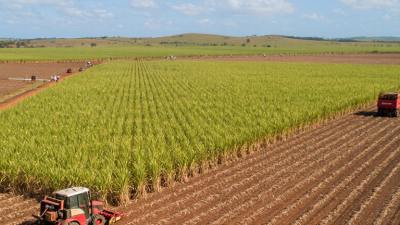
The best cane juice machine in 2026 depends on capacity, location, and customer demand. FAOSTAT production data places global sugarcane output above two billion tonnes annually. Yet a large crop does not justify a large machine. Local throughput matters more.
For a busy roadside outlet, a compact electric roller mill may suit 30–80 litres per hour. It needs washable surfaces, stable drainage, and simple parts replacement. A central processor may need 200–500 litres per hour, with a wider feed opening and continuous filtration. USDA Foreign Agricultural Service sugar reports show that cane production remains concentrated in tropical and subtropical markets. Therefore, buyers should check voltage, humidity, transport access, and technician availability before choosing capacity.
Location changes the machine specification. In rural areas, a lower-power unit with manual controls can reduce downtime when electricity fluctuates. In urban markets, speed, noise control, and cleaning time may matter more than maximum output. Codex Alimentarius food hygiene guidance emphasizes cleanable equipment and contamination control, so stainless contact surfaces and accessible juice channels are practical requirements. Small details matter.
A capacity calculation can still mislead. Peak demand may last only three hours, while the machine operates ten hours daily. Ask suppliers for measured output using mature local cane, not laboratory samples. Check juice loss, cleaning minutes, spare-part lead times, and operator safety records. The cheapest machine may become expensive when every repair requires overseas shipping.
| Machine Type | Typical Juice Capacity | Recommended Operating Location | Suitable Market Need | Typical Drive System | Electrical Requirement | Approximate Footprint | Labor Requirement | Key Advantages | Main Limitations |
|---|---|---|---|---|---|---|---|---|---|
| Compact Manual or Semi-Automatic | 20–60 L/h Output varies with cane preparation and operator speed. |
Small kiosks Farm shops, cafés, mobile beverage carts |
Low-volume fresh juice sales, seasonal use, product testing, and locations with limited power access | Manual hand crank or low-power geared motor | Manual models require no electricity; motorized versions commonly use single-phase power | About 0.4–0.8 m² of counter or floor space | One operator for feeding, collection, and routine cleaning | Low purchase cost, simple operation, easy relocation, and low energy use | Lower throughput; more operator involvement; unsuitable for sustained peak-hour demand |
| Countertop Commercial Roller Type | 60–120 L/h Common range for compact commercial service points. |
Urban retail Restaurants, cafés, food courts, hotel beverage stations |
Regular daily sales with moderate customer traffic and a limited service footprint | Motor-driven two- or three-roller extraction system | Usually single-phase; voltage and frequency must match the destination market | About 0.6–1.2 m², depending on feed table and waste container | One operator; cane feeding and cleaning are generally manual | Good balance of capacity, compact size, visible preparation, and manageable operating cost | Requires stable electrical supply and sufficient space for cane storage and waste handling |
| Heavy-Duty Commercial Three-Roller | 120–250 L/h Actual output depends on roller gap, cane diameter, and feeding rate. |
High-traffic sites Markets, transit areas, tourist attractions, large food-service outlets |
High daily demand, fast service, and multiple sales periods throughout the day | Powered three-roller mill with geared transmission | Typically single-phase or three-phase, depending on motor size and local electrical standards | About 1.0–2.0 m², excluding raw-cane storage | One operator during normal service; two may be useful during peak periods | Higher throughput, continuous service, and improved extraction consistency | Higher capital cost, greater cleaning workload, and increased electrical demand |
| High-Capacity Electric Cane Mill | 250–500 L/h Requires suitable feeding, drainage, and waste-management arrangements. |
Large commercial operations Central beverage kitchens, event venues, processing rooms |
Large order volumes, centralized production, bottled fresh juice preparation, and institutional service | Heavy-duty motorized roller mill, often with powered feed assistance | Usually three-phase power; local electrical protection and motor standards must be verified | About 2.0–4.0 m², excluding service clearance and storage areas | One trained operator plus support for preparation, sanitation, and waste removal | High production capacity and lower labor per liter at sustained utilization | Needs stronger infrastructure, dedicated drainage, trained staff, and better sanitation control |
| Portable Cart-Integrated Machine | 50–150 L/h Capacity depends on machine configuration and service workflow. |
Outdoor and mobile sales Festivals, markets, beaches, parks, roadside vending |
Mobile retail, temporary events, flexible location testing, and seasonal demand | Compact motorized roller unit integrated into a cart or service counter | Single-phase power, battery-supported setup, or approved generator system depending on location | Typically 1.0–2.5 m², plus operator access and customer queue space | One operator; two operators improve service speed during busy events | Mobility, strong visual appeal, and the ability to test different selling locations | Transport weight, water supply, wastewater disposal, weather protection, and local vending rules must be considered |
| Hygienic Enclosed or Semi-Automatic Line | 150–400 L/h Designed for controlled production rather than simple countertop service. |
Processing and packaged-juice facilities Central kitchens, hotels, institutional beverage production |
Consistent batch production, improved contamination control, and integration with filtration or filling equipment | Motorized extraction system with guarded rollers and optional conveyors or filtration stages | Commonly three-phase power; water, drainage, and equipment grounding are required | About 3.0–8.0 m², depending on line configuration and auxiliary equipment | Trained staff for feeding, monitoring, sanitation, and quality checks | Improved workflow, safer guarding, more consistent production, and easier process integration | Higher installation cost, larger space requirement, and more demanding cleaning procedures |
Capacity figures are practical indicative ranges for fresh sugarcane juice extraction and vary according to cane diameter, fiber content, roller design, extraction settings, operator feeding rate, and filtration requirements. Buyers should verify local voltage, frequency, food-contact materials, safety guarding, sanitation procedures, drainage, and applicable food-service regulations before purchase.
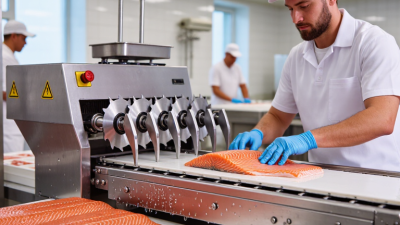
Choosing the best cane juice machine in 2026 requires more than checking extraction capacity. Safety, cleaning access, and export readiness deserve equal attention. The World Health Organization estimates that 600 million people suffer foodborne illnesses annually. Cane juice equipment must therefore support strict hygiene controls.
Select a machine with guarded rollers, an emergency stop, stable feet, and tool-free access to food-contact areas. ISO 12100:2010 recommends risk assessment throughout machinery design. The FAO and WHO General Principles of Food Hygiene, CXC 1-1969, emphasize cleanable surfaces and contamination prevention. Stainless steel does not guarantee hygiene. Weld gaps, trapped fibers, and poor drainage can still create problems. That detail is easy to miss.
Maintenance planning should include daily rinsing, scheduled sanitizing, bearing inspection, and documented replacement intervals. Operators need clear instructions, not only a manual translated poorly. I would request noise, electrical, and spare-parts data before ordering. Voltage and frequency must match the destination market. Packaging should also follow ISPM 15 requirements when wood is used. Importers should verify customs classification, electrical conformity, food-contact materials, and local installation rules. The USDA Foreign Agricultural Service’s Sugar: World Markets and Trade reports show sugar remains a highly international commodity, making service access important after delivery. A lower purchase price can become expensive when one seal takes six weeks to replace. I have seen specifications look complete while maintenance access remained awkward. That is worth questioning.
Safety, maintenance, capacity, and international purchasing considerations
Typical non-brand commercial planning ranges. Actual output depends on cane diameter, extraction settings, operator skill, and cleaning procedures.
A commercial three-roller electric machine is generally the best balance for international buyers that need consistent output, moderate energy use, and easier servicing than larger hydraulic systems.
Prioritize guarded rollers, an emergency stop, overload protection, food-contact stainless steel, removable juice-contact parts, and simple daily cleaning access. Inspect belts, bearings, seals, and electrical connections regularly.
Confirm local voltage, frequency, plug type, motor rating, spare-parts availability, shipping dimensions, import documents, and applicable electrical and food-equipment compliance requirements before ordering.