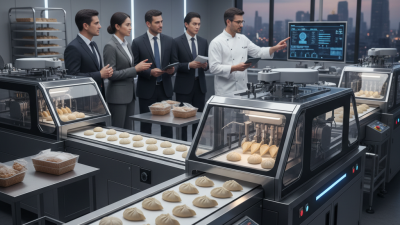
2026 Best Dumpling Machine for Commercial Use?

Choosing a commercial dumpling machine in 2026 means matching equipment to real daily production, not chasing the highest advertised output. Restaurants, caterers, and frozen-food producers each need different batch sizes, workflows, and dumpling styles. A machine rated for thousands of pieces per hour may still disappoint if filling varies or wrappers tear. Numbers matter. So does the finished bite.

This guide looks at the features that affect everyday results: production capacity, dough and filling compatibility, shaping consistency, changeover time, cleaning access, and floor space. It also considers operator training, maintenance support, and whether a supplier can provide a practical demonstration. These details can matter more than a polished brochure. Ask how the stated output was measured, and test the machine with your own recipe where possible. A thicker wrapper or wetter filling can change performance.

There is no single best choice for every kitchen or production line. The right dumpling machine should suit your menu, staffing, and expected demand, with room for realistic growth. Compare verified specifications and service terms before making a decision. One point is easy to overlook: an impressive machine can become an expensive bottleneck when setup or cleaning takes too long. That deserves a second look. The sections ahead offer a grounded way to compare options, identify trade-offs, and choose equipment based on evidence rather than headline claims.
2026 Best Dumpling Machine for Commercial Use?

What Is a Commercial Dumpling Machine and How Does It Work?

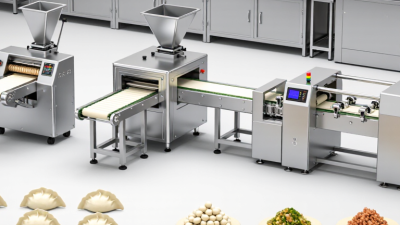
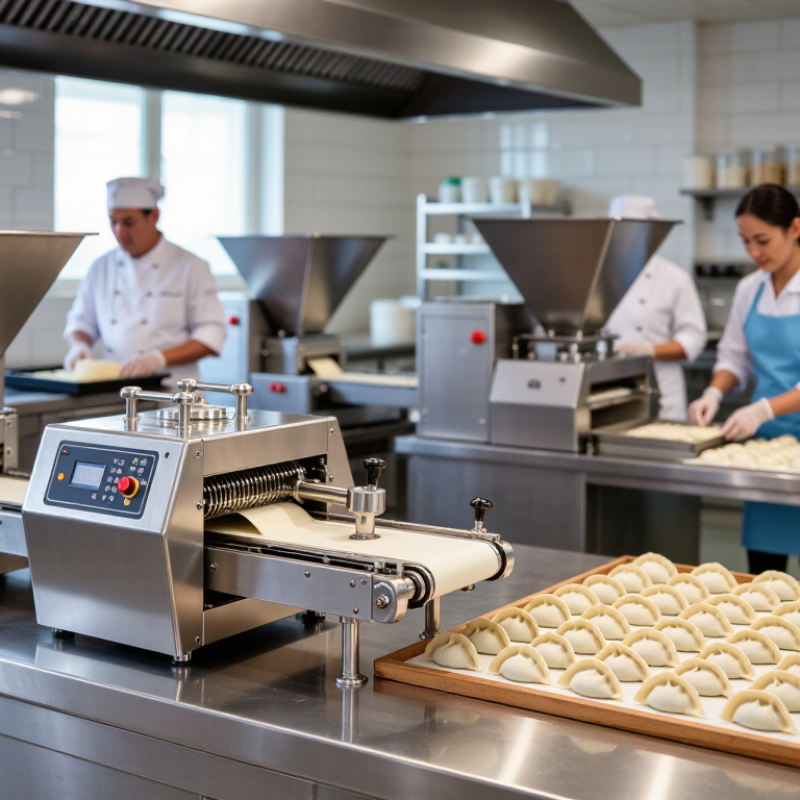
A commercial dumpling machine is equipment designed to portion dough and filling, then shape and seal dumplings at a steady production pace. Depending on the model, it may combine dough sheeting, filling delivery, folding, and crimping in one unit. Some machines form round dumplings; others make crescent shapes. It is not magic. The result depends on dough texture, filling consistency, and careful setup. If the dough is too dry, seams may split. If the filling is loose, it can leak into the sealing area. Small details matter.

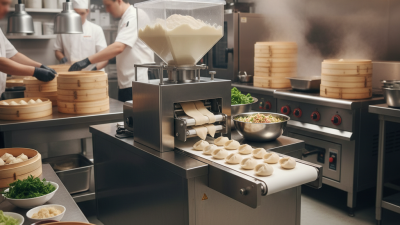
A typical workflow starts with prepared dough and filling loaded into separate hoppers. Rollers flatten the dough into a sheet, while a pump or auger feeds measured filling onto it. Forming dies then fold and press the dumpling, creating a sealed edge. The operator checks the first pieces for weight, shape, and seam quality before continuing. Settings often need small adjustments when recipes or room conditions change. Dough temperature can affect how easily it stretches, and chunky fillings may feed unevenly. A machine can increase output and reduce repetitive handwork, but it does not correct poor ingredients or rushed preparation. Cleaning and inspection between runs help prevent residue from affecting later batches. Even an efficient line can produce uneven dumplings if nobody watches the first few minutes closely.

Which Types of Dumpling Machines Serve Different Production Needs?

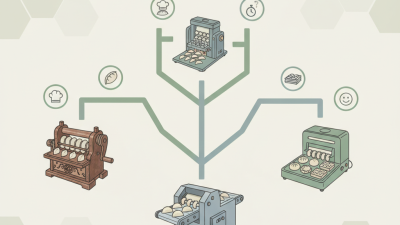
Dumpling machines are not interchangeable; the right type depends on daily volume, filling texture, staff skill, and available space. A manual or tabletop unit suits a small kitchen testing new fillings or making limited batches. Operators feed dough and filling by hand, so output depends on their pace and wrapper consistency. Not always predictable. Still, manual control can help with unusual fillings and frequent recipe changes. Test whether the machine handles your dough thickness and filling pieces without tearing wrappers or clogging the feed.

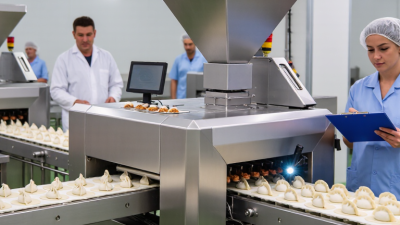
A semi-automatic model can form and seal dumplings while staff load dough or portion filling. It often suits a growing restaurant that needs steadier batches but still wants hands-on checks. For central kitchens or frozen-food production, fully automatic systems can connect feeding, forming, and conveying. They also require consistent ingredient preparation, trained operators, and enough floor space. Higher speed is not always better. If filling texture changes during a shift, dumpling shapes and seal quality may drift. Specifications look tidy on paper; real dough can be less cooperative. Match capacity to peak demand, then test a full run and inspect dumpling weight, seams, and cleaning access. Some trade-offs remain.

What Features Matter Most When Comparing Commercial Models?

Compare commercial dumpling machines by usable output, not the fastest advertised cycle. A line rated for 2,000 pieces per hour may slow down when staff refill hoppers or clear jams. Check whether it handles your dough thickness, filling texture, and dumpling size without constant adjustment. Ask for a live trial using your own recipe; a neat sample can hide uneven seams or filling leakage. Small details matter.

Look closely at adjustment range, portion consistency, and changeover time between shapes. Controls should be clear for new operators, while guards and emergency stops remain easy to reach. Food-contact parts should come apart for cleaning without special tools, and replacement components should be readily available. Measure the footprint, power supply, and maintenance access before ordering. A high-output model can still be the wrong fit for a cramped room. It is easy to overvalue speed; even a small seam defect can create extra handwork.

Tips: Time a full production run, including loading, cleaning, and minor stoppages. Record good pieces per hour, not just machine speed. Do not treat one smooth demo as proof; real shifts rarely match showroom conditions.

2026 Best Dumpling Machine for Commercial Use?

What features matter most when comparing commercial models?

How to use this chart: These suggested decision weights add up to 100%; they are a comparison rubric, not measured market-survey results. Adjust them to match your production volume, product requirements, and operating conditions.

How Do Capacity, Food Safety, and Maintenance Affect Machine Choice?

A commercial dumpling machine should match your kitchen’s real peak-hour demand, not just its advertised output. A unit rated for 3,000 pieces per hour may produce less when dough thickness, filling texture, or operator pauses vary. Estimate servings per hour, then leave a buffer for rushes and cleaning. Too much capacity can also be wasteful: oversized equipment takes up space and may leave parts idle. That trade-off is easy to miss.

Food safety depends on cleanable surfaces as much as stainless steel. Check whether hoppers, forming heads, and food-contact parts can be removed easily. Look for seams that might trap flour or filling. Ask for clear cleaning instructions and documentation for food-contact materials. Keep raw filling chilled and separate from finished dumplings; machine choice cannot replace safe handling. It sounds obvious, but shifts get busy. Maintenance deserves equal attention. Inspect seals, belts, rollers, and spare-part availability before buying. A machine needing specialist service for a simple adjustment may interrupt production. Request a demonstration using your own dough and filling. Time setup, cleaning, and changeover, not only peak output. Real conditions can be messier than a showroom.

2026 Best Dumpling Machine for Commercial Use? — How Do Capacity, Food Safety, and Maintenance Affect Machine Choice?
Machine Type Typical Output Range Best Fit Food-Safety Considerations Cleaning and Maintenance Key Selection Trade-Off
Manual or tabletop forming machine About 100–500 dumplings per hour, depending on operator speed and dumpling size Small kitchens, test production, and businesses with variable or modest demand Look for food-contact parts made from suitable stainless steel or food-grade polymers. Removable parts make it easier to clean areas that contact dough and filling. Generally simple to inspect and clean. Check forming parts, fasteners, and seals regularly; follow the manufacturer’s cleaning instructions. Lower initial cost and simple operation, but output depends heavily on labor and may be inconsistent across operators.
Semi-automatic machine About 500–2,000 dumplings per hour under suitable operating conditions Restaurants, commissary kitchens, and small food producers moving beyond hand forming Confirm that product-contact surfaces are accessible and designed for food use. A documented sanitation procedure is important, especially around filling-feed components. Requires routine cleaning of hoppers, feed paths, molds, and dough-contact areas. Inspect wear parts and seals on a scheduled basis. Balances labor savings and investment, but may still require staff to feed, monitor, or handle product.
Automatic production machine About 2,000–6,000 dumplings per hour; actual output varies substantially by model, product, and settings Food businesses with steady, repeatable production and trained operators Prioritize hygienic design, accessible food-contact zones, suitable materials, and clear cleaning procedures. Verify applicable local food-safety requirements before purchase. More components and settings require planned cleaning, inspection, and preventive maintenance. Confirm access to service support and replacement parts. Higher potential throughput and repeatability, but greater purchase, setup, training, and maintenance requirements.
High-output automated line Often 6,000 or more dumplings per hour; capacity is line- and product-specific Large-scale producers with predictable demand, suitable facilities, and dedicated production staff Assess the full line, including conveyors and filling systems, for cleanability and cross-contamination controls. Confirm cleaning access, drainage needs, and sanitation validation procedures. Requires a formal preventive-maintenance plan, trained technicians, and planned downtime for cleaning and inspection. Can support large volumes, but requires the highest investment, facility readiness, process control, and ongoing technical support.
Sizing and product compatibility Output depends on dumpling size, weight, shape, dough thickness, filling consistency, and changeover frequency Any operation producing more than one dumpling style or recipe Ensure all product-contact components can be cleaned between recipes and allergen changes according to the site’s food-safety plan. Ask how long a recipe or mold change takes and whether parts can be removed without special tools. A quoted maximum rate may not reflect the speed achievable with the business’s actual recipes and quality standards.
Utilities, space, and support Not a production-rate measure; check the exact machine specifications Buyers comparing equipment for an existing or planned production room Confirm installation and operation will fit local food-premises requirements and the site’s sanitation procedures. Check electrical requirements, cleaning method, spare-parts availability, warranty terms, and service response arrangements. A machine that meets capacity targets may still be a poor fit if utilities, layout, operator training, or service access are inadequate.

Note: Output figures are indicative planning ranges, not guaranteed specifications. Confirm rated and sustained production rates with the supplier using the intended dumpling size, dough, filling, and operating conditions.

How Can Businesses Select the Best Dumpling Machine for 2026?

Choosing a commercial dumpling machine for 2026 starts with the product, not the advertised hourly capacity. Record your dough thickness, filling weight, dumpling size, and expected shift length. Then request a trial using your own chilled filling and dough. Watch for split seams, uneven folds, and filling left inside the hopper. Small details matter. A machine that runs quickly for ten minutes may struggle through a full production shift. Ask for sustained-output figures, changeover time, cleaning instructions, and the cost and availability of forming parts.

Yield deserves equal attention. FAO’s 2023 SDG progress reporting estimated that 13.2% of food was lost between harvest and retail globally in 2021. USDA estimates that 30–40% of the U.S. food supply is lost or wasted; these figures use different scopes, but both underline the value of tracking rejects. For a dumpling line, weigh good units and defects during a pilot run, then calculate saleable output rather than relying on the machine’s headline rate. Check whether operators can adjust portion size without lengthy stoppages, and whether food-contact surfaces are accessible for cleaning. A modest caveat: the most automated option may not suit a small team or frequent menu changes. Compare service response times and spare-part access before committing.