7 Best Food Packing Machines for Small Businesses?

Choosing a food packing machine is less about buying the fastest unit and more about matching equipment to the product, space, and daily workload. A small bakery may need a compact vertical sealer for bags of granola, while a sauce maker may prioritize clean, consistent filling. The wrong fit can mean slow changeovers, wasted film, or packages that need repeated checks. Small details matter. A crowded workbench matters, too.

Packaging professor Dr. Susan Selke’s practical perspective can be summed up this way: “Good packaging must protect the product and work smoothly within the process.” That principle helps frame this guide to seven machines for small businesses. We’ll compare common options by package type, operating needs, and room for growth—not by headline speed alone. Check how quickly a machine changes formats. Ask whether its controls are easy to learn. Look closely at cleaning access and the availability of routine service. These questions sound basic. They are easy to overlook when a demo looks impressive.

No machine suits every shop. A hand-fed sealer may be enough for short runs, while a filling-and-sealing system could support steadier demand. Capacity claims also depend on the product, operator, and packaging material. Treat them as starting points, not promises. The best choice is the one your team can run reliably on an ordinary Tuesday.
7 Best Food Packing Machines for Small Businesses?

What Food Packing Machines Do for Small Businesses

For a small food business, a packing machine is less about speed than repeatability. A tabletop weigh-filler can portion grains or snacks into pouches. A heat sealer closes them; a vacuum sealer removes air from suitable products. Tray sealers and date coders help prepare chilled meals with clear batch information. Less rework. A neat seal matters, but so does an accurate weight.

The FAO’s 2023 SDG report estimated that 13.2% of food was lost between harvest and retail in 2021. This is a supply-chain estimate, not a claim about machine performance. Grand View Research valued the global food packaging market at US$456.3 billion in 2023 and projected 5.6% annual growth from 2024 to 2030. Those figures show a large, changing sector—not a reason for every small producer to automate. It’s not that simple. Match equipment to daily output, product texture, cleaning needs, and available packaging materials. Test it with your actual product and staff. A machine that jams on oily snacks or takes too long to sanitize can create new bottlenecks. Small teams can overlook changeover time. That deserves a second look.

The Main Types of Food Packing Machines

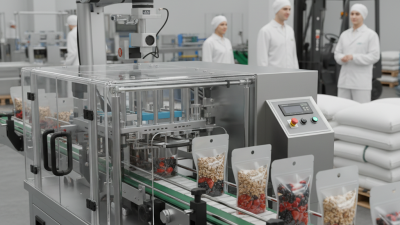
Small businesses usually choose among filling, wrapping, sealing, and labeling machines. The right type depends on the food’s texture, moisture, portion size, and storage needs. A vertical form-fill-seal machine makes pouches from a film roll and fills them with products such as grains or snacks. Horizontal flow wrappers suit bars, baked goods, and other solid items. Fit matters more.

For liquids and sauces, filling machines dispense measured portions into bottles, jars, or cups. Tray sealers can close ready-meal portions, while vacuum or modified-atmosphere systems remove or replace air around selected foods. These methods require product testing and suitable storage; packaging alone cannot guarantee safety or shelf life. Labelers and date coders support clear product identification, but they do not replace careful production controls.

The FAO’s 2019 report, The State of Food and Agriculture, estimated that about 14% of food is lost between harvest and retail. Packaging equipment is only one part of reducing such losses.

A small producer should compare changeover time, cleaning access, and actual output—not just the advertised speed. I would test with the real product. A machine that handles dry powder may struggle with sticky fillings, and that difference is easy to underestimate.

How to Choose a Machine for Your Products and Budget

Choosing a food packing machine starts with the product, not the advertised speed. A powder that clouds when poured needs a different filling system from chunky granola or sticky sauce. Note whether your products are dry, oily, fragile, or temperature-sensitive. Then measure typical portion sizes and daily output, including busy days. Small test runs can reveal jams, crushed pieces, or uneven seals before you buy.

Match the machine to your package: pouches, trays, jars, or bags. Check which sizes it handles, how long changeovers take, and whether food-contact parts are easy to clean. Ask suppliers to run a trial with your actual product and packaging. Test it first. Watch fill weights, seal strength, and material waste—not just packs per minute. Budget for packaging, spare parts, training, power, and service. Hidden costs add up. A cheaper unit may cost more if seals fail or cleaning takes an hour each shift. Estimates can be wrong, so leave room to grow without paying for capacity you cannot use yet.

7 Food Packing Machine Types for Small Businesses

Indicative throughput ranges (packs per minute) can help match a machine to your product and production needs.

Actual speeds vary with the machine model, product, package size, and operator. Treat these ranges as planning estimates, and confirm rated throughput with the supplier before purchasing.

7 Best Food Packing Machines for Small Businesses

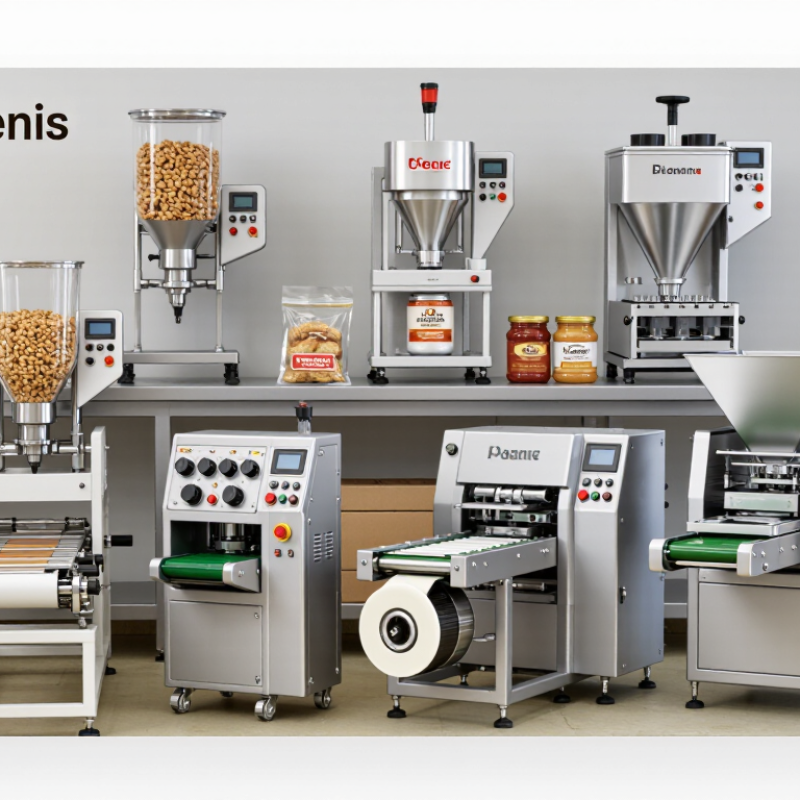
Small food businesses need packaging equipment that fits their products, workspace, and daily output. Seven useful options are tabletop vacuum sealers, impulse sealers, continuous band sealers, tray sealers, cup filling and sealing machines, weigh-and-fill machines, and compact form-fill-seal machines. Vacuum sealers can help protect suitable foods from air exposure, while impulse and band sealers close bags with different levels of speed and workflow. Tray and cup machines suit portioned meals, sauces, or snacks. Weigh-and-fill equipment helps portion dry goods, and form-fill-seal machines create packages from roll stock. Keep it simple. The best choice depends on the food, packaging material, and number of packs you need each hour.

Before buying, test the machine with your actual product and packaging. A thick sauce, crisp snack, or uneven piece of produce may behave differently than a sample pouch suggests. Check sealing consistency, cleaning access, changeover time, and available counter space. Ask about routine maintenance and replacement parts, too. A faster machine is not always better if setup takes longer than the packing run. I would also leave room in the budget for training; small teams can underestimate that cost.

Tips: Run a short trial batch. Inspect several seals, weigh random portions, and note how long cleanup takes. Record what goes wrong. That detail can prevent an expensive mismatch.

Setup, Food Safety, and Maintenance Considerations

For a small food business, the right packing machine depends on the product, package, and daily volume. A tabletop vacuum sealer may suit dry goods or chilled portions, while a band sealer can close prepared pouches quickly. Small fillers help with sauces, but thick mixtures may need a different pump. Test a few real packages before buying. A sample pouch can reveal leaks, slow sealing, or awkward cleaning.

Plan the setup around cleanable surfaces and steady workflow. Keep raw ingredients away from sealed products, and leave room to wash removable parts without splashing nearby packaging. Check that food-contact surfaces are suitable for your product and follow the machine’s instructions. Keep a simple record of cleaning and seal checks. Small details matter. A seal that looks closed may still leak.

Maintenance is not glamorous, but it protects product quality. Inspect heating strips, gaskets, hoses, and blades for residue or wear; replace damaged parts before they affect a batch. Unplug equipment before cleaning, and never use a cleaner that could damage food-contact surfaces. Follow the maker’s guidance and applicable food-safety requirements. One caution: the cheapest machine is not always the least expensive to run. Still, a higher price does not guarantee an easier workday. Check repair access, spare-part availability, and how long routine cleaning actually takes.