Choosing the right packing machine can shape your production speed, product quality, and long-term operating costs. It is not simply a matter of selecting the fastest model. A suitable machine must match your product, packaging material, available space, and daily production targets.
Practical experience shows that small details often influence performance. Powder may settle inside filling components, while sticky products can slow sealing jaws. A fragile snack may need gentler handling than a dense granule. Ask suppliers for product trials using your actual materials. Observe filling accuracy, seal strength, changeover time, cleaning access, and operator safety. Real tests reveal issues that brochures often hide.
Budget matters, but the purchase price is only one part of the decision. Consider energy use, spare parts, maintenance support, training, and expected downtime. A cheaper machine may become expensive after repeated adjustments or difficult repairs. That assumption can fail. Production conditions also change, so leave reasonable capacity for future growth without buying unnecessary complexity. Verify technical specifications with an experienced supplier and request clear performance records. Check whether the machine complies with applicable safety and hygiene requirements in your market. Reliable decisions come from measured evidence, not attractive promises. Even careful planning can miss something. Review the results with operators who will run the equipment daily. Their practical feedback may expose awkward controls, poor visibility, or difficult cleaning points. This guide explains how to compare each factor and choose a packing machine with greater confidence.
Define the product before comparing machines. A powder, liquid, fragile snack, or frozen item each needs different handling. Check density, moisture, temperature, particle size, and flow behavior. These details affect dosing accuracy and sealing performance. A product may bridge inside a hopper or damage during compression. Small tests can expose these problems early. They are worth the expense.
Then define the packaging format. A pillow bag, tray, pouch, carton, or jar requires different forming and closing systems. Confirm the material structure, seal width, film thickness, and acceptable package dimensions. PMMI’s 2024 State of the Industry report valued U.S. packaging machinery shipments at about 11.3 billion dollars in 2023. That investment reflects growing demand for flexible, automated production. Grand View Research estimated the global packaging machinery market at 52.83 billion dollars in 2023. It also projected a 5.5% annual growth rate through 2030.
Production requirements complete the picture. Record target packs per minute, shift length, changeover frequency, labor availability, and required uptime. Calculate realistic output, not the number shown in a brochure. A machine rated for 120 packs per minute may deliver less with frequent size changes. Ask for trial data using your actual product and packaging material. Include cleaning access, spare parts, operator training, and inspection points. I would also challenge my own preference for maximum speed. A slower machine with stable seals may create less waste and fewer rejected packs.
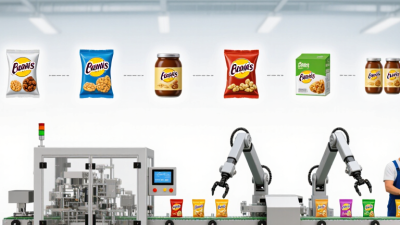
Choosing a packing machine starts with the product, not the machine’s appearance. Granules, powders, liquids, and fragile items behave differently during filling. Vertical form-fill-seal machines suit snacks, grains, and free-flowing products. They save floor space and create bags from roll film.
Auger fillers work better for flour, spices, and other powders. Their screw settings help control volume, but dusty products still need careful sealing.
Horizontal form-fill-seal machines are useful for bars, soap, and boxed items. They wrap products neatly and support attractive retail packaging. Premade pouch machines offer flexible shapes and faster product changes. They fit sauces, pet food, and small household goods.
Liquid fillers need different systems. Pumps or piston fillers can handle thin liquids, while thicker products require stronger feeding control.
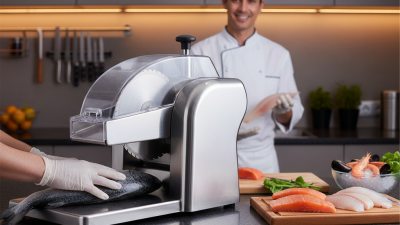
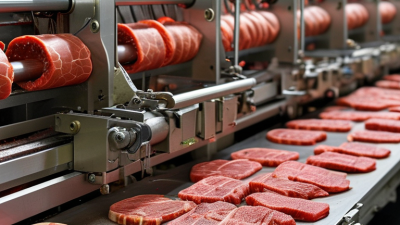
Vacuum packing machines suit meat, cheese, and products needing longer freshness.
During production trials, I check weight accuracy, seal strength, film movement, and cleaning time.
A machine may run quickly but create costly waste during changeovers. Operators also need clear controls and safe access to loading areas. Test the actual product before making a purchase.
Powder can leak. Oil can weaken seals. Small pieces may block a narrow chute. I have seen promising specifications fail in real trials, so allow time for adjustments, maintenance checks, and operator feedback.
Choosing a packing machine starts with measurable production needs, not catalogue promises. Record hourly demand, product dimensions, filling tolerance, and changeover frequency. A machine rated at 120 packs per minute may slow sharply with fragile products or frequent format changes. In its 2024 Packaging Machinery Shipments Study, PMMI reported continued investment in automated packaging equipment, reflecting pressure to improve output and labor efficiency.
Accuracy protects both margins and customer trust. Check the machine’s dosing method, sensor resolution, sealing control, and reject system. The International Society of Automation notes that process variation directly affects waste and quality consistency. Ask for documented test results using your actual materials. A factory trial is worth more than a polished specification sheet. Small errors multiply quickly.
Automation should fit your workforce and maintenance skills. Useful features include recipe storage, automatic film tracking, fault diagnostics, and data logging. However, more automation can create longer downtime when technicians lack training. Compatibility matters just as much. Confirm electrical requirements, conveyor height, film width, packaging material, upstream fillers, and downstream case equipment. PMMI’s 2023 State of the Industry research identified integration and labor challenges as important packaging investment considerations. I would also allow space for future products, although this forecast can be wrong. A machine that runs today’s product perfectly may restrict tomorrow’s packaging formats.
| Machine Type | Typical Application | Typical Speed Range | Filling or Counting Accuracy | Automation Level | Compatible Products and Pack Formats | Key Compatibility Requirements | Best Fit for Business Needs |
|---|---|---|---|---|---|---|---|
| Manual or Semi-Automatic Weigh Filler | Small-batch filling of powders, granules, snacks, pet food, and dry ingredients | Approximately 5–20 fills per minute, depending on the operator and product | Typically about ±0.5% to ±2%; product flowability and operator consistency have a major effect | Basic to Medium | Premade bags, pouches, jars, buckets, and other open containers | Check product density, particle size, moisture level, target weight, and container opening | Start-ups, seasonal production, frequent product changes, and limited production volumes |
| Vertical Form-Fill-Seal Machine | Continuous packaging of snacks, grains, powders, frozen foods, and free-flowing products | Approximately 20–100 bags per minute; actual speed depends on bag size, film, and filling system | Usually about ±0.5% to ±1.5% with a suitable multihead or linear weigher | High | Rollstock film converted into pillow bags, gusseted bags, and some block-bottom formats | Film width, film thickness, sealing-layer compatibility, product flow, and bag dimensions must match | Businesses seeking efficient production with flexible bag sizes and reduced manual labor |
| Premade Pouch Packing Machine | Filling and sealing of stand-up pouches, flat pouches, zipper bags, and spouted pouches | Approximately 15–70 pouches per minute, depending on pouch style and process steps | Typically about ±0.5% to ±1.5% when paired with an appropriate dosing system | High | Premade laminated pouches with or without zippers, gussets, or spouts | Confirm pouch dimensions, material stiffness, zipper position, spout location, and opening quality | Premium products, multiple pouch styles, and operations requiring attractive retail packaging |
| Auger Filler | Accurate dosing of flour, spices, milk powder, coffee, chemicals, and other powders | Approximately 10–80 fills per minute, depending on auger size, dose volume, and powder behavior | Commonly about ±0.5% to ±1%; cohesive or aerated powders may require product-specific testing | High | Bags, pouches, cans, bottles, jars, and other rigid or flexible containers | Powder bulk density, particle size, dust level, target dose, and container geometry are critical | Powder-focused production where repeatable dosing and dust control are priorities |
| Volumetric Cup Filler | High-speed filling of free-flowing granules such as rice, seeds, beans, sugar, and pellets | Approximately 20–100 fills per minute, depending on the number of cups and product characteristics | Often about ±1% to ±3%; weight variation can increase when bulk density changes | High | Small bags, pouches, cartons, tubs, and containers with consistent openings | Product particle size, flowability, bulk density, cup volume, and container presentation must be compatible | High-volume products with relatively stable density and a cost-sensitive filling process |
| Multihead Weigher | Combination weighing for snacks, confectionery, fresh produce, hardware, and mixed-piece products | Approximately 30–120 weighments per minute, depending on the number of heads and product handling | Often about ±0.1% to ±0.5% of target weight under stable operating conditions | High | Pillow bags, gusseted bags, trays, cans, jars, and premade pouches | Product fragility, size distribution, coating, stickiness, target weight, and discharge height must be assessed | High-speed operations where giveaway reduction and accurate combination weighing are important |
| Liquid or Paste Filler | Filling of sauces, oils, beverages, creams, detergents, gels, and other pumpable products | Approximately 10–100 containers per minute, depending on filling volume, viscosity, and number of nozzles | Typically about ±0.5% to ±1%; viscosity, temperature, and foaming influence performance | High | Bottles, jars, tubes, pouches, cups, and other liquid-compatible containers | Viscosity, foaming, particulates, temperature, sanitary design, nozzle type, and pump selection are essential | Liquid and semi-liquid products requiring repeatable fill volume and controlled product handling |
| Cartoning Machine | Automatic insertion of products, bottles, pouches, or blister packs into cartons | Approximately 30–200 cartons per minute, depending on carton style and loading complexity | Product count accuracy is generally high when sensors and controlled feeding systems are correctly set | High | Pre-glued or flat cartons, tuck-end cartons, and products supplied by an upstream machine | Carton dimensions, board thickness, product orientation, leaflet integration, and upstream timing must match | Secondary packaging lines requiring consistent presentation and reduced manual carton loading |
| Case Packer | Grouping and packing cartons, pouches, bottles, or cans into shipping cases | Approximately 5–30 cases per minute, depending on case size, pack pattern, and sealing method | Count and placement accuracy are generally high with suitable sensors and product guides | Medium to High | Regular slotted cases, trays, wraparound cases, cartons, cans, bottles, and multipacks | Case dimensions, product stability, pack pattern, conveyor layout, and case-closing method must be compatible | Medium- to high-volume shipping operations seeking improved end-of-line consistency |
| Checkweigher and Metal Detector | Inline weight verification and foreign-metal detection after filling or sealing | Approximately 30–200 products per minute, depending on product size and inspection requirements | Checkweighing detects weight deviations; metal-detection sensitivity depends on product effect and aperture size | High | Sealed bags, cartons, bottles, trays, cans, and other conveyor-ready packages | Conveyor speed, package dimensions, product conductivity, inspection standard, and reject-system layout matter | Quality control, regulatory compliance, reduction of underweight packs, and protection against metal contamination |
Note: Speed and accuracy figures are typical planning ranges rather than guaranteed output. Final performance should be confirmed through product trials using the intended package material, target weight, pack size, and production conditions.
Choosing a packing machine starts with operating cost, not the purchase price. Energy, labor, changeover time, and rejected packs can quickly alter the business case. The U.S. Department of Energy reports that compressed-air systems may consume 10% to 30% of industrial electricity. Ask whether the machine needs constant air pressure, heating, or oversized motors. Those details matter.
Maintenance deserves equal attention. McKinsey estimates that predictive maintenance can reduce machine downtime by 30% to 50%, although actual results vary by process and data quality. Request service intervals, spare-part prices, diagnostic access, and technician response times. A machine that needs specialist support may become expensive in a small facility. Keep it practical. Can your team safely clean sensors and replace belts during a normal shift?
Workspace is often underestimated. Measure floor area, ceiling height, access doors, utilities, and operator movement before accepting a layout. PMMI’s 2024 State of the Industry reporting continues to identify labor and equipment integration as major packaging investment concerns. Leave room for maintenance, not just production. I have seen efficient layouts fail because an electrical cabinet blocked a service panel. A digital layout helps, but it is not perfect. Mark the real footprint with tape and walk around it. That simple test may reveal more than a polished quotation.
Compare representative planning values for mid-volume packaging operations. Lower annual operating costs, fewer maintenance hours, and smaller workspace requirements can improve the total cost of ownership.
Values are representative industry planning estimates for equipment selection and should be confirmed with supplier quotations, product specifications, and site measurements.
A suitable packing machine must meet relevant safety standards for your market and product. Ask for test reports, compliance documents, and clear operating instructions. Check emergency stops, guards, electrical protection, and cleaning access. These details matter during a busy shift. They also reduce avoidable injuries and downtime. Do not accept vague promises. Request evidence.
Tips: Visit the supplier’s facility, if possible. Watch a similar machine running with your packaging material. Test sealing quality, filling accuracy, noise levels, and changeover time. A short demonstration can reveal problems that brochures hide. Ask operators about training, maintenance, and cleaning routines. Their practical comments may be more useful than polished sales language.
Supplier support should continue after installation. Confirm response times, spare-part availability, remote troubleshooting, and technician coverage. Ask whether training includes fault diagnosis, not only basic operation. Put these commitments in writing. One weak point is often overlooked: support during weekends or production peaks. A machine can be excellent, yet difficult to use without reliable assistance.
Think beyond today’s output. Choose equipment with adjustable formats, modular functions, and enough space for future upgrades. Review expected product changes, package sizes, and production volumes. Avoid buying excessive capacity without a clear plan. It increases cost and may complicate maintenance. My own judgment would not be perfect here; forecasts change. Recheck assumptions with production data before signing. A scalable machine should grow with the business, not force a complete replacement.