
Top 10 Types of Auto Packing Machines for Buyers
Packaging lines are built around products, not impressive machine names. A fragile snack, a glass bottle, and a heavy carton each need different handling. Grand View Research’s Packaging Machinery Market report estimated the global market at USD 45.5 billion in 2023, with a projected 5.8% compound annual growth rate from 2024 to 2030. This estimate signals continued investment, but it does not tell buyers which format suits their factory. A market forecast is not a purchasing specification. Small details matter.
This guide examines ten common types of auto packing machine, from vertical form-fill-seal systems and flow wrappers to cartoners, case packers, and palletizers. Each type handles a different stage, product shape, or packaging material. The practical choice depends on throughput, changeover frequency, available floor space, and how products arrive at the line. Ask for a test using your actual product. A machine that runs smoothly with sample materials may behave differently with real packaging, operators, and shifts. That distinction is easy to underestimate. Compare quoted speeds with expected output, and check what happens during jams, cleaning, and format changes. Automation can reduce repetitive handling, but it also adds controls, maintenance needs, and integration work. No machine is best for every buyer. The following overview offers a starting point, not a substitute for a site assessment or a verified trial.
What Automatic Packing Machines Do in a Production Line
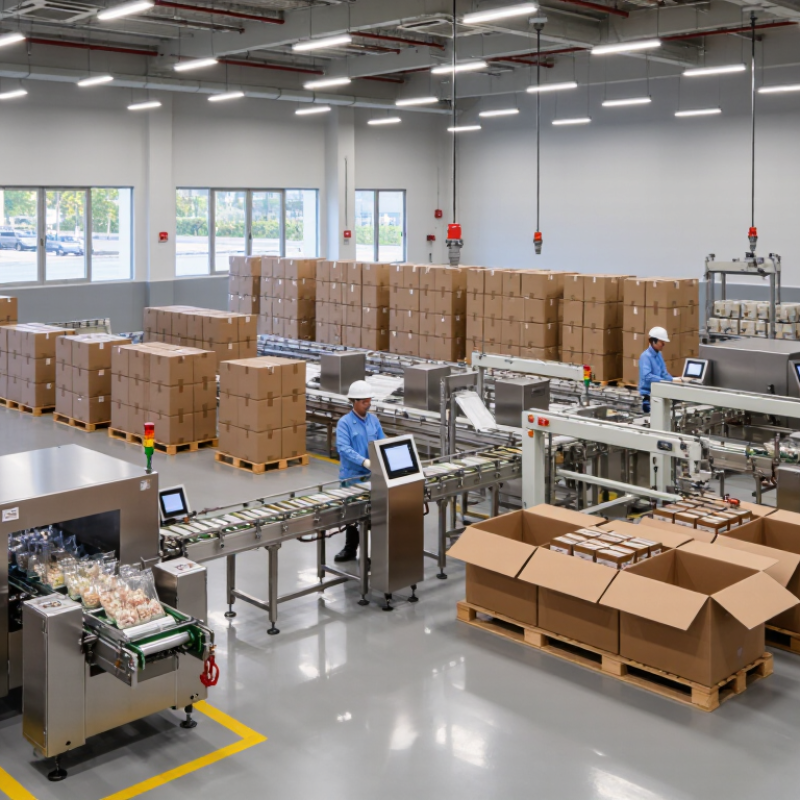
On a production line, an automatic packing machine turns prepared products into sealed, labeled packs ready for handling. Depending on the setup, it may form a pouch, fill a measured portion, seal the opening, and print a date code. Sensors help detect missing products or misaligned film. Conveyors then move finished packs toward inspection or case packing. Small details matter. A crooked seal can lead to leaks or product waste.
Tips: Match the machine to the product, package material, and required output. Test with real product and packaging before purchase. Ask how long a film roll lasts, how changeovers work, and which checks operators must perform. Fast settings are not always reliable settings.
In daily use, operators still load materials, clear jams, and respond to alarms. A machine’s stated speed may not reflect actual line output, especially when upstream feeding is uneven. Track rejected packs and stoppages during a trial run. One overlooked issue is cleaning access; narrow gaps can make routine maintenance slower than expected. Production teams should check seal quality and fill consistency after changing settings, not just at startup.
Top 10 Types of Auto Packing Machines for Buyers — What Automatic Packing Machines Do in a Production Line
| Machine Type | What It Does | Typical Products | Common Package Format | Typical Line Position | Key Buyer Consideration |
|---|---|---|---|---|---|
| Automatic Filling Machine | Measures and dispenses a set quantity of product into containers. | Liquids, creams, powders, granules, and pastes | Bottles, jars, cans, pouches, or bags | Filling stage, after containers are supplied and before closing | Match the filling method and product-contact materials to the product’s viscosity, particle size, and hygiene requirements. |
| Automatic Capping Machine | Places and tightens closures on filled containers. | Beverages, sauces, personal-care products, and household liquids | Screw caps, snap-on caps, and some specialty closures | After filling and before labeling | Check compatibility with cap dimensions, container shape, closure torque, and the required sealing method. |
| Automatic Labeling Machine | Applies product labels to containers or packages, with options for one or more label positions. | Food, beverages, cosmetics, chemicals, and pharmaceuticals | Bottles, jars, cans, cartons, and flat packages | Usually after filling and closing, before coding or case packing | Consider package shape, label material, placement accuracy, changeover needs, and any required inspection system. |
| Form-Fill-Seal (FFS) Machine | Forms a package from rollstock film, fills it with product, and seals it in an integrated process. | Snacks, powders, granules, liquids, and some medical products | Pillow bags, sachets, stick packs, or thermoformed packs, depending on the machine | Packaging stage; may combine package formation, filling, and sealing | Confirm the required pack style, film specifications, product dosing method, and sealing requirements. |
| Pre-Made Pouch Filling and Sealing Machine | Opens pre-made pouches, fills them, and seals the pouch opening. | Snacks, pet food, powders, sauces, and granules | Stand-up, flat, zipper, or spouted pouches, subject to machine configuration | Packaging stage after product preparation and before case packing | Verify pouch dimensions, closure features, fill weight range, and whether the pouch material can be handled reliably. |
| Cartoning Machine | Erects or loads cartons, inserts products, and closes the cartons. | Bottles, tubes, blister packs, food products, and consumer goods | Folding cartons | Secondary packaging, after individual products are filled or wrapped | Assess carton size range, product orientation, leaflet or insert handling, and the required closure style. |
| Case Packer | Groups products and loads them into shipping cases or trays; some configurations also erect and close cases. | Bottles, cans, cartons, pouches, and multipacks | Corrugated cases or trays | End-of-line secondary packaging | Check product grouping pattern, case dimensions, loading method, and integration with upstream conveyors. |
| Case Erector | Forms flat corrugated blanks into open cases and prepares them for loading. | Products requiring shipment in corrugated cases | Slotted corrugated cases and other compatible case styles | At the start of the case-packing section | Confirm case style and blank dimensions, magazine capacity, and the method used to secure the case bottom. |
| Case Sealer | Closes and seals filled cases, commonly using tape or hot-melt adhesive. | Cases containing food, beverages, household goods, or industrial products | Corrugated shipping cases | After case loading and before palletizing | Choose a sealing method and machine range that suit case dimensions, board condition, and production speed. |
| Palletizing Machine | Arranges cases or other unit loads in a planned pattern on a pallet for storage or transport. | Cases, bags, trays, and bundled products | Stacked pallet loads, with optional layer sheets or stretch wrapping | At the end of the packaging line | Evaluate pallet and load dimensions, stacking pattern, payload, available floor space, and downstream handling equipment. |
Related Posts
-
How to Choose the Right Automatic Packaging Machine?
-
What Is the Best Automatic Packaging Machine in 2026?
-

How to Choose the Right Packing Machine for Your Business?
-
How to Choose China Best Meat Processing Machine?
-
How to Choose the Best Chips Machine for Your Snack Business?
-
10 Tips for Choosing the Right Dicing Machine