How to Choose the Right Automatic Packaging Machine?

Choosing the right automatic packaging machine begins with the product, not the machine catalog. A fragile snack, liquid cleaner, powdered ingredient, or irregularly shaped component will demand different feeding, sealing, and inspection systems. The package itself matters too. Film, pouch, carton, bottle, and tray formats each create different technical requirements.

Packaging professional Sean Riley offers a useful principle: “Automation should solve a process problem, not create a technology problem.” That idea deserves attention. A high-speed machine may look impressive, yet it can waste materials, increase changeover time, or overwhelm operators. The better choice matches actual production needs, including target speed, product dimensions, package accuracy, floor space, and future capacity.

Look closely at the details. Can operators clean product-contact areas without complicated tools? Does the machine support quick format changes? Can it connect with weighing, labeling, coding, vision inspection, or case-packing equipment? A reliable supplier should provide testing, training, spare-parts support, and clear performance data. Ask for a product trial using your real materials.

No spreadsheet can replace that trial. Sometimes, the cheapest option becomes expensive after repeated stoppages. Sometimes, a sophisticated automatic packaging machine is simply too complex for a small production team. That is an easy mistake to make. This guide examines the practical questions behind machine selection, helping buyers compare performance, hygiene, flexibility, total ownership cost, and long-term service support before signing an order.
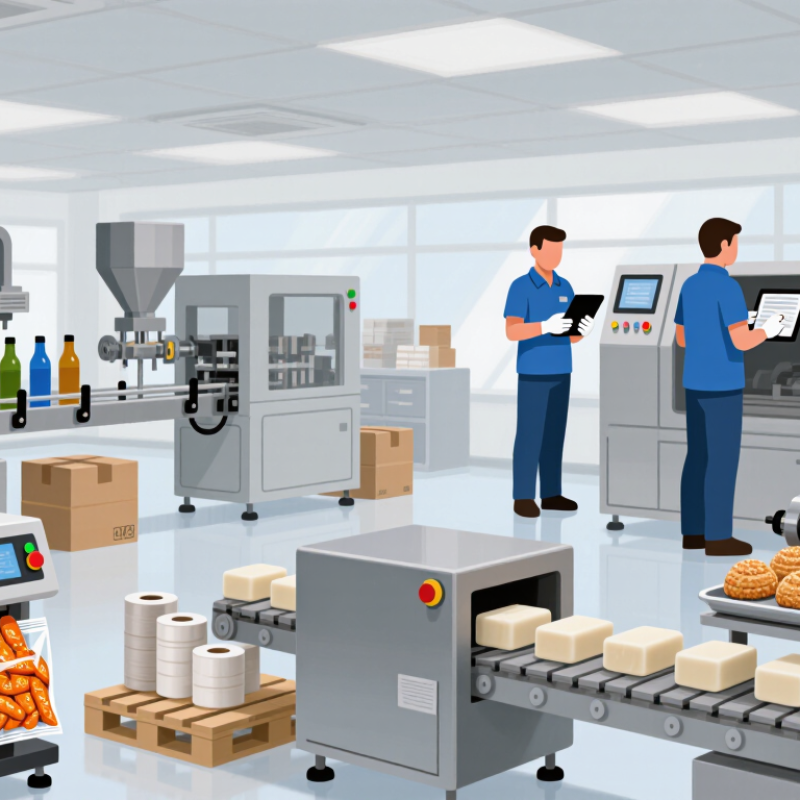
How to Choose the Right Automatic Packaging Machine?

Define Your Product, Packaging Format, and Production Requirements

How to Choose the Right Automatic Packaging Machine?

Define Your Product, Packaging Format, and Production Requirements

Start with the product itself. Is it a fine powder, a sticky sauce, a fragile snack, or a rigid part? Each behaves differently during filling. Powders may need dust control and accurate dosing, while delicate items can break in a fast-moving hopper. Note the product’s weight, dimensions, flow behavior, and sensitivity to moisture or air. A small sample run can reveal issues that a specification sheet may miss.

Then define the package. Choose the material, shape, size, and closure before comparing machine types. A stand-up pouch, bottle, and carton each require different handling and sealing steps. Check whether the package must include a label, date code, or tamper-evident seal. Be specific. “A medium bag” is not enough information for reliable equipment selection.

Production targets matter, too. Estimate units per minute, daily operating hours, and the number of planned shifts. Include time for changeovers, cleaning, and routine maintenance; quoted speeds may not reflect real output. Ask how quickly operators can adjust the machine when package sizes change. Measure the available floor space, including room for operators and material loading. These details are easy to overlook, and early estimates may need revision. That is normal. Choose equipment that fits today’s product and leaves practical room for expected changes.

Identify the Automatic Packaging Machine Type for Your Process

How to Choose the Right Automatic Packaging Machine?

Identify the Automatic Packaging Machine Type for Your Process

Start by defining the product before comparing machine specifications. Powder, liquid, granules, and irregular items need different feeding systems. Flexible film may require a vertical form-fill-seal machine. Pre-made pouches may suit a pouch filling and sealing machine. Cartons, trays, and bottles demand other handling methods. The product’s shape matters more than many buyers expect.

Measure your required output, package size, sealing style, and material carefully. Record the smallest and largest package dimensions. Check whether the product creates dust, foam, static, or moisture. These details affect dosing accuracy and machine cleanliness. A line running 30 packs per minute may be unsuitable for sudden production peaks. Leave practical room for changeovers and maintenance.

Ask operators to test real products, not sample substitutes. During trials, inspect seal strength, fill accuracy, waste, and rejected packs. Watch the machine during startup and cleaning. A system can perform well for one hour and struggle after several shifts. That weakness deserves attention. Also review controls, safety features, spare parts, and technical support. An attractive machine may still be the wrong choice if staff cannot adjust it confidently. Document every test result, even the disappointing ones. Fresh assumptions often hide expensive problems.

Check Compatibility With Packaging Materials and Product Characteristics

Choosing the right automatic packaging machine starts with the packaging material, not the machine’s advertised speed. Different films require different sealing temperatures, pressures, and dwell times. A thin laminated film may wrinkle under excessive heat. Recycled or multilayer materials can also vary between production batches. Check film thickness, stiffness, coefficient of friction, and sealability with the machine supplier.

Product characteristics are equally important. Powdered products may create dust around filling heads and sealing areas. Granules need accurate dosing without excessive breakage. Sticky products often require anti-drip controls and easy-clean contact parts. Fragile items need gentle conveying and controlled drop heights. Consider moisture, oil content, density, shape, temperature, and flow behavior. Small differences can change filling accuracy.

Always request a material and product trial before purchase. Use your actual film and product, not only a sample supplied for demonstration. Measure seal strength, package weight, leakage, speed, and changeover time. I have seen machines perform well with dry test samples but struggle with humid products during a full shift. That experience is easy to overlook. It should not be. Ask for documented test conditions, maintenance requirements, compatible contact materials, and operator training. A practical decision also includes cleaning access and spare-part availability. The fastest machine is not the best choice if it damages products or rejects too many packages.

How to Choose the Right Automatic Packaging Machine?

Check compatibility with packaging materials and product characteristics.

Indicative screening scores from 1 (limited fit) to 5 (strong fit). Actual suitability depends on the machine configuration, film structure, product behavior, and line requirements. Confirm material specifications and run product trials before selecting equipment.

Compare Machine Speed, Accuracy, Controls, and Available Space

How to Choose the Right Automatic Packaging Machine?

Compare Machine Speed, Accuracy, Controls, and Available Space

A machine’s advertised speed matters only when it matches your actual product mix. Compare its rated packages per minute with a timed run using your own containers, materials, and operators. Include pauses for replenishment, jams, and changeovers. Small delays add up.

The International Federation of Robotics reported 541,302 industrial robots installed worldwide in 2023, showing how widely manufacturers are adopting automation (World Robotics 2024). That figure is not packaging-specific, but it signals the broader shift toward automated production.

Accuracy deserves equal attention. Check fill-weight variation, seal consistency, and reject rates across several production runs—not just a short demonstration. Ask how quickly operators can adjust settings, clear faults, and switch recipes. Clear controls reduce guesswork. Yet touchscreens alone do not guarantee easy operation; test them while wearing the gloves your team uses. Finally, measure the full installation area, including service access, infeed and discharge conveyors, and space for material rolls. A compact footprint can still create a cramped workflow. I have seen layouts look sensible on paper and awkward beside a real production line. Leave room for maintenance, and verify electrical and air connections before ordering.

Evaluate Safety, Maintenance, Total Cost, and Supplier Support

How to Choose the Right Automatic Packaging Machine?

Evaluate safety, maintenance, total cost, and supplier support before comparing cycle speeds. Watch the machine handle real products: a jam near a sealing jaw, awkward film changes, or hard-to-reach guards can expose practical risks. The U.S. Bureau of Labor Statistics reported a 2.8 cases-per-100-full-time-worker rate for nonfatal workplace injuries and illnesses in manufacturing in 2023. That figure is not specific to packaging equipment, but it underlines why safe access, clear stop controls, and operator training deserve attention. Ask for a hands-on demonstration, not just a polished video.

Maintenance shapes output over years. Deloitte’s 2017 analysis of predictive maintenance estimated potential downtime reductions of 5–15% and labor-productivity gains of 5–20%; these are estimates, not promises for every packaging line. Request a written service schedule, spare-parts lead times, and examples of common wear items. Then calculate total cost: purchase price, installation, utilities, changeover labor, consumables, service, and lost production during stoppages. A cheaper machine can cost more when a small sensor failure waits days for a replacement. Supplier support matters. Check response hours, remote diagnostics, training, and who handles commissioning. One detail buyers sometimes overlook: test support procedures with your own team before signing. The paperwork may look complete, yet a night-shift operator still needs a usable answer at 2 a.m.